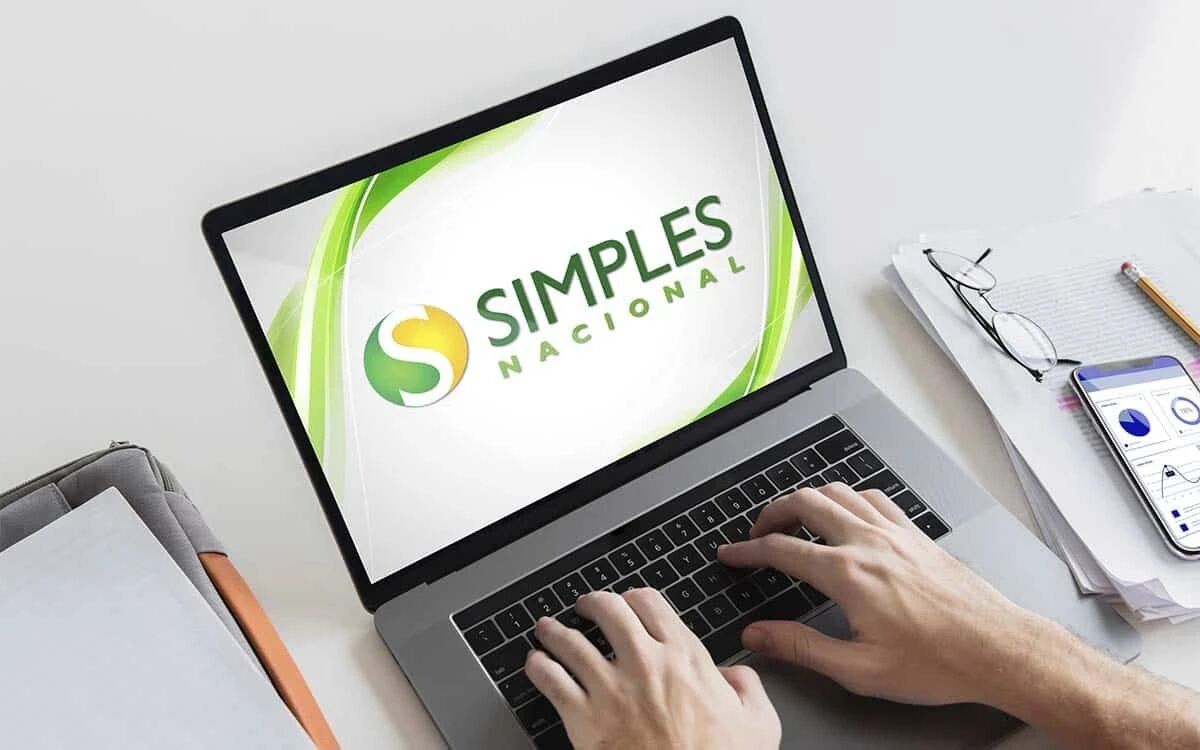
Starting September 1, 2026, micro and small enterprises enrolled in Brazil’s Simples Nacional (National Simplified Tax Regime) will be required to issue electronic service invoices (NFS-e) through a unified national platform, replacing the separate invoice systems previously maintained by individual municipal governments. From that date onward, businesses may only use the National NFS-e Issuing System (Emissor Nacional da NFS-e) for issuing service-related invoices.
The new regulation has been officially approved by Brazil’s National Committee for the Management of the Simplified Tax Regime (CGSN). Its core objectives are to standardize nationwide service invoice criteria, reduce administrative costs for enterprises, and strengthen the integration and sharing of tax data across federal, state, and municipal levels.
At present, service invoice systems vary widely across Brazilian cities. Companies operating in multiple municipalities are often forced to use several different platforms simultaneously for invoicing. Once the new rule takes effect, all businesses under Simples Nacional, regardless of location, must adopt the single nationwide system.
The regulation applies to Microenterprises (ME), Small Businesses (EPP), as well as firms still in the approval process for joining the Simplified Tax Regime. Even companies with ongoing tax disputes or pending administrative procedures may be required to comply if they are eligible to join the regime in the future.
However, the new rule applies only to service-based activities. Transactions involving the sale of goods subject to the state VAT (ICMS) will continue using existing state or corporate invoicing systems and remain unaffected by this reform.
The Brazilian government is pushing this overhaul primarily to advance the digitalization and standardization of the national tax system. Fragmented local systems have long increased operational complexity for businesses and hindered efficient tax data sharing. The unified platform will enable companies to issue invoices centrally on one national portal, with tax information automatically synchronized to federal and local tax authorities, greatly improving overall regulatory efficiency.
The new system supports both web-based online invoicing and API integration, allowing direct connection with companies’ internal financial and management systems to enable automated data transmission.
According to the government, the reform particularly benefits businesses providing cross-municipal services, substantially cutting redundant workflows and system adaptation costs. Meanwhile, tax authorities will gain enhanced oversight over corporate activities and further refine the national tax data governance framework.
The standardization of the electronic service invoice regime is regarded as a major milestone in Brazil’s drive toward tax digitalization and nationwide fiscal standardization.







China——Brazil Trajectory Tracking



+86 532-85066033/34






 中文简体
中文简体 ENGLISH
