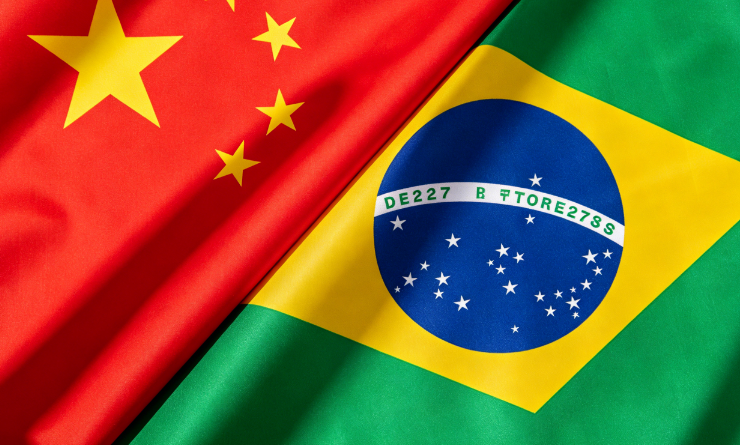
Bilateral trade between China and Brazil has continued to gain momentum since the start of this year. As the largest developing countries in the Eastern and Western Hemispheres respectively, their economic complementarity has become increasingly prominent amid a complex and volatile global trade landscape.
Statistics show that bilateral trade volume grew by more than 10% year-on-year in the first four months of the year. Brazil’s exports to China of bulk commodities such as soybeans, iron ore and crude oil maintained a steady upward trend, while China’s exports to Brazil of high value-added products including mechanical equipment, new energy vehicles and photovoltaic modules also registered rapid growth. This trans-Pacific trade corridor is evolving into a model of South-South cooperation.
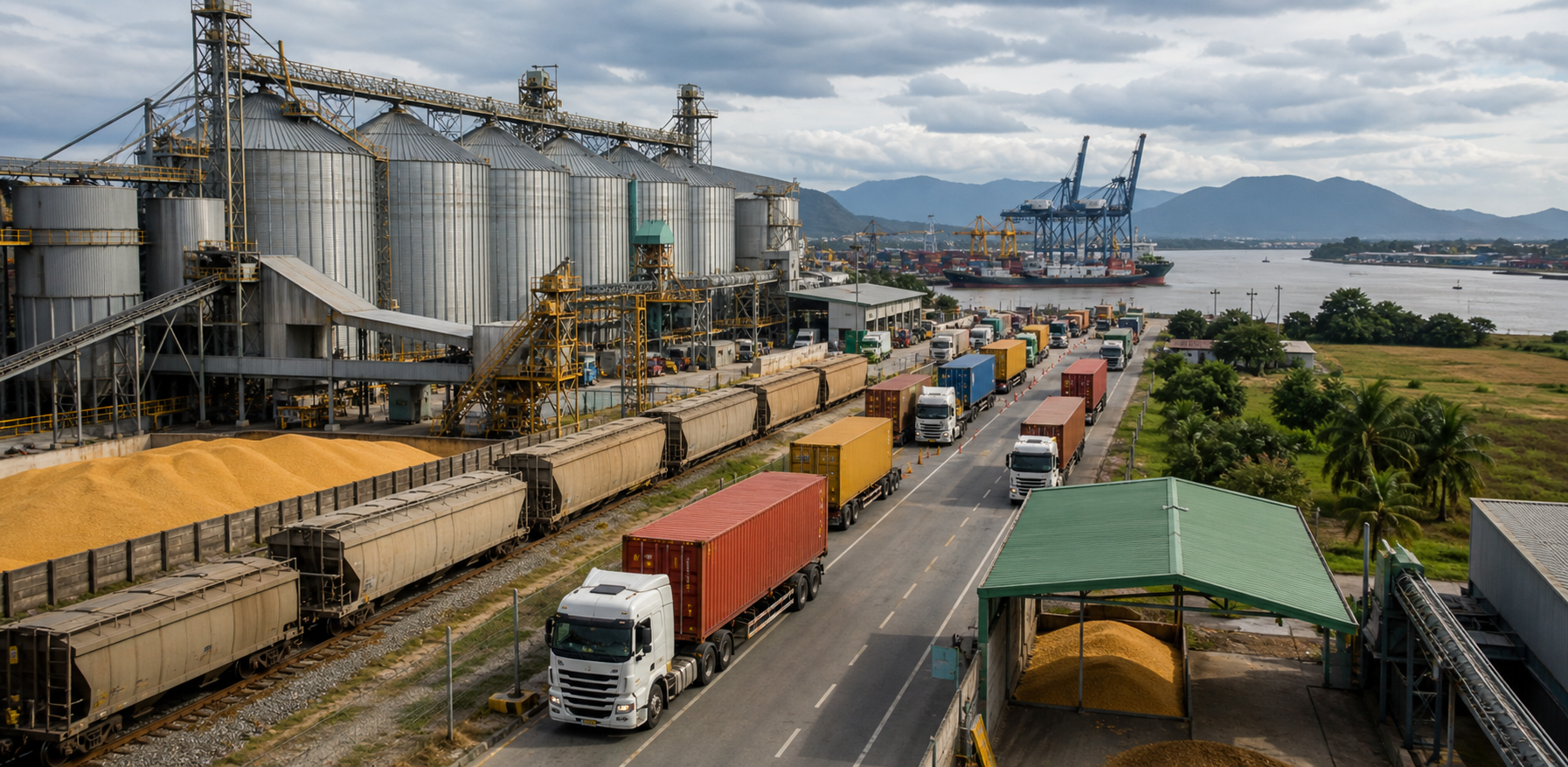
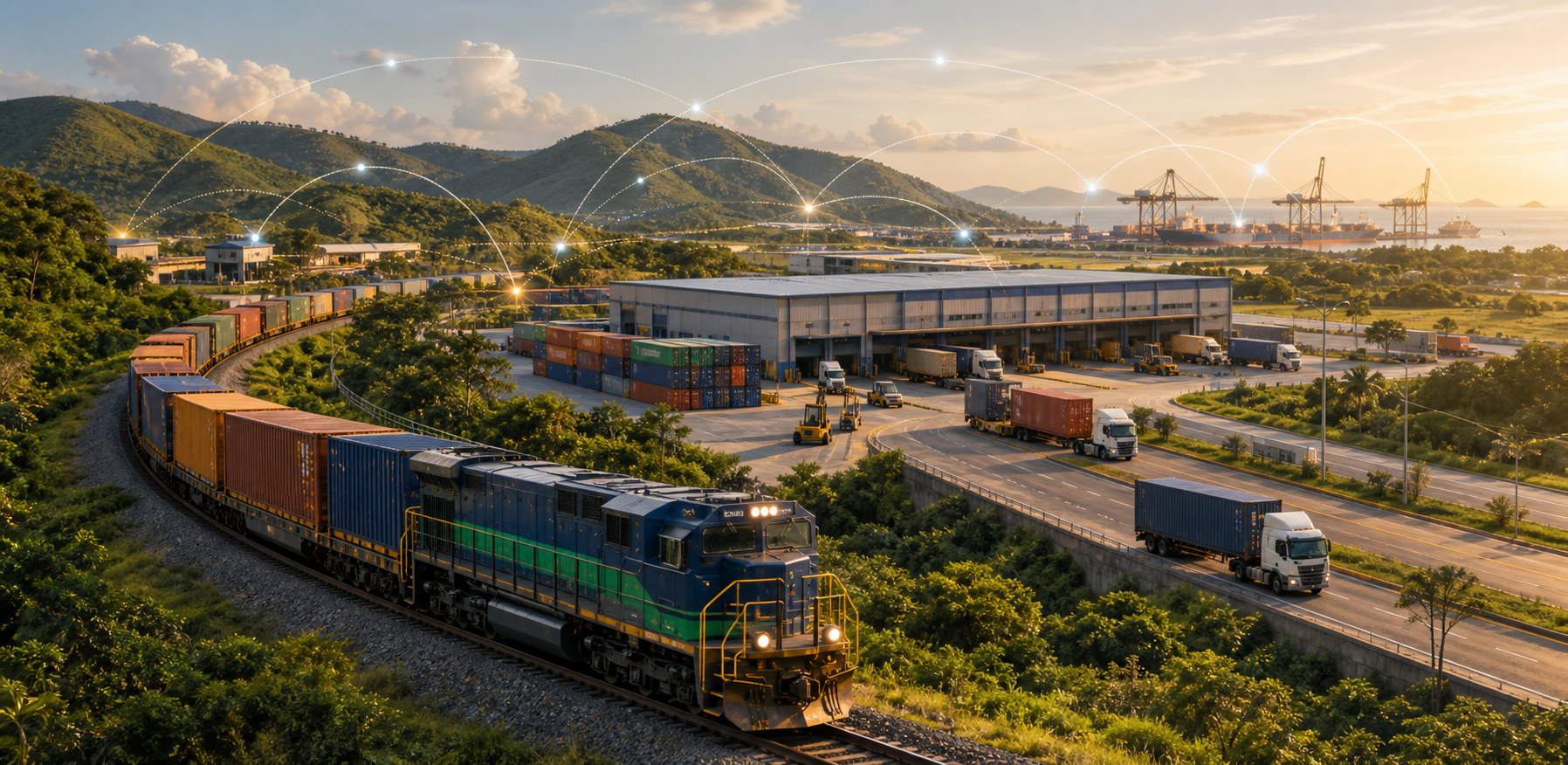
Logistics serves as a crucial pillar underpinning China–Brazil trade. The entire freight chain stretches across dozens of days, from Brazil’s inland producing regions to coastal ports, then via ocean shipping to China. Recently, with the gradual recovery of transit capacity at the Panama Canal and easing detour pressures in the Red Sea, capacity tightness on China–Brazil shipping routes has moderated. Nevertheless, vessel schedule instability and port congestion remain persistent challenges. Port congestion still occurs at Brazil’s Port of Santos during peak agricultural export seasons. Some Chinese importers hedge against risks by diversifying arrival ports and securing shipping space in advance. Meanwhile, enterprises from both countries are exploring more stable freight cooperation models, such as long-term freight agreements and charter shipments, to mitigate volatility in the spot market.
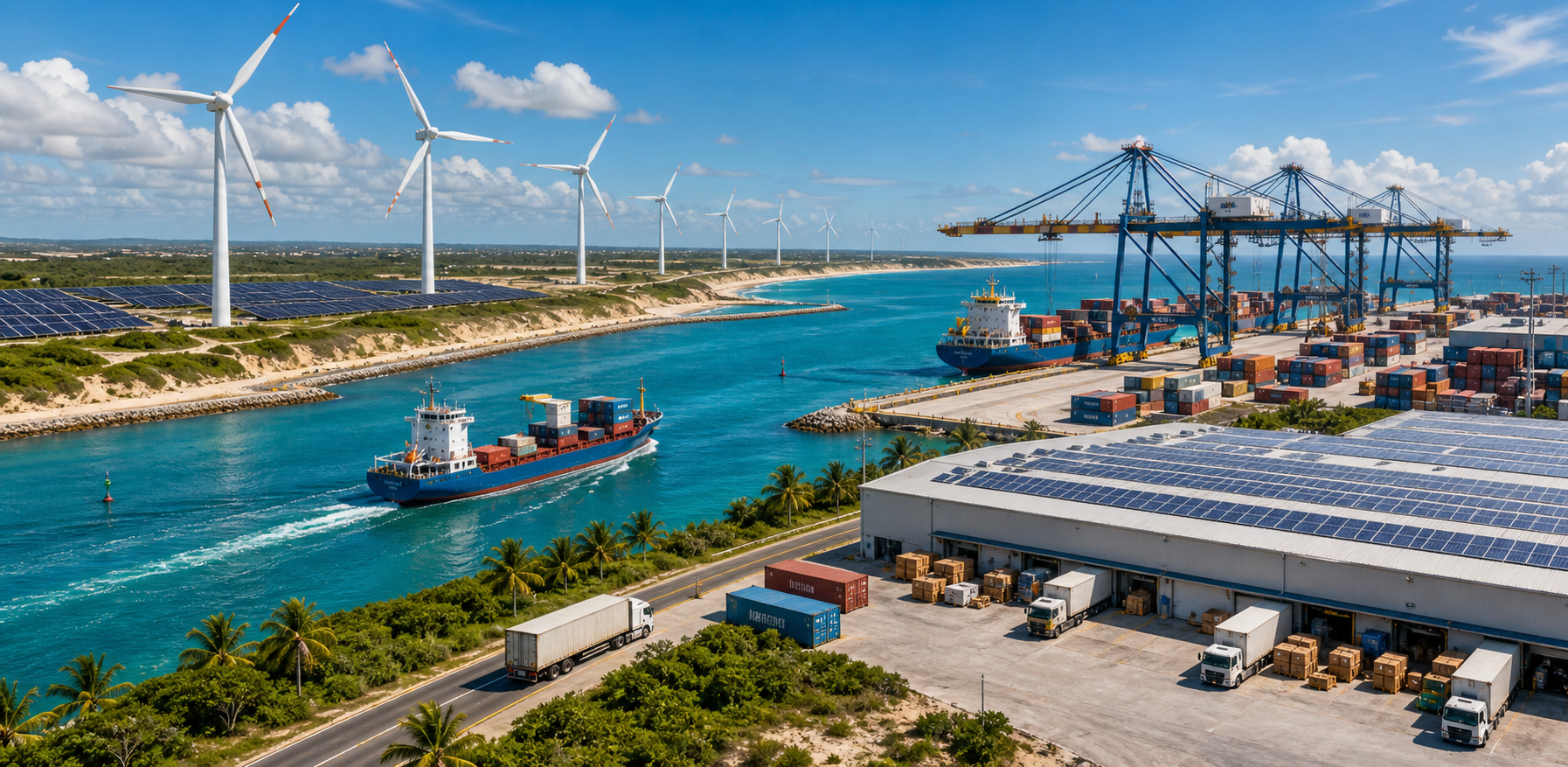
In terms of trade structure, Brazil is striving to raise the added value of its export products. Beyond traditional staples like soybeans and iron ore, Brazilian agricultural products including meat, fruits and coffee have seen rapid export growth to China. In particular, beef and chicken have secured a stable share in the Chinese market. For its part, China has scaled up investment in Brazil’s infrastructure and clean energy sectors. Wind farms and photovoltaic power stations being built in northeastern Brazil, for instance, have driven exports of relevant Chinese equipment and technologies. This integrated model of trade plus investment has injected new momentum into bilateral economic and trade cooperation.
Notably, China and Brazil are advancing local currency settlement to reduce reliance on third-party currencies. Several trade agreements this year have adopted direct settlement in RMB or Brazilian real, helping lower exchange rate risks and improve transaction efficiency. In addition, customs and inspection and quarantine authorities from both sides have strengthened information sharing and streamlined customs clearance procedures for agricultural products, enabling Brazilian meat and fruits to enter the Chinese market more efficiently.
Looking ahead, China–Brazil trade still boasts substantial growth potential. Brazil’s reindustrialization initiative requires large-scale imports of mechanical equipment and technologies — sectors where China holds clear competitive advantages. Meanwhile, Chinese consumer demand for high-quality agricultural products keeps rising, a gap that agricultural powerhouse Brazil is well-positioned to fill.
Admittedly, challenges cannot be overlooked. Global commodity price fluctuations, rising trade protectionism and high logistics costs may all disrupt bilateral trade flows. Overall, however, the two countries feature strong economic complementarity and a solid foundation for cooperation, and the long-term upward trend of bilateral trade remains intact. For enterprises engaged in China–Brazil trade, in-depth understanding of market regulations and standards on both sides, optimized supply chain management, and flexible risk response mechanisms will be key to seizing opportunities and navigating challenges.




China——Brazil Trajectory Tracking



+86 532-85066033/34






 中文简体
中文简体 ENGLISH
