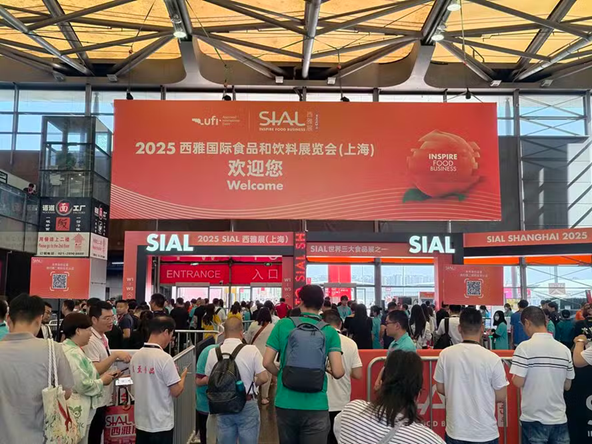
According to statistics from Brazil’s Ministry of Development, Industry, Trade and Services (MDIC), Brazil’s total agricultural exports reached 169.2 billion US dollars in 2025, a year-on-year increase of 2.9%, hitting an all-time high.
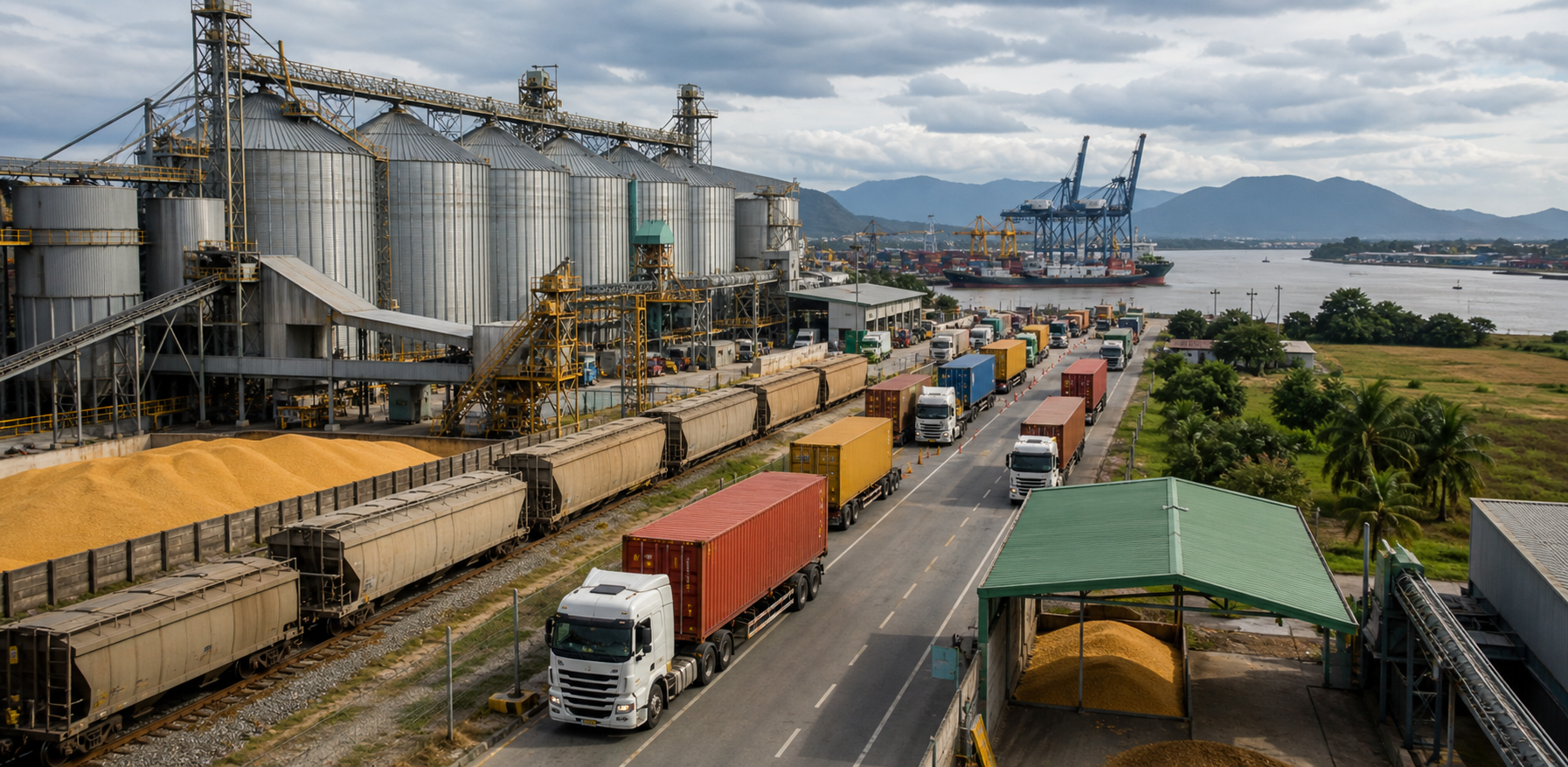
Among this total, China’s imports of Brazilian agricultural products rose 11.2% year-on-year, accounting for 32.7% of Brazil’s overall agricultural exports. Major commodities include soybeans, beef and pulp.
Victor Oliveira de Queiroz, Asia-Pacific Director at ApexBrasil (Brazilian Trade and Investment Promotion Agency), stated:
“The partnership between Brazilian agriculture and the Chinese market stands among the world’s most strategically significant cooperation ties. The two countries enjoy strong complementarity: Brazil is a reliable food supplier, while China represents the largest consumer market.”
Although bulk commodities still dominate trade flows, substantial potential remains to expand export categories and mature bilateral trade relations into new sectors such as fruits and aquatic products. As the bilateral agenda advances through 2026 and beyond, economic and trade ties between Brazil and China are expected to strengthen further.
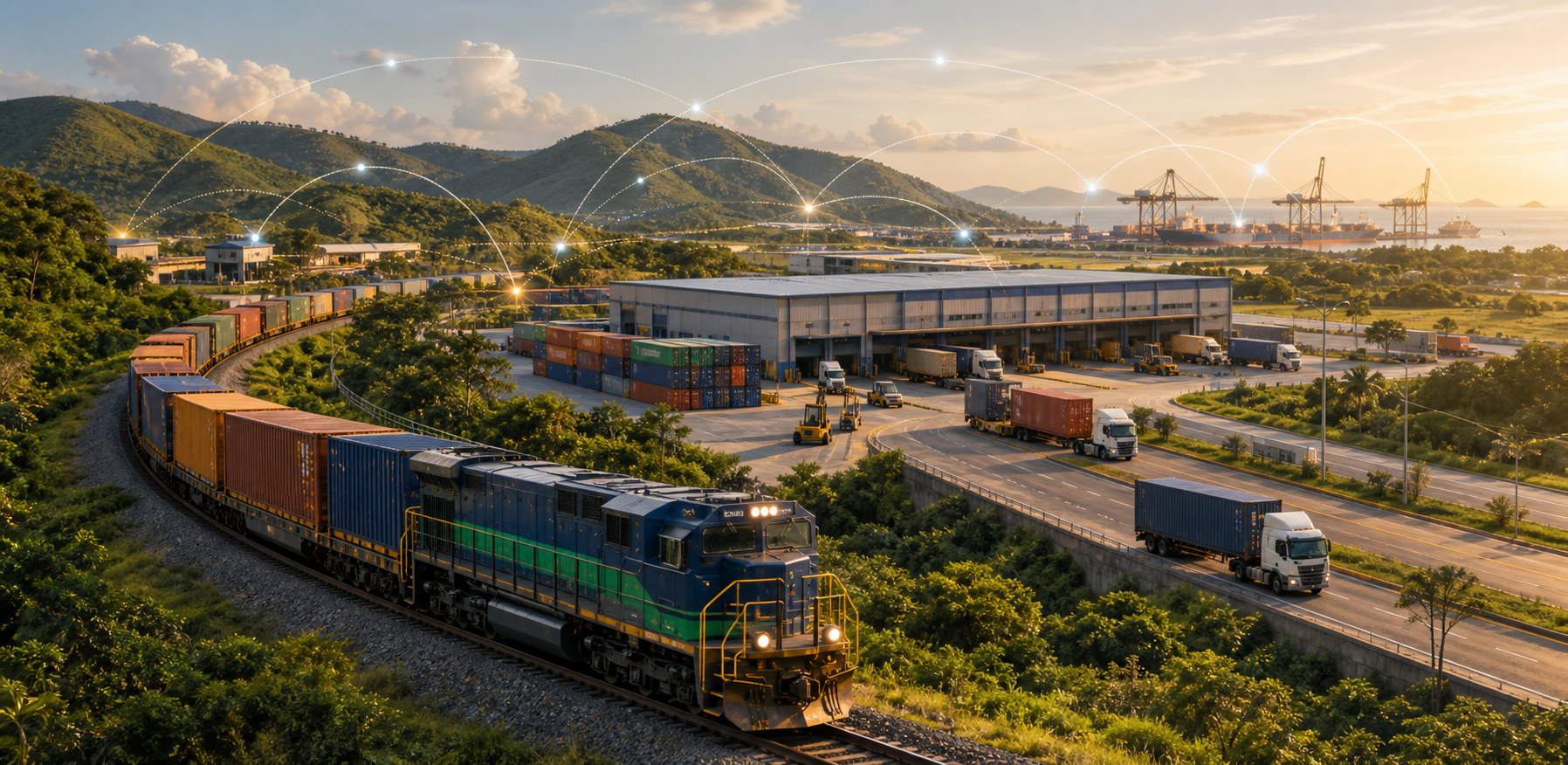
ApexBrasil data confirms that China remains Brazil’s top trading partner. In 2025, Brazil recorded a trade surplus of 29 billion US dollars with China, with exports climbing 5.9% year-on-year. Meanwhile, Chinese investment in Brazil continues to expand steadily. China has become Brazil’s largest source of investment from Asia and the world’s seventh-largest investor in the country.
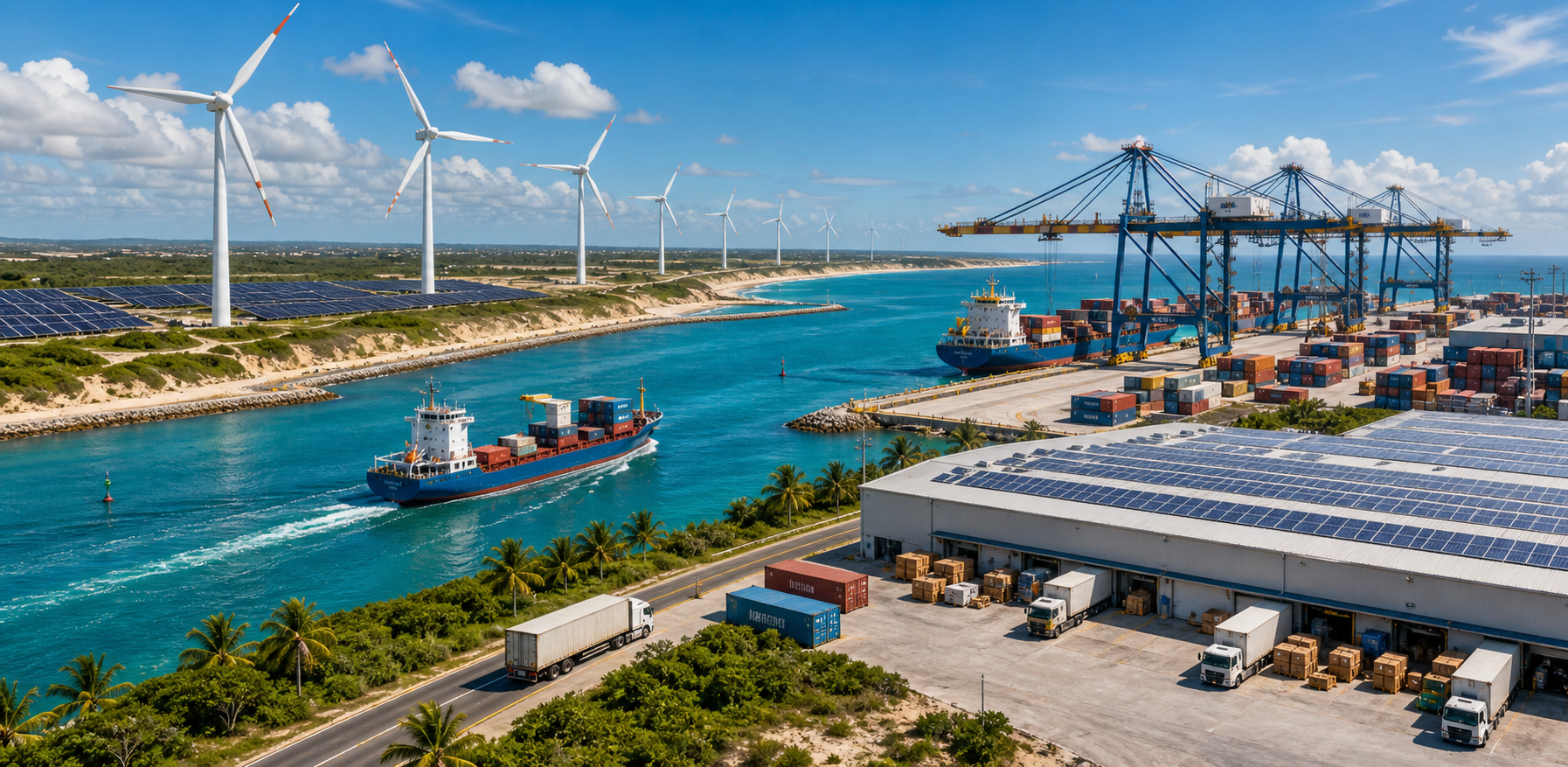
In 2023, China’s stock of foreign direct investment (FDI) in Brazil reached 53.6 billion US dollars. Around 27 billion Brazilian reals is projected to flow into Brazil’s renewable energy, technology, mining and infrastructure sectors in the coming years, underscoring Brazil’s position as China’s core investment destination in Latin America.
Against this backdrop, ApexBrasil is advancing the diversification of Brazil’s export structure. While current exports to China remain concentrated in soybeans, crude oil and iron ore, the agency has identified 385 products with growth potential and formulated strategies to raise the market share and influence of Brazilian manufactured goods in China.




China——Brazil Trajectory Tracking



+86 532-85066033/34






 中文简体
中文简体 ENGLISH
