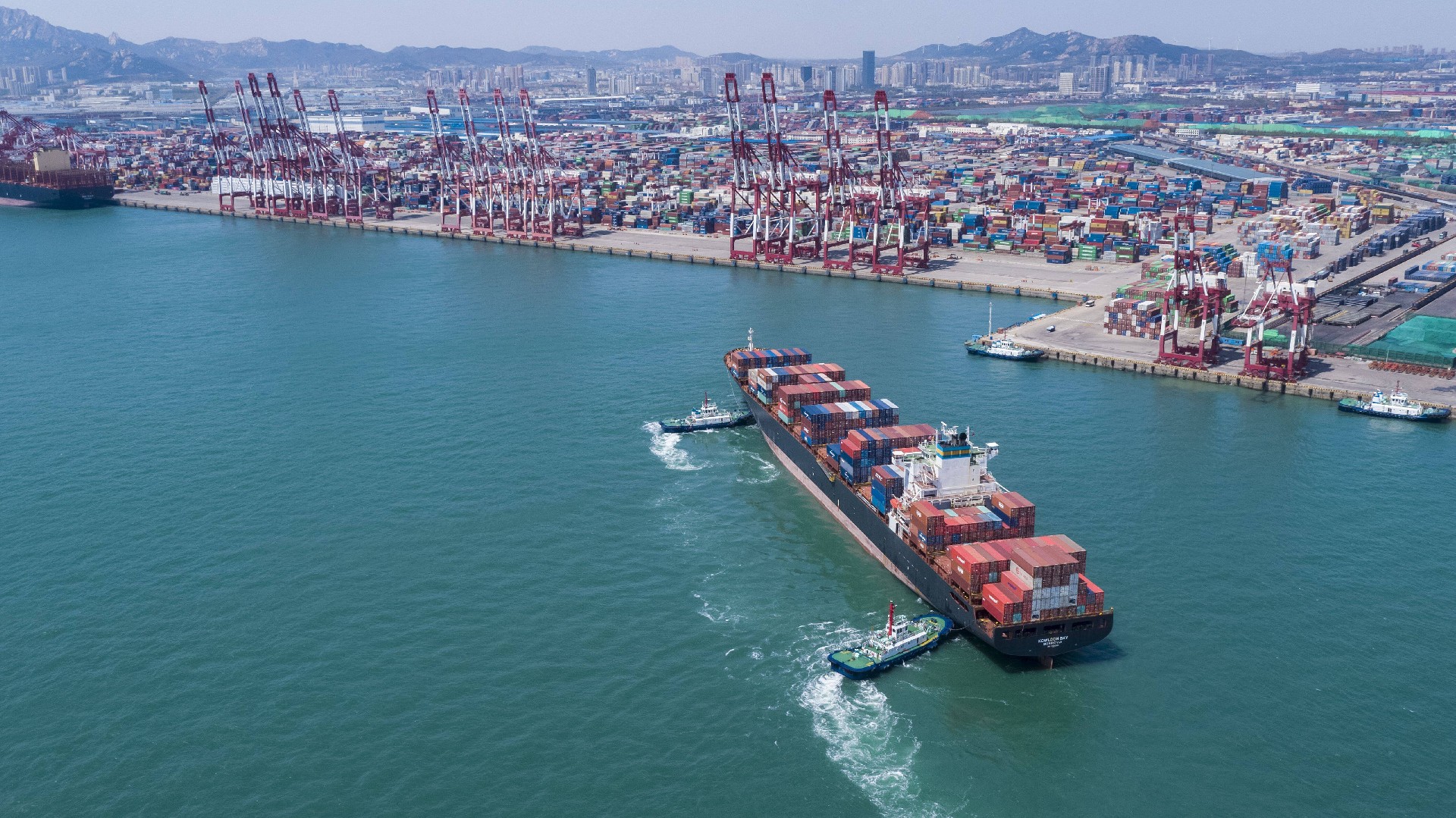
Since the start of this year, Qingdao’s foreign trade sector has demonstrated strong resilience amid a complex and volatile global environment. As a key foreign trade gateway in northern China, Qingdao Port has maintained steady growth in container throughput, registering a year-on-year increase of over 5% in the first four months. Imports and exports with Belt and Road partner countries and RCEP member states posted particularly robust growth.
This achievement is underpinned by continuous upgrades to port infrastructure and the coordinated operation of a professional service ecosystem. Within the logistics chain, local freight forwarders, leveraging their expertise in route resource integration and familiarity with local customs clearance procedures, have helped numerous small and medium-sized foreign trade enterprises secure shipping space amid frequent freight rate fluctuations and guarantee delivery reliability.
In terms of export product structure, Qingdao’s traditional competitive sectors including electromechanical products, tires and home appliances have remained stable. Meanwhile, exports of the new three strategic export products — new energy vehicles, lithium batteries and photovoltaic products — have seen remarkable growth. High-value-added manufactured goods from Qingdao are gaining growing market traction, especially in Southeast Asia, the Middle East and Latin America.
Nevertheless, foreign trade enterprises still face pressures from freight rate volatility, exchange rate risks and fluctuating demand in certain markets. Although capacity shortages stemming from the Red Sea crisis have eased, frequent route adjustments by shipping lines persist, leaving vessel schedules highly uncertain. Against this backdrop, Qingdao’s freight forwarding industry is evolving from a simple capacity intermediary into a supply chain solution provider. By pre-booking container space, designing intermodal transportation routes, and assisting clients with inventory optimization, forwarders are helping exporters lower logistics costs as a share of total cargo value.
Cross-border e-commerce has emerged as a new growth driver for Qingdao’s foreign trade. Jiaodong International Airport has expanded cargo routes to Europe, America, Japan and South Korea, driving a sharp year-on-year rise in cross-border e-commerce parcel exports. Traditional foreign trade enterprises are also accelerating digital transformation, expanding direct-to-consumer overseas business via platforms such as Alibaba.com and Amazon. In response, local logistics service providers have rolled out one-stop solutions covering domestic consolidation, customs declaration, international transportation and overseas warehousing and distribution. Leading firms have even launched dedicated small-parallel exclusive lines tailored to the fragmented, high-frequency order demands of cross-border e-commerce.
Challenges remain prominent. Rising global trade protectionism and additional tariffs imposed by certain countries on Chinese goods have directly hit export orders for Qingdao’s tire, steel and other industries. Meanwhile, cyclical volatility in global shipping markets, rising domestic logistics costs and talent shortages are squeezing profit margins for foreign trade firms.
To address these challenges, the Qingdao municipal government has introduced a package of policies to stabilize foreign trade, including expanding export credit insurance coverage, organizing enterprise participation in overseas exhibitions, and promoting cross-border RMB settlement. These measures have to some extent eased corporate capital pressure and difficulties in acquiring new clients.
Looking ahead, Qingdao’s foreign trade competitiveness will increasingly hinge on comprehensive supply chain efficiency rather than mere cost advantages. Synergy between seaports and inland dry ports, seamless rail-sea intermodal connectivity, and deep integration of digital platforms with physical logistics operations will become core drivers of regional foreign trade competitiveness.
In this process, professional logistics service providers — especially Qingdao’s freight forwarders — will grow increasingly vital. They act not only as cargo transporters but also as pivotal hubs converging information flow, capital flow and business flow. When a cargo vessel loaded with LCD TV parts departs Qingdao Port for Vietnam, it represents far more than the fulfillment of a single order; it embodies the coordinated operation of the entire supply chain ecosystem. The resilience of Qingdao’s foreign trade stems precisely from this continuous upgrade from isolated business nodes to integrated industrial chains.
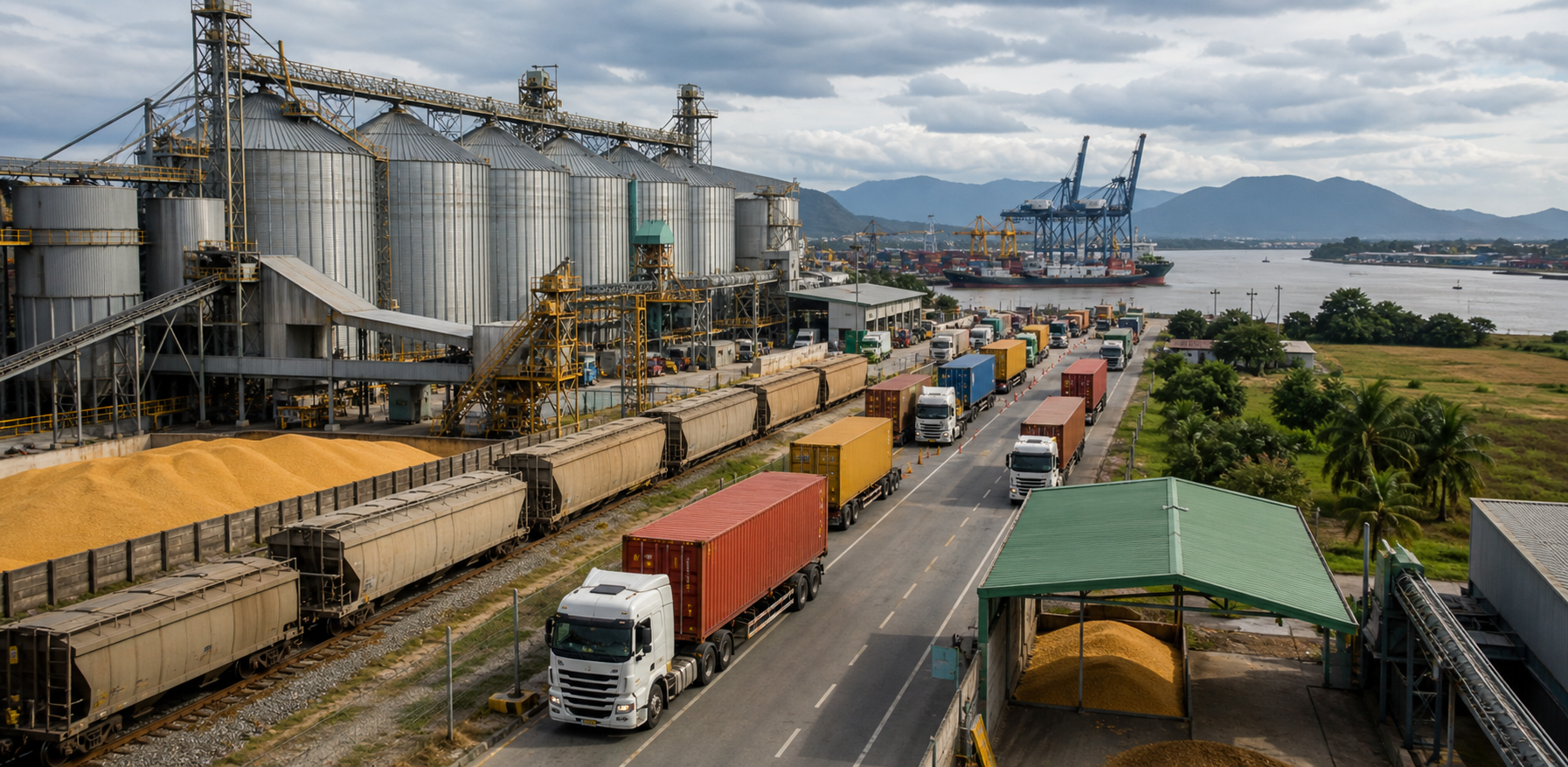
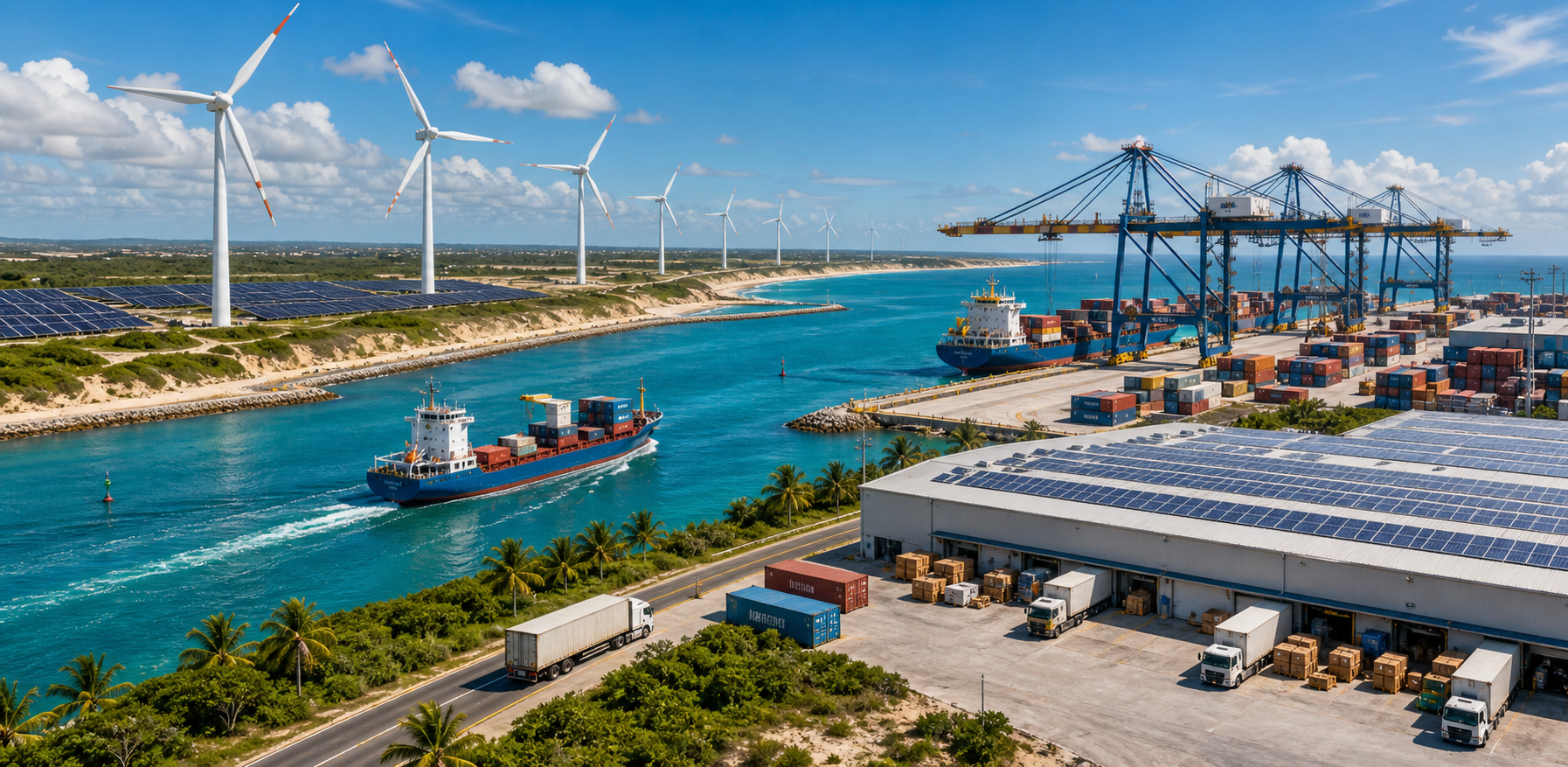
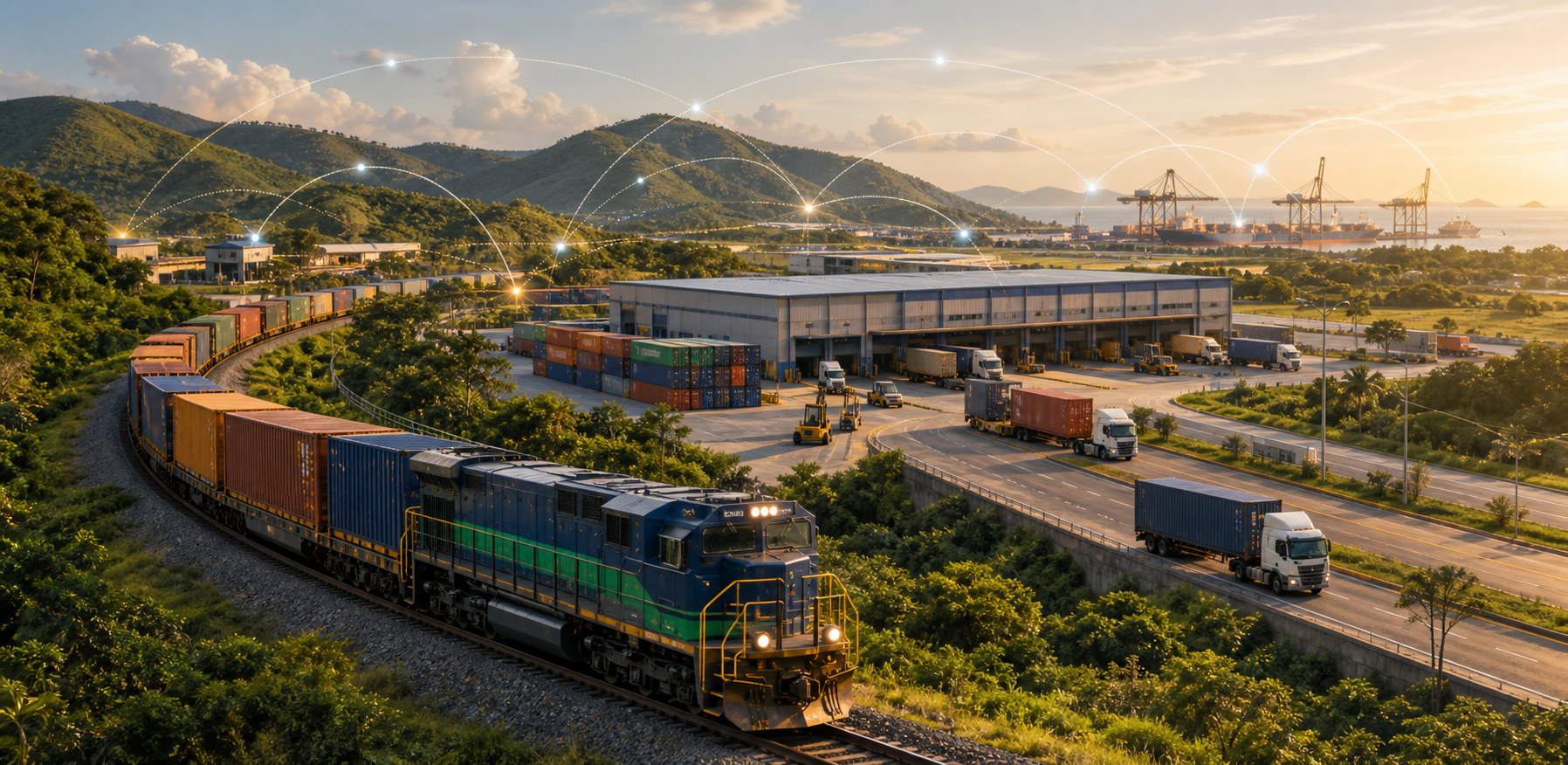




China——Brazil Trajectory Tracking



+86 532-85066033/34






 中文简体
中文简体 ENGLISH
