
Amazon announced on April 15 that its first Global Intelligent Fulfillment Hub (GWD) has officially opened to sellers in Shenzhen. Designed as a one-stop warehousing and distribution system built close to China’s manufacturing base, the hub integrates warehousing, customs declaration and clearance, cross-border transportation, and inventory allocation, and connects seamlessly with Amazon’s global FBA logistics network.
At present, the Shenzhen GWD supports shipments to fulfillment centers in the United States, and will gradually expand to markets including Europe and Japan. Amazon also plans to build additional fulfillment hubs in the Yangtze River Delta to further strengthen its cross-border logistics network in China.
For a long time, cross-border e-commerce sellers have faced common challenges in expanding overseas, including high costs, significant risks, and complex operations. Under the traditional model, sellers typically ship large volumes of goods to overseas warehouses in advance; if sales fall short of expectations, this easily leads to excess inventory and capital tie-up. In contrast, the GWD model allows sellers to stock goods in bulk domestically and then flexibly allocate inventory to fulfillment centers in different countries based on actual sales, reducing the risk of overcommitting to large overseas stockpiles.
Early feedback from pilot sellers has been largely positive. Some sellers noted that with more flexible shipping schedules and streamlined customs procedures, overall logistics lead times can be shortened by 3 days to two weeks. The model also provides cost-effective storage solutions for long-tail products, enabling low-cost, rapid testing of new items across multiple marketplaces.
Chen Ming pointed out that as the GWD launches in Shenzhen and gradually expands, Chinese cross-border e-commerce enterprises will gain more stable, intelligent, and flexible global supply chain support, helping lower the barriers to going global and enhancing their competitiveness in international markets.
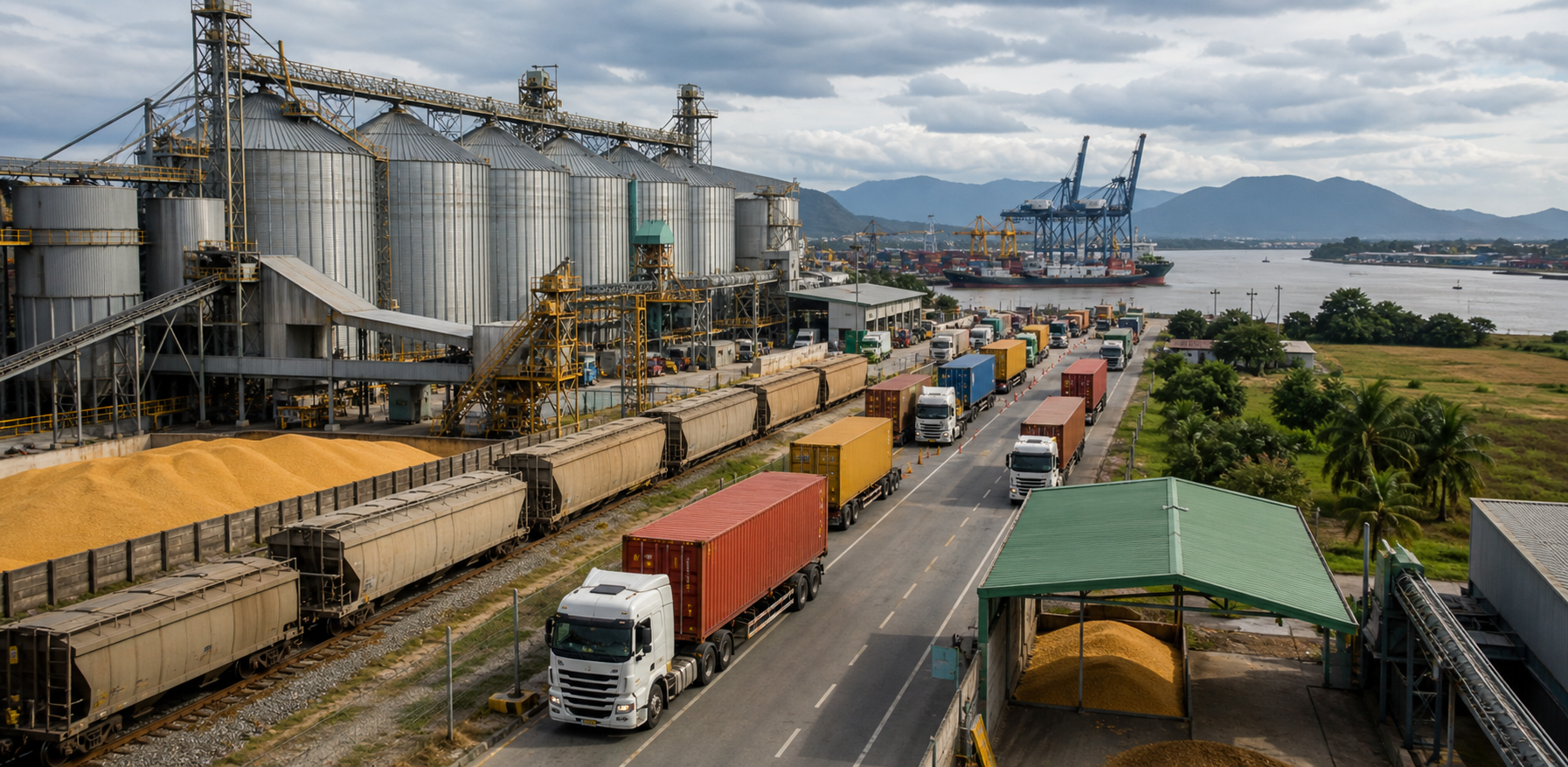

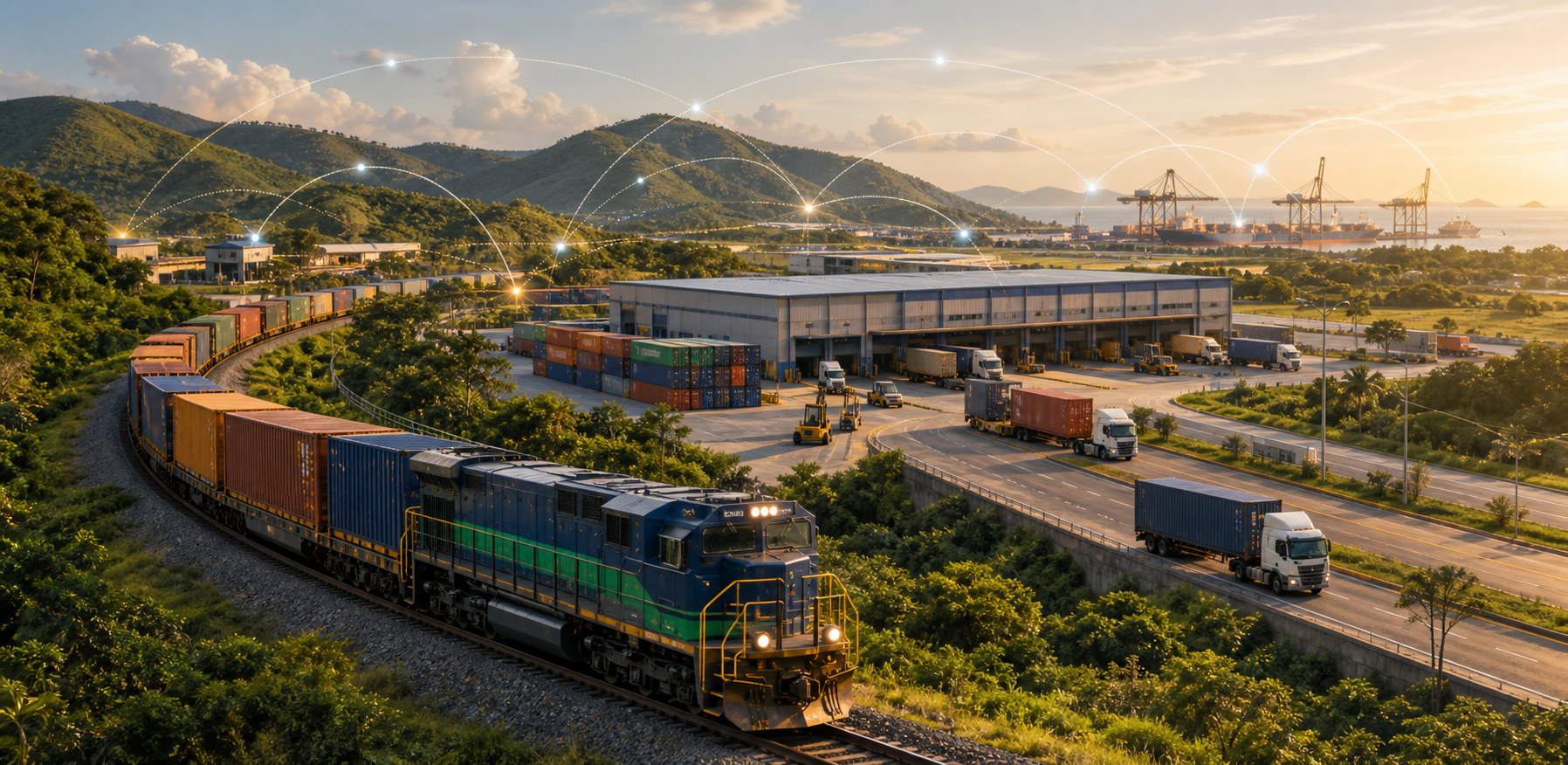




China——Brazil Trajectory Tracking



+86 532-85066033/34






 中文简体
中文简体 ENGLISH
