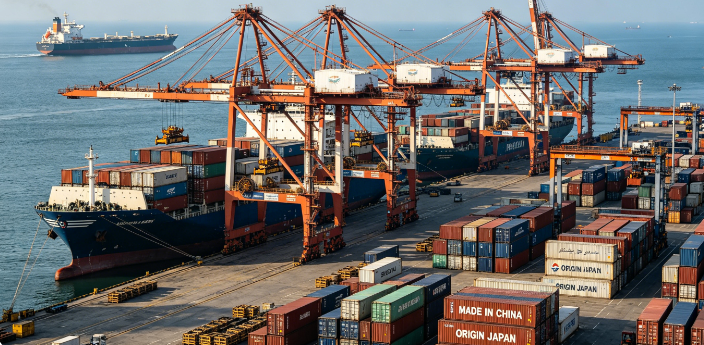
Trade between China and Brazil stands as a model of transoceanic cooperation. The two economies are highly complementary: China relies on Brazil for bulk commodities such as soybeans, iron ore, and crude oil, while Brazil imports manufactured goods from China including machinery, electronic products, and textiles. Stretching over 18,000 kilometers across the Pacific Ocean, this trade corridor presents significant logistical complexity and cost-control challenges, which are critical to the sustained prosperity of bilateral trade. Within the supply chain connecting the two nations, the efficiency and resilience of Brazil’s logistics system directly shape every step of value delivery—from farms and mines to factories and ports.
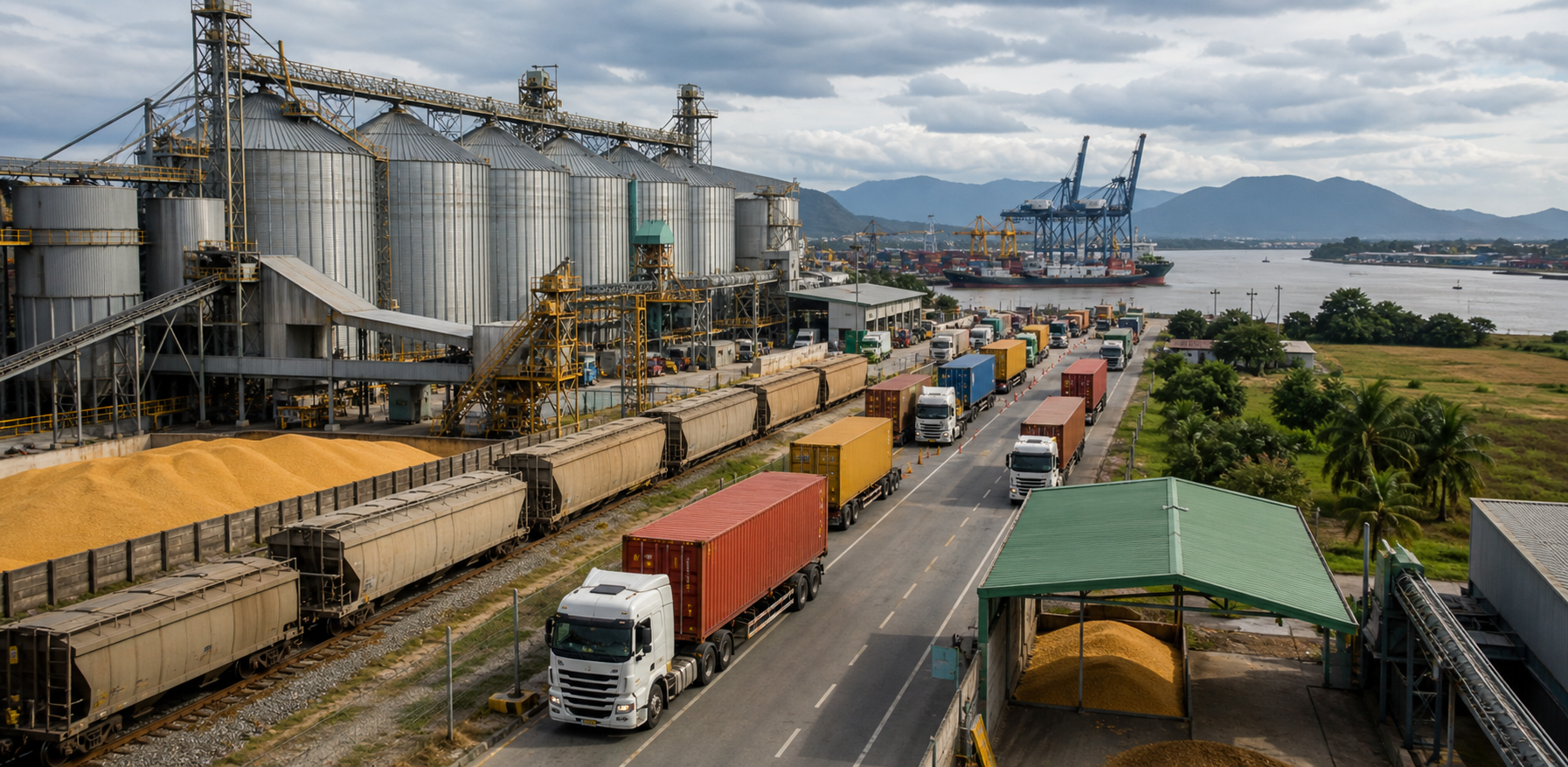
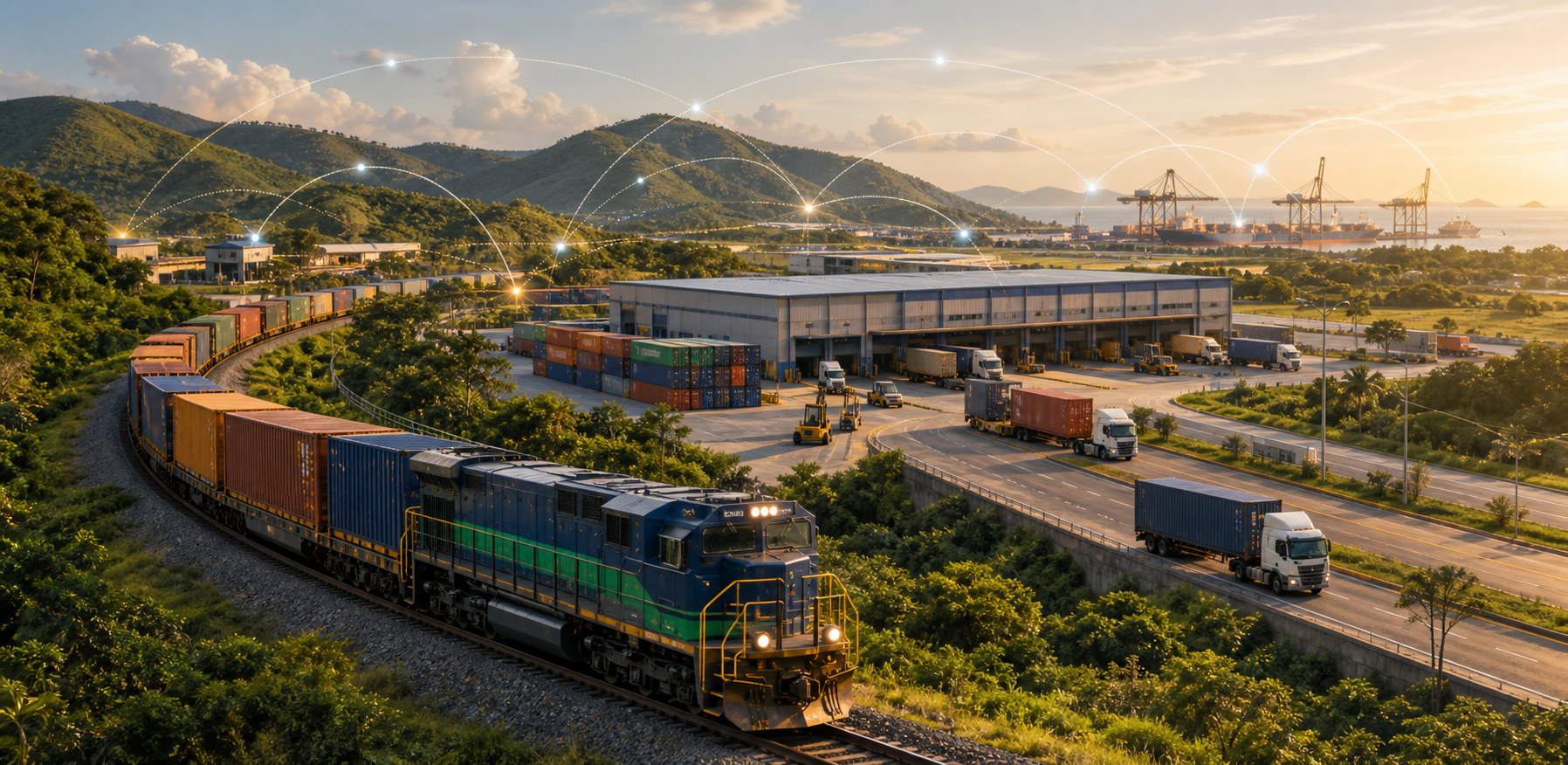
Geographically, most of Brazil’s export commodities originate in inland regions. Soybean fields in Mato Grosso and iron ore deposits in Minas Gerais are often more than 1,000 kilometers away from export ports on the southeast coast. As a result, overland transportation costs from production areas to ports can sometimes exceed ocean freight expenses. Road transport handles the majority of cargo movement in Brazil, but uneven road conditions, volatile fuel prices, and periodic truck driver strikes introduce considerable supply chain uncertainty. In response, a growing number of exporters are securing capacity with specialized logistics providers ahead of harvest seasons or adopting rail-road intermodal transport to diversify risks. These localized practices form a distinctive feature of Brazil’s logistics landscape compared to other markets.
Port operations pose another major challenge. The Port of Santos, Latin America’s busiest container gateway, handles nearly one-third of Brazil’s foreign trade volume annually. Yet port congestion, inconsistent customs inspection efficiency, and dockworker strikes frequently extend vessel waiting times well beyond expectations. For Chinese importers, this translates into delayed deliveries and mounting inventory pressure. Some large enterprises have adopted a “multi-port arrival” strategy, splitting single orders across ports including Santos, Paranaguá, and Itapoá to mitigate congestion risks at individual nodes. Meanwhile, digital tools are helping alleviate these bottlenecks: electronic manifests, appointment-based customs clearance systems, and real-time port status updates are gradually improving the visibility of Brazil’s logistics operations.
Transoceanic shipping also faces persistent challenges. Voyages from Brazil to China typically take 35 to 50 days, during which disruptions such as hurricanes, route re-routings, or geopolitical events may occur. During the Red Sea crisis, some shipping lines diverted via the Cape of Good Hope, tightening capacity on South American routes and pushing freight rates higher temporarily. In response, traders from both countries have increasingly adopted long-term freight agreements and capacity-locking contracts to hedge against sharp spot-market fluctuations. Furthermore, Chinese shipping companies have ramped up investment in the Brazilian market in recent years, enhancing end-to-end service capabilities by launching more direct services, deploying larger vessels, and building supporting storage facilities at Chinese ports.
Coordination between physical logistics, information flows, and financial flows is equally vital. Brazil’s tax system is complex, with varying value-added tax rates across states. Misclassification of tariff codes during import clearance can lead to a near doubling of duties. Experienced logistics providers therefore intervene early, assisting exporters in verifying commodity codes, preparing complete documentation, and launching pre-clearance procedures before cargo arrival. This deep integration elevates Brazilian logistics beyond mere cargo movement, making it a key component of trade compliance and cost control.
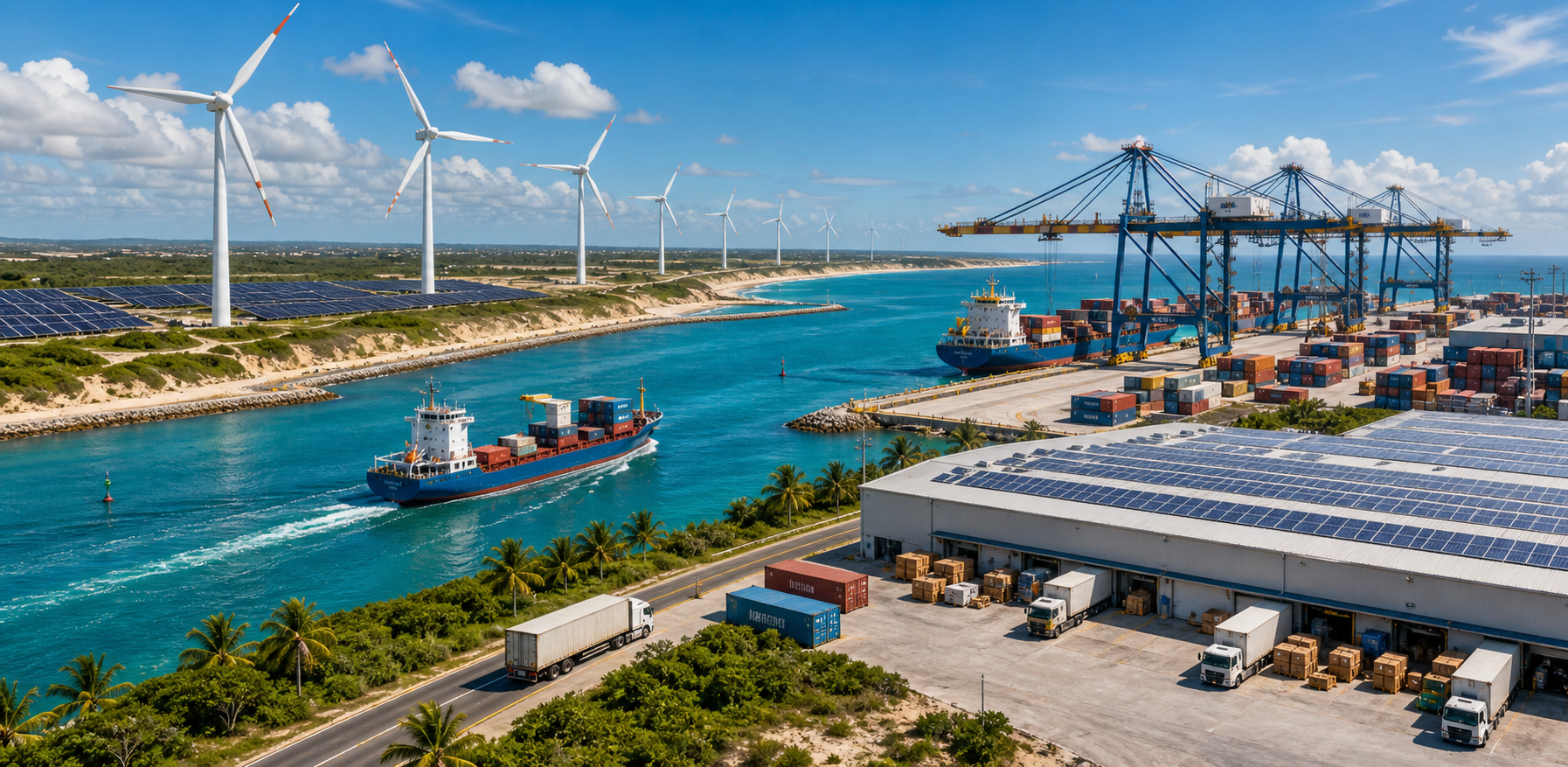
Looking ahead, further optimization of China-Brazil trade logistics remains possible. The Brazilian government is advancing port privatization reforms to attract foreign investment for upgrading terminal infrastructure, while Chinese companies are investing in warehouses and distribution networks across Brazil. These efforts will gradually shorten transit times and lower overall costs. For businesses in both countries, understanding and managing every segment of this transoceanic logistics chain has become a decisive competitive advantage. As the local foundation of this supply chain, ongoing improvements in Brazil’s logistics sector will inject stronger momentum into China-Brazil economic and trade cooperation.




China——Brazil Trajectory Tracking



+86 532-85066033/34






 中文简体
中文简体 ENGLISH
