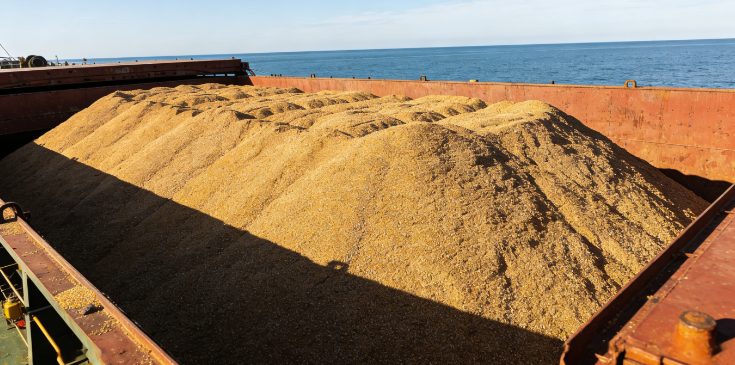
The US attack on Iran has led to the disruption of navigation in the Strait of Hormuz. BIMCO's shipping analysis manager pointed out that while this waterway is less critical for dry bulk shipping than for oil tankers, the disruption still affects around 4% of dry bulk shipping volume and tonnage demand.
The regional turmoil has caused a decrease in navigation, with at least five ships being attacked. Reports indicate that on March 3rd, the number of dry bulk vessels passing through the Strait of Hormuz sharply dropped to less than one-third of the previous week's level. Iranian military threats against ships in the strait and US advisories to avoid conflict areas have contributed to this decline. Despite Trump's announcement of providing financial protection and naval escorts for shipowners, this commitment has not yet been fulfilled, and the current impact on the situation is relatively minor.
The situation in the Strait of Hormuz remains unpredictable, and as of now, the impact of transportation interruptions on dry bulk freight rates has not been significant due to limited passage capacity. Analysts point out that ships below 160,000 DWT are the most affected, considering that 7% of Capesize vessels and 5% of Panamax and Supramax vessels depend on this route for transportation demand.
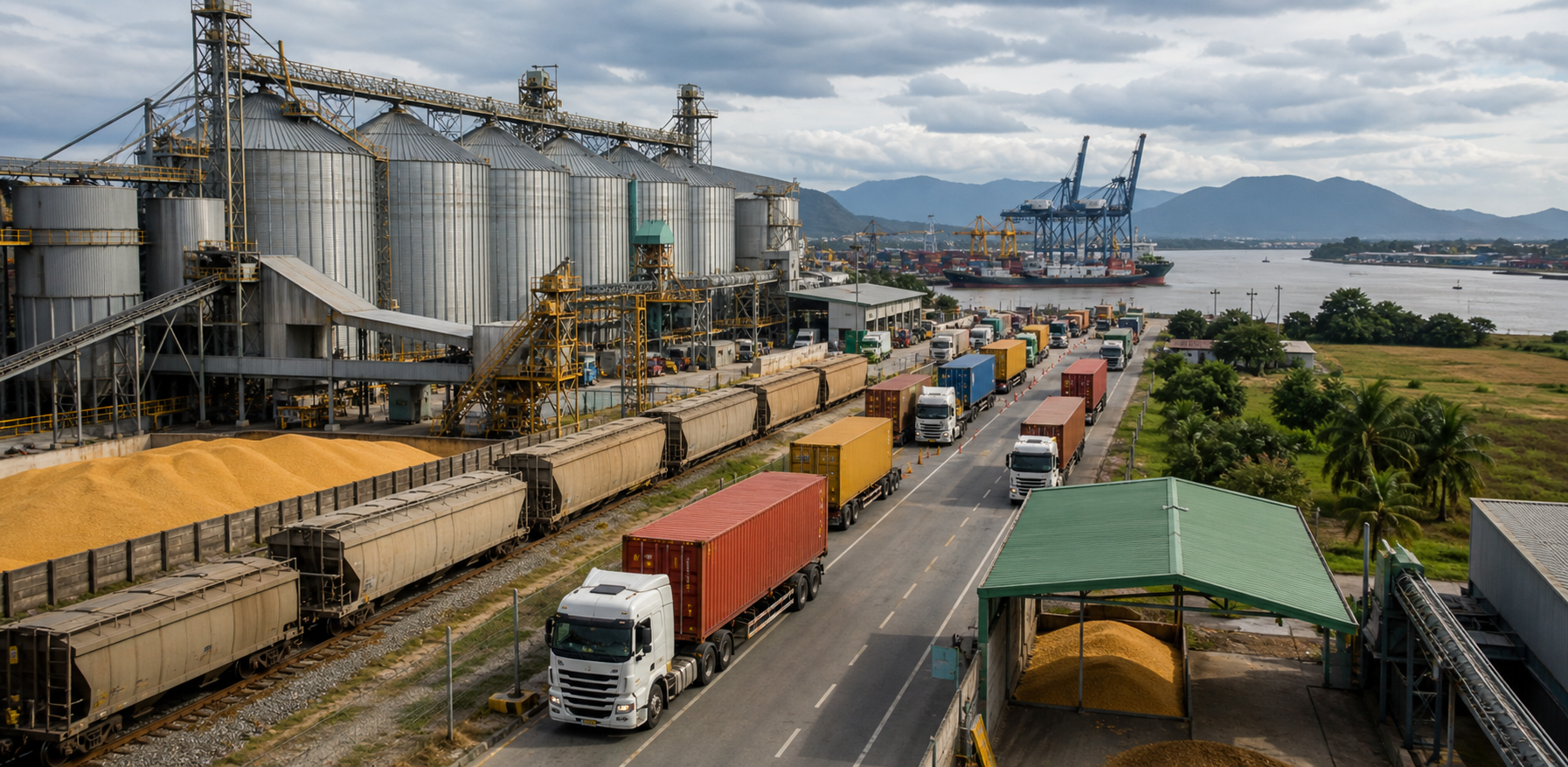
Grains, iron ore, and steel are the primary bulk commodities transported through the Strait of Hormuz to various ports in the Persian Gulf, accounting for 59% of the total import volume and 70% of ton-miles. Brazil and Argentina are the major suppliers of iron ore and grains in this region, while China is the main exporter of steel.
Among the dry bulk commodities transported outside the Persian Gulf, limestone, sulfur, and urea dominate, accounting for 69% of export volume and 63% of export ton-miles. Around 52% of global limestone is shipped out from the UAE through the Strait of Hormuz, primarily to India and Bangladesh, serving the cement and steel industries. The Persian Gulf is also a major source for global sulfur (45%) and urea (27%) shipments destined for various destinations worldwide.
Analysts suggest that if the supply disruption in the region persists, especially if navigation in the strait comes to a complete halt, the dry bulk market could face pressure, particularly for Capesize vessels. Alternative maritime transport solutions may struggle to meet current demands, leading to a potential decrease in import demand from Persian Gulf countries. Additionally, considering the limited availability of alternative suppliers for commodities like limestone, the substitutability of key export products in this region could face challenges.






China——Brazil Trajectory Tracking



+86 532-85066033/34






 中文简体
中文简体 ENGLISH
