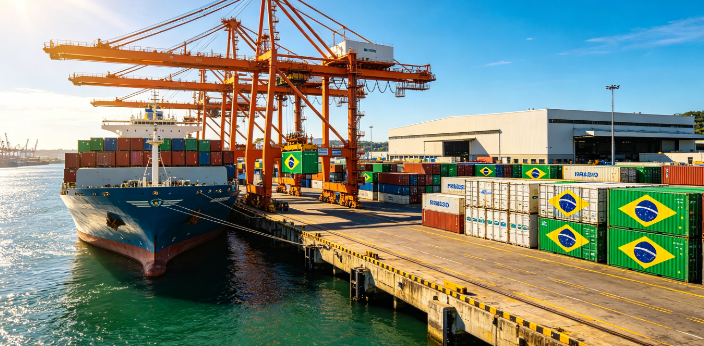
Brazil is the largest economy in Latin America and a major global exporter of agricultural and mineral commodities. Its foreign trade market is dominated by bulk commodities, while rising import demand for consumer and industrial goods continues to attract suppliers worldwide. Understanding the structural characteristics and logistics foundations of Brazil’s foreign trade — especially the pivotal role of its maritime shipping sector — is the primary step for entering this market.
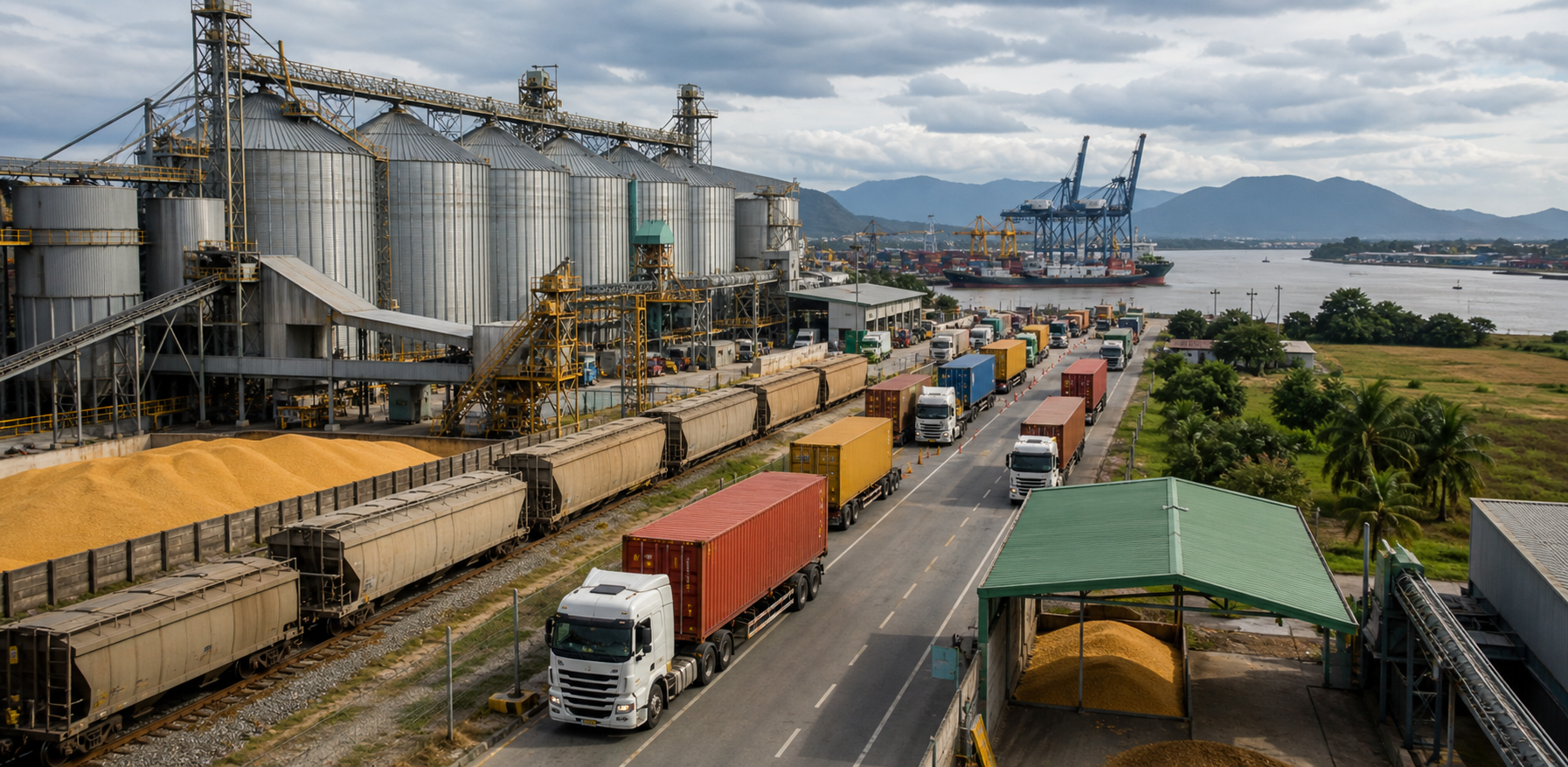
On the export side, Brazil’s strengths lie in resource-intensive products. Soybeans, iron ore, crude oil, pulp, meat, and sugar rank as its top six export categories, with the largest volumes shipped to China, the European Union, and the United States. This export structure makes Brazil highly sensitive to the global commodity price cycle. When international demand is strong and prices surge, Brazil’s trade surplus expands markedly; conversely, it faces fiscal and exchange rate pressure during downturns. Meanwhile, the Brazilian government is striving to diversify exports by promoting overseas sales of high-value-added agricultural goods such as coffee and fruit juice, as well as aerospace products. Nevertheless, the commodity-dominated export pattern is unlikely to change in the short term.
In terms of imports, Brazil mainly purchases manufactured goods, machinery and equipment, chemicals, electronic products, and fertilizers. China, the United States, Germany, and Argentina are its largest source markets. Notably, Brazil maintains a complex import tariff structure with differentiated rates for various product categories, alongside extensive non-tariff barriers including licensing and inspection and quarantine requirements. These factors raise compliance costs for foreign trade enterprises. In recent years, driven by domestic reindustrialization policies, Brazil’s import demand for capital goods and intermediate inputs has grown, creating opportunities for exporters in related sectors.
The geographical distribution of Brazil’s foreign trade is distinctly uneven. The Southeast and Southern regions — including São Paulo, Rio de Janeiro, and Rio Grande do Sul — host the majority of import and export enterprises and port infrastructure, while the Northern and Northeastern regions remain relatively underdeveloped. This imbalance is also reflected in logistics costs: overland transportation expenses from inland production areas to coastal ports often exceed transoceanic freight rates. As the primary link connecting Brazil to global markets, maritime shipping handles over 95% of the country’s foreign trade cargo volume. The operational efficiency of hub ports such as Santos, Rio de Janeiro, and Itapoá directly shapes the international competitiveness of Brazilian exports. However, long-standing issues including port congestion, labor strikes, and aging infrastructure continue to plague Brazil’s shipping system, causing cargo delays and higher overall costs.
Another notable feature of Brazil’s foreign trade market is drastic exchange rate volatility. The Brazilian real fluctuates sharply against the U.S. dollar, driven by international capital flows, commodity prices, and domestic political and economic conditions. This places high demands on pricing strategies and hedging arrangements for import and export contracts. Many Brazilian importers stock up in advance when the real weakens and reduce inventory during currency appreciation. Cross-border traders commonly use forward foreign exchange contracts and other instruments to lock in profit margins.
Brazil has made moderate progress in trade facilitation in recent years. The nationwide rollout of the single-window system, adoption of electronic manifests, and 24-hour customs operations at selected ports have shortened clearance times to some extent. Even so, customs procedures remain cumbersome overall, and importers typically rely on local customs brokers to navigate complex tariff classifications and regulatory requirements. In addition, Brazil’s tax system is extremely intricate, with varying value-added tax rates across states and numerous temporary surcharges, posing significant challenges for cross-border trade compliance.
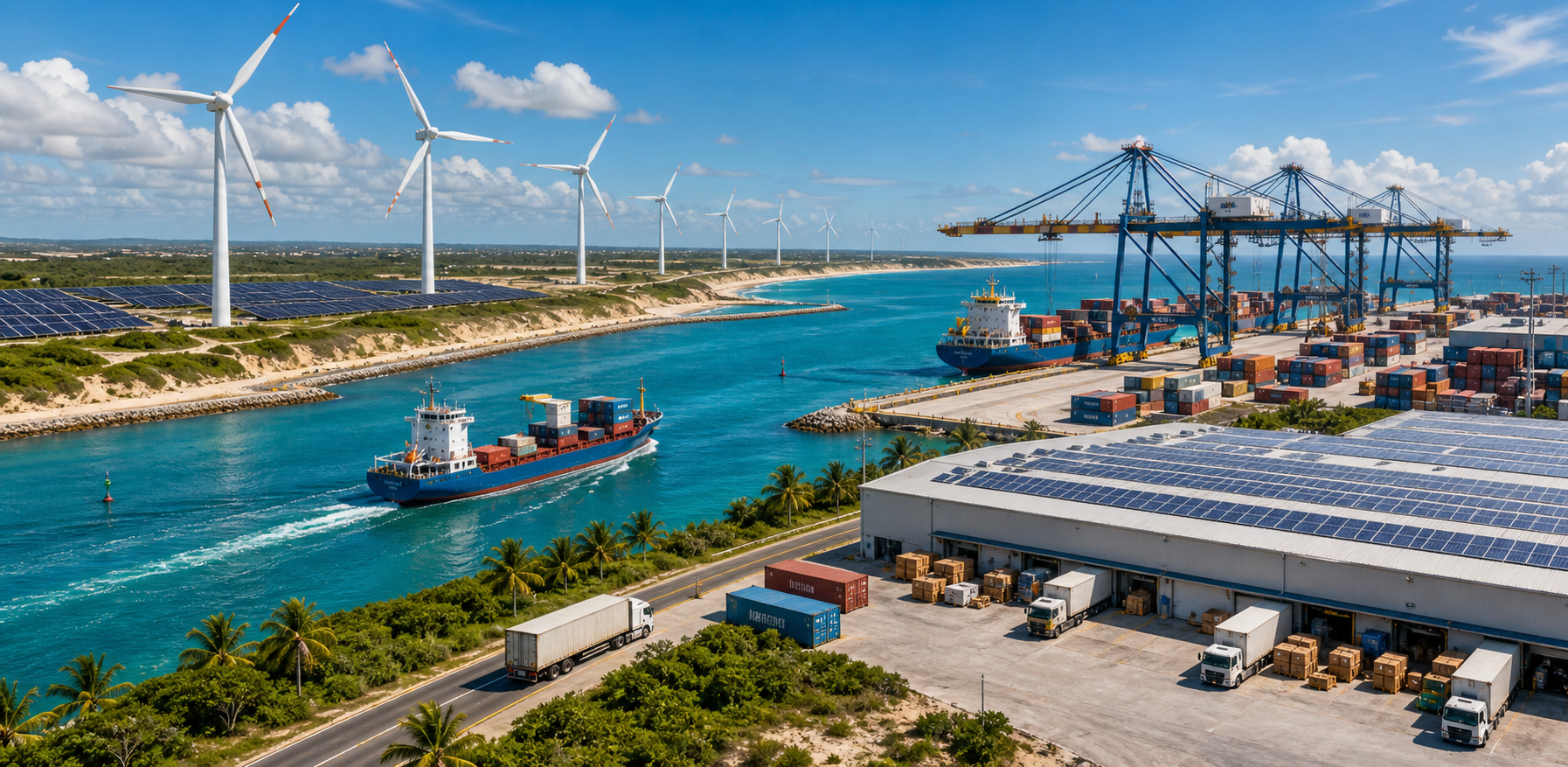
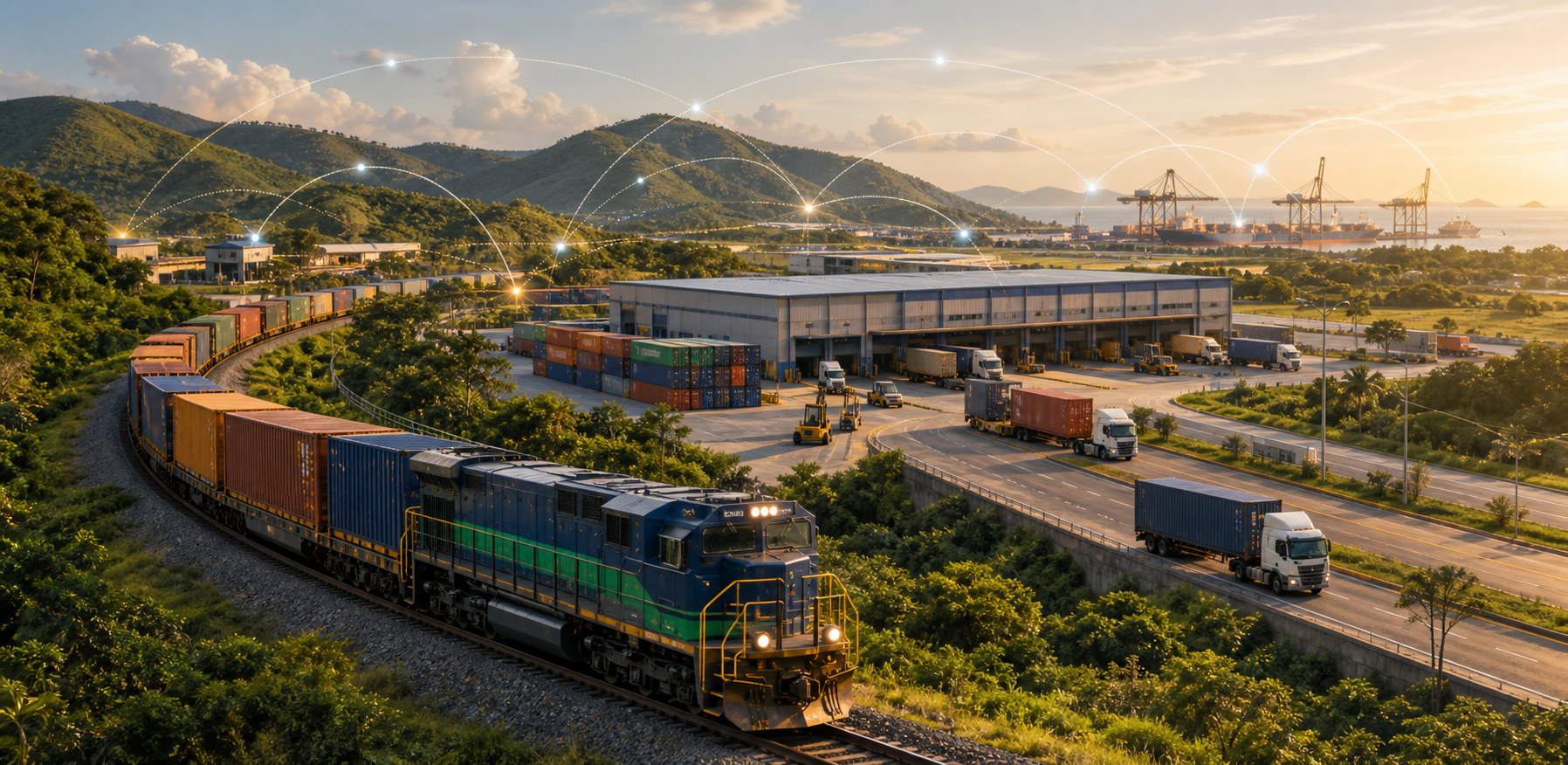
Alongside challenges, Brazil’s foreign trade market offers substantial opportunities. As a member of BRICS and a core nation of Mercosur, Brazil maintains a customs union with neighboring countries including Argentina, Uruguay, and Paraguay. Companies can leverage Brazil as a gateway to the broader South American market. Furthermore, Brazil is advancing large-scale infrastructure improvement initiatives, including port privatization, railway construction, and logistics corridor upgrades. These measures are expected to lower logistics expenses and enhance the overall efficiency of Brazil’s maritime network. For patient exporters, Brazil represents a market worthy of long-term cultivation, supported by its large consumer base, abundant natural resources, and gradually improving business environment.
Overall, Brazil’s foreign trade market forms a complex ecosystem filled with both opportunities and challenges. Success hinges on an in-depth understanding of its trade structure, logistics bottlenecks, tax rules, and exchange rate risks, alongside the formulation of flexible market strategies. As the vital artery linking Brazil to global supply chains, the stability and predictability of Brazil’s maritime shipping sector will always remain a core concern for foreign trade enterprises.




China——Brazil Trajectory Tracking



+86 532-85066033/34






 中文简体
中文简体 ENGLISH
