【Supply Chain Observation】 In recent years, the global supply chain has been undergoing profound changes. From the traditional single Chinese manufacturing center to parallel layout of production capacity in Southeast Asia, South Asia, India, and other regions, the restructuring of the supply chain geographical pattern has become an undeniable trend. This transformation is not only changing the competitive landscape of global manufacturing but also reshaping the demand map of international trade logistics.
The rapid development of cross-border e-commerce and the intensification of international economic and trade friction have made more and more enterprises realize the risks of over-reliance on a single manufacturing base. In 2026, Southeast Asia has undertaken a large amount of transferred or newly added production capacity from China, with Vietnam, Indonesia, and Thailand being the most prominent. Although Vietnamese manufacturing worker salaries continue to rise, its cost advantage relative to China remains significant; Indonesia's huge population base and consumer market potential make it a key focus for many brands; Thailand has established a relatively complete local supporting system in automotive parts and electronics industries.
This diversified layout is not a simple "transfer" but a strategic choice of "diversifying risks + approaching markets." By establishing production bases in different regions, brands can avoid single-country policy risks while better serving local and surrounding markets.
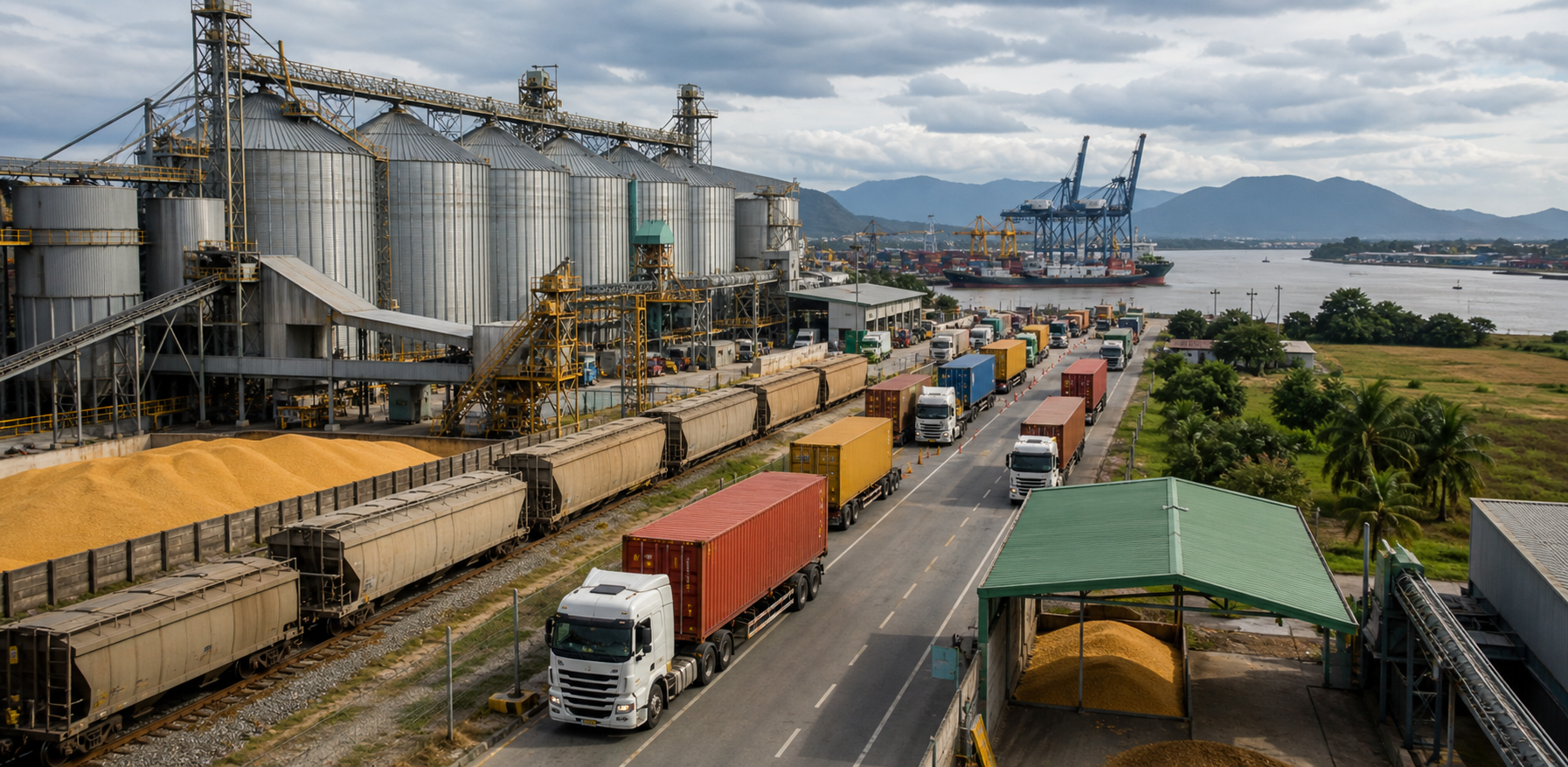
The logistics challenges brought by supply chain geographic diversification are multi-dimensional. From the perspective of raw material supply, supplier networks have become more complex, requiring the establishment of procurement and logistics channels in multiple countries separately. From the perspective of finished product distribution, finished products are shipped from multiple production bases to global markets, offering more logistics path choices but increasing coordination and management difficulties.
Cross-border logistics enterprises are adjusting their service capability layouts in response to these changes. Enterprises with factories in multiple countries need logistics providers with the ability to coordinate shipments from multiple countries. From customs clearance policies to route choices, from consolidation strategies to warehouse layout, every aspect requires more professional service capabilities. Those logistics enterprises that have already established networks in major Southeast Asian markets are gaining more favor from such customers.
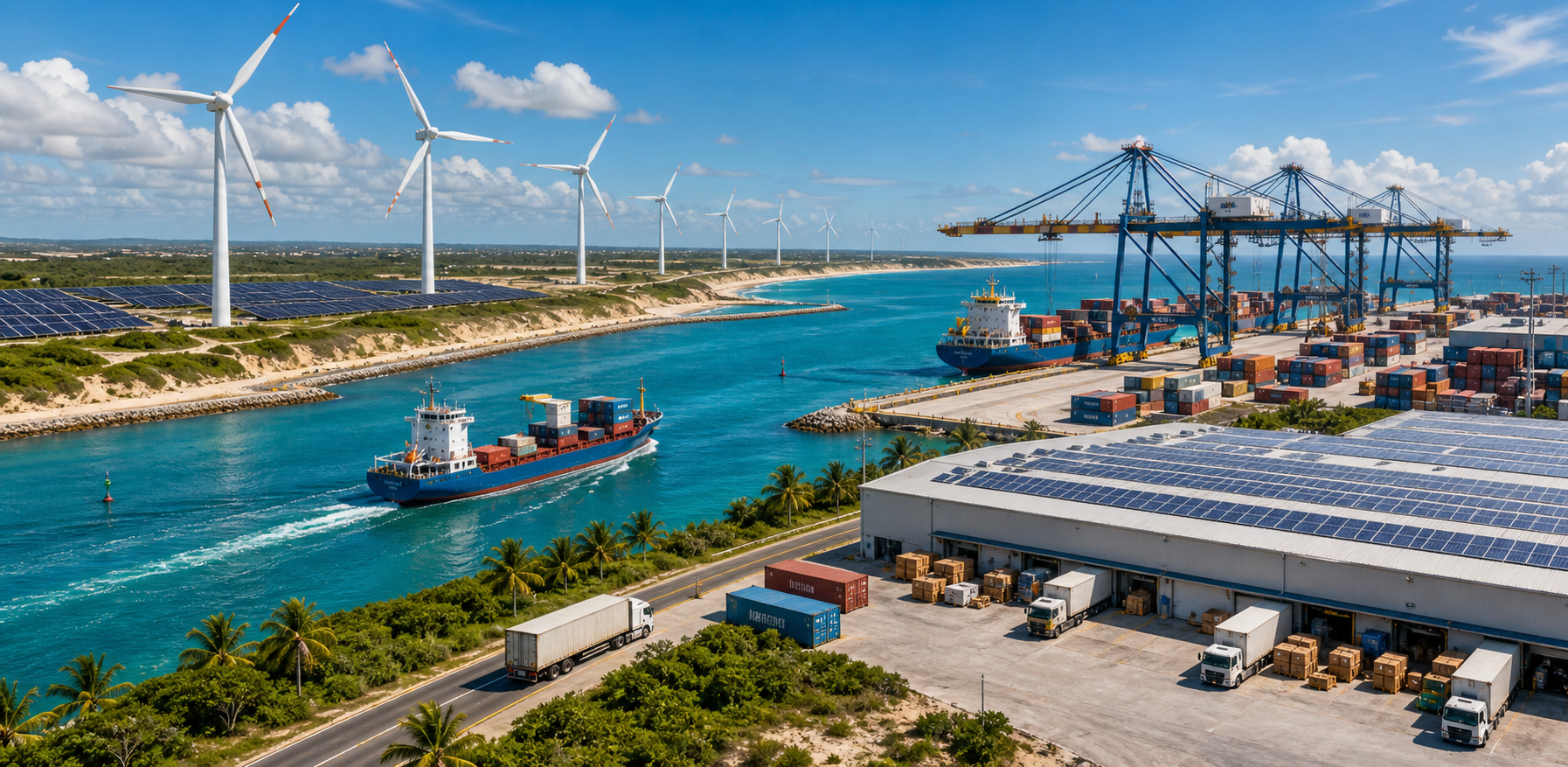
The migration of manufacturing capacity objectively also provides overseas opportunities for Chinese logistics enterprises. Chinese logistics enterprises, leveraging their experience accumulated from years of serving manufacturing, have established mature capabilities in overseas warehouse layout, cross-border specialized lines, and multi-modal transport. These capabilities are extending to Southeast Asia along with Chinese manufacturing enterprises.
In Southeast Asia locally, Chinese logistics enterprises face competition from Japanese-Korean enterprises and local enterprises. However, with deep understanding of Chinese manufacturing enterprises, more flexible service responses, and relatively competitive pricing, Chinese logistics enterprises have certain advantages in serving Chinese cross-border e-commerce enterprises. From a long-term perspective, localization of service capabilities is the key for such enterprises to deeply cultivate overseas markets.
The restructuring of the global supply chain is still ongoing. In the foreseeable future, the pure single-source supply pattern will continue to weaken, and multi-centered, multi-node supply networks will become mainstream. For the logistics industry, this change is both a challenge and an opportunity.
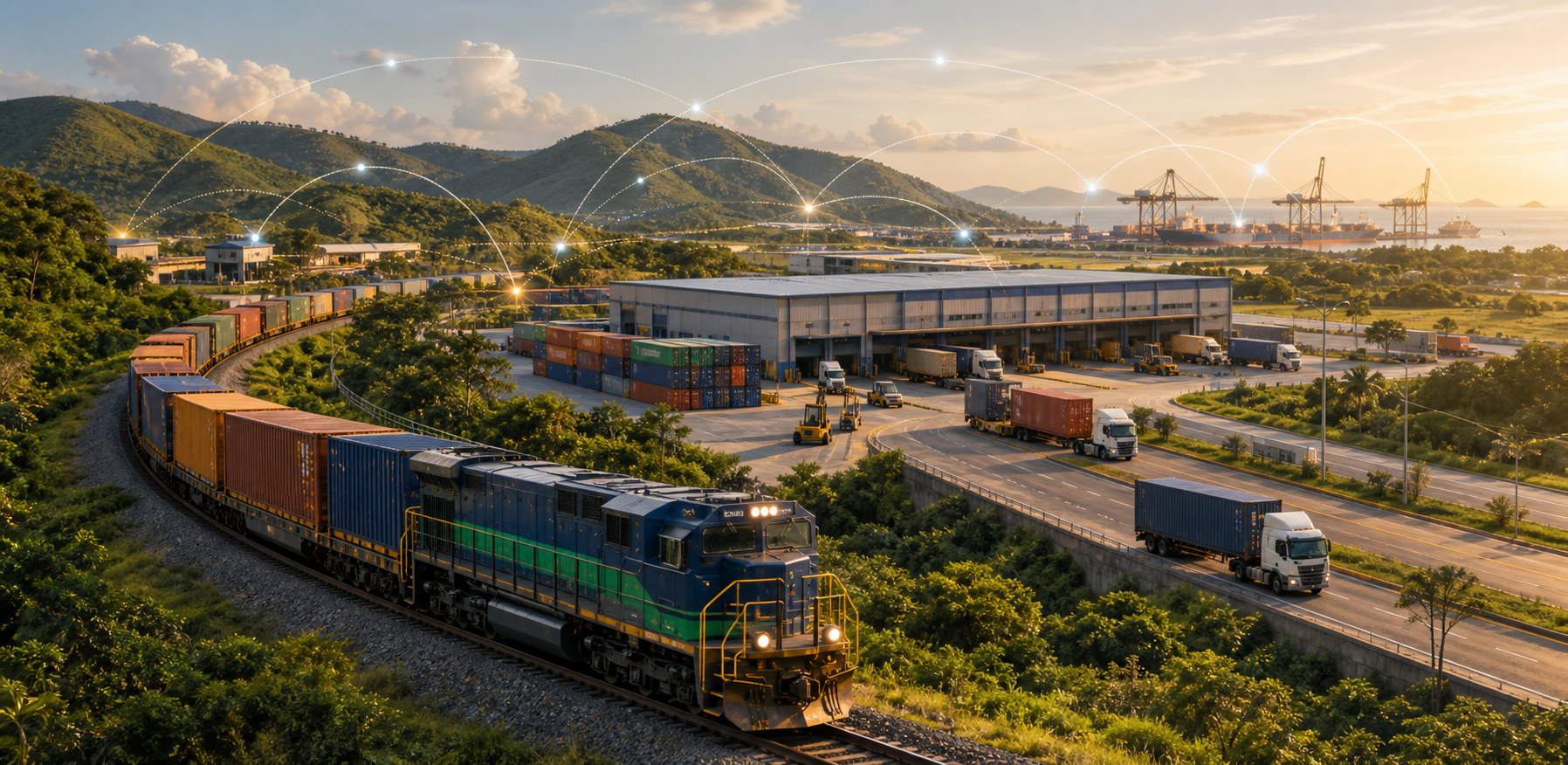
Logistics enterprises that can provide stable, efficient, and flexible services in complex supply networks will become scarce resources in this era. Supply chain visualization, flexibility, and intelligence are directions that logistics enterprises need to continue investing in. This transformation is still in its early stages of evolution, and the future pattern depends on today's choices and actions.
---
配图:东南亚现代化工厂外观,现代化建筑与热带植物背景,摄影
---
【图片信息】
- 正文图片:image-1---0a03563e-db9c-4745-8e27-1141144a7870.png
- 缩略图:image-1---15bfa20f-3bf7-4a3f-b6ee-e7b35a038e51.png




China——Brazil Trajectory Tracking



+86 532-85066033/34






 中文简体
中文简体 ENGLISH
