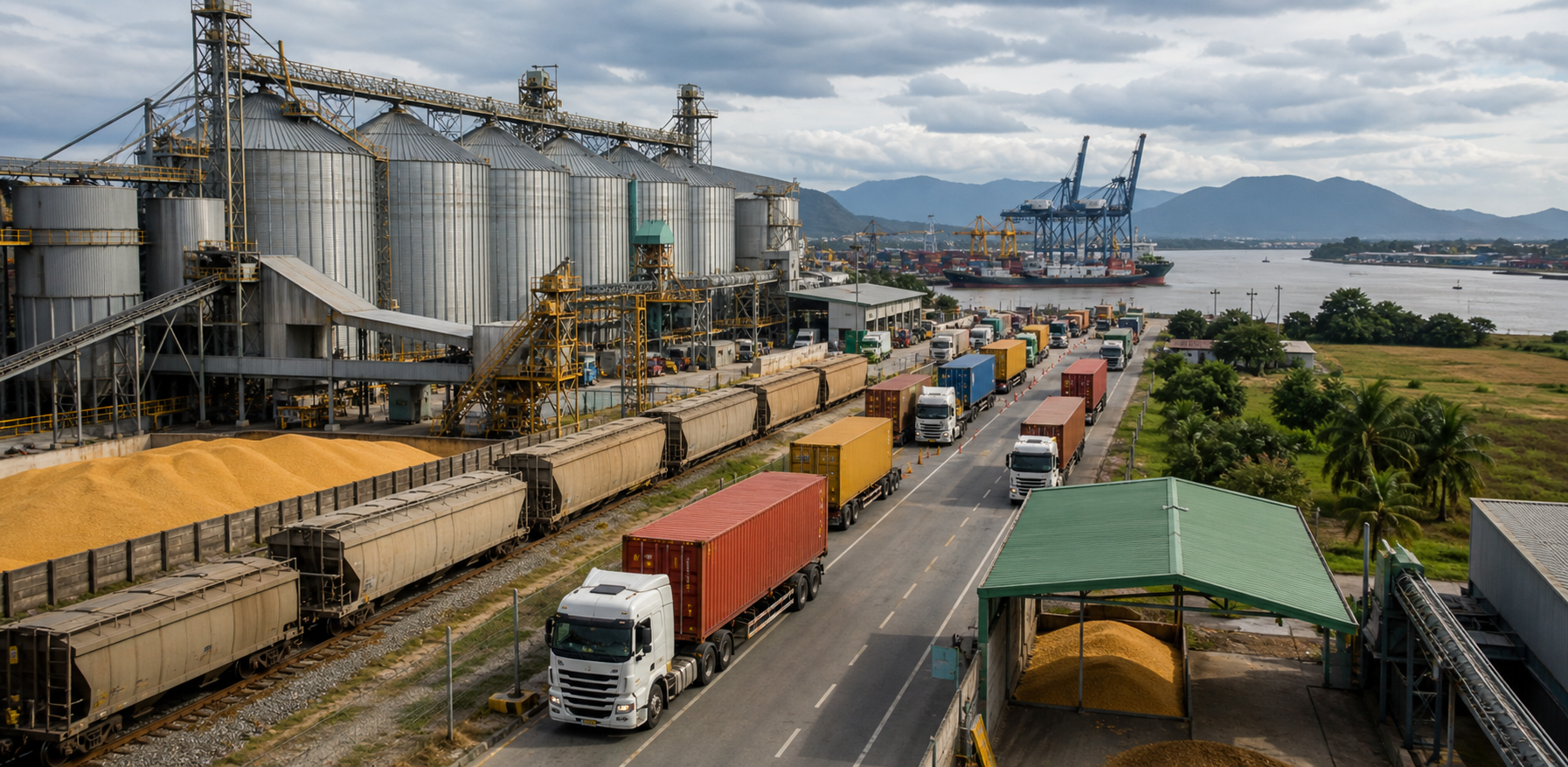
As of August 19, 2026, recent logistics and trade updates continue to focus on Brazil-US tariff disputes and WTO consultations, Santos and South America port windows, Panama Canal waiting costs, Red Sea and Middle East diversions, August peak surcharges, container space validity, high-value electronics airfreight demand and lithium battery DG document reviews.
For freight forwarders, importers, exporters, logistics managers and cross-border e-commerce teams, changes in major international freight lanes are not only about rates. Customs compliance, space windows, surcharges, inland delivery, warehousing and customer promises need to be managed together.
外贸物流 is changing quoting and booking rhythm. Carriers, airlines and destination providers adjust rate validity, peak surcharges, fuel surcharges and local charges more frequently. If shippers compare only one ocean freight or airfreight rate, they may underestimate real logistics cost.
A stronger cost-control model splits export orders into first mile, port operation, customs, inland transport, warehousing, final delivery and exception handling. Each step should have a clear owner, fee basis and confirmation deadline.
Document pre-check should happen before booking. Invoices, packing lists, contracts, HS codes, product names, material, use, origin documents and consignee qualifications need to be consistent. Brazil customs and other high-compliance markets are less tolerant of late corrections.
Quotes should be transparent. They should state validity, applicable sailing, origin port, destination port, PSS, GRI, BAF, local charges, trucking, warehousing and exception-cost approval rules. E-commerce shippers also need warehousing, returns, relabeling and secondary delivery costs.
Backup routes should be ready before cargo becomes urgent. General cargo can move by ocean freight, while samples, high-value cargo and critical spare parts may need airfreight or sea-air solutions. Cold-chain, dangerous goods, lithium batteries and precision equipment require temperature records, MSDS, UN38.3 documents, packaging proof and insurance.
In the coming weeks, 外贸物流 will continue to interact with capacity, port windows, surcharges and customs rules. Shippers should not chase the lowest freight quote only. Partners with transparent pricing, compliance checks, visibility and proactive alerts will support more stable delivery and better transport cost optimization.




China——Brazil Trajectory Tracking



+86 532-85066033/34






 中文简体
中文简体 ENGLISH