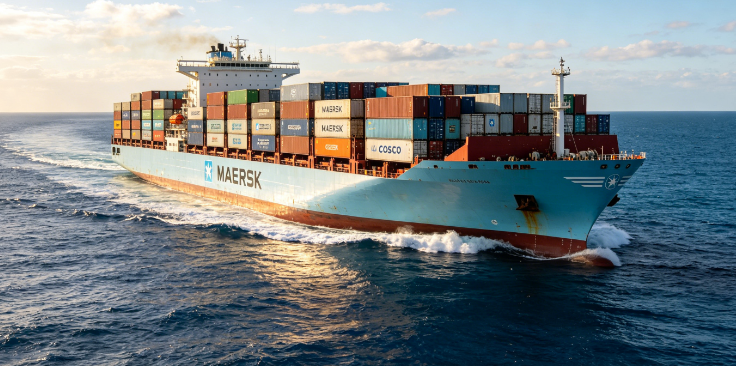
As the largest developing countries in the Eastern and Western Hemispheres respectively, China and Brazil have a bilateral trade relationship that plays an increasingly important role in the global economic landscape. In 2025, China-Brazil trade volume maintained steady growth, with China remaining Brazil’s largest trading partner for 15 consecutive years, while Brazil is China’s largest trading partner in Latin America. The material foundation of this trans-Pacific economic and trade connection relies heavily on efficient and stable maritime shipping routes. Most of the trade volume between the two countries—from Brazilian soybeans, iron ore to Chinese machinery and electronic products—is transported by sea, forming a close symbiotic supply chain relationship.
In terms of trade structure, China and Brazil show typical complementary characteristics. Brazil’s main exports to China are concentrated in bulk commodities, dominated by soybeans, iron ore, crude oil, pulp and meat. These products are large in volume, relatively low in unit value and highly sensitive to transportation costs, making the economic advantage of maritime transport irreplaceable. Taking soybeans as an example, when Brazilian farmers in the Midwest calculate profits, the ratio of inland transportation costs from production areas to ports and transoceanic freight rates often determines their planting decisions. On the other hand, China’s exports to Brazil reflect the breadth and depth of its manufacturing industry: machinery and equipment, auto parts, communication equipment, household appliances, as well as rapidly growing new energy products in recent years such as electric vehicles and photovoltaic modules, are gradually changing Brazilian consumers’ perception of “Made in China”.
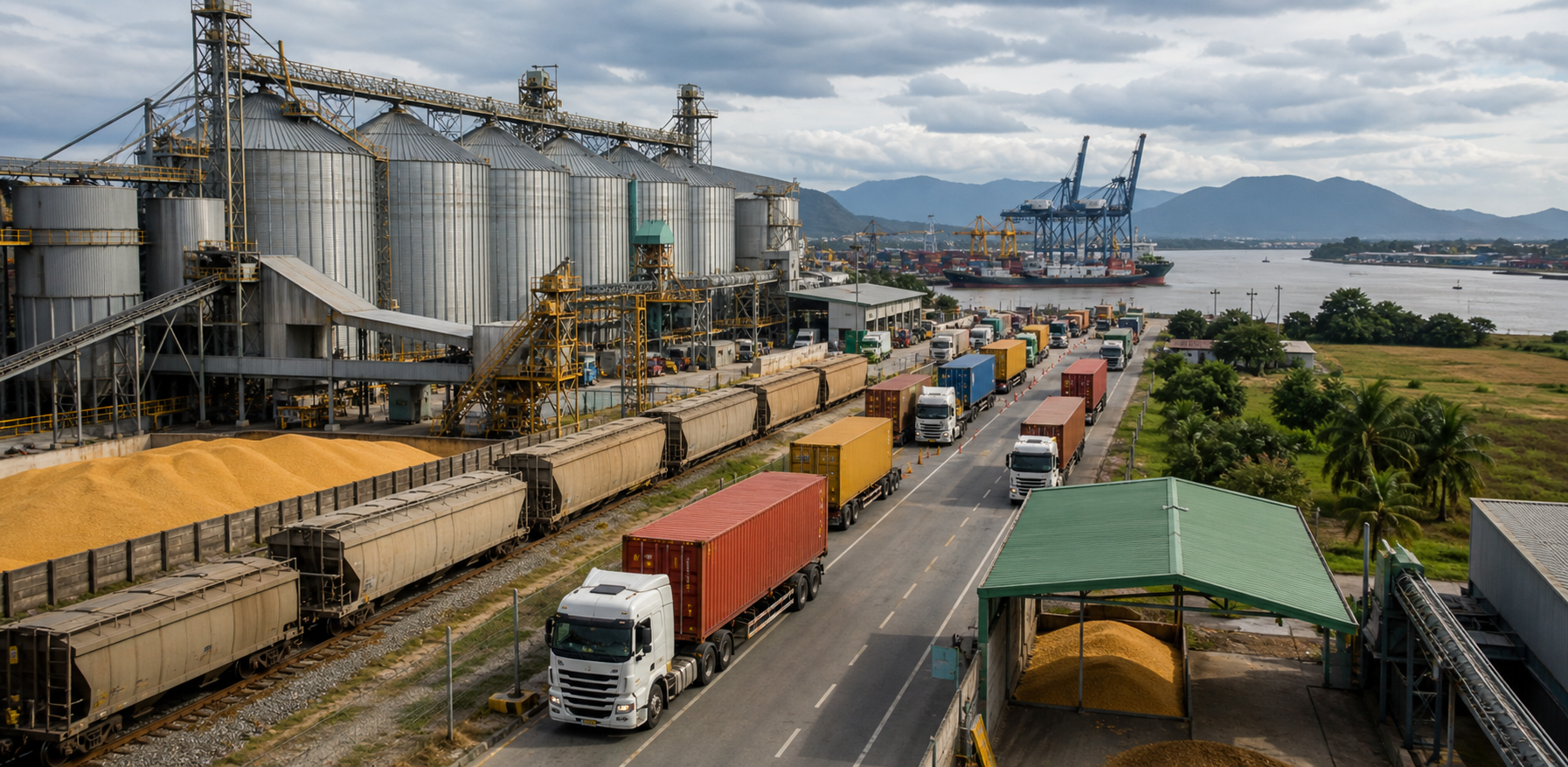
However, this trans-Pacific trade route has not been smooth sailing. In recent years, volatility in the global shipping market has exerted significant impacts on China-Brazil maritime transport. The Red Sea crisis disrupted Asia-Europe routes, leading some shipping companies to reallocate capacity, which indirectly affected schedule stability and freight rates on South American routes. Meanwhile, the carrying capacity of Brazil’s domestic port infrastructure is also under pressure. Major ports such as Santos and Paranaguá often experience congestion during peak agricultural export seasons, prolonging vessel waiting times and directly pushing up overall logistics costs. For Chinese importers, this means more refined inventory and arrival schedule management; some enterprises have adopted strategies such as port diversification and advance space booking to hedge risks.
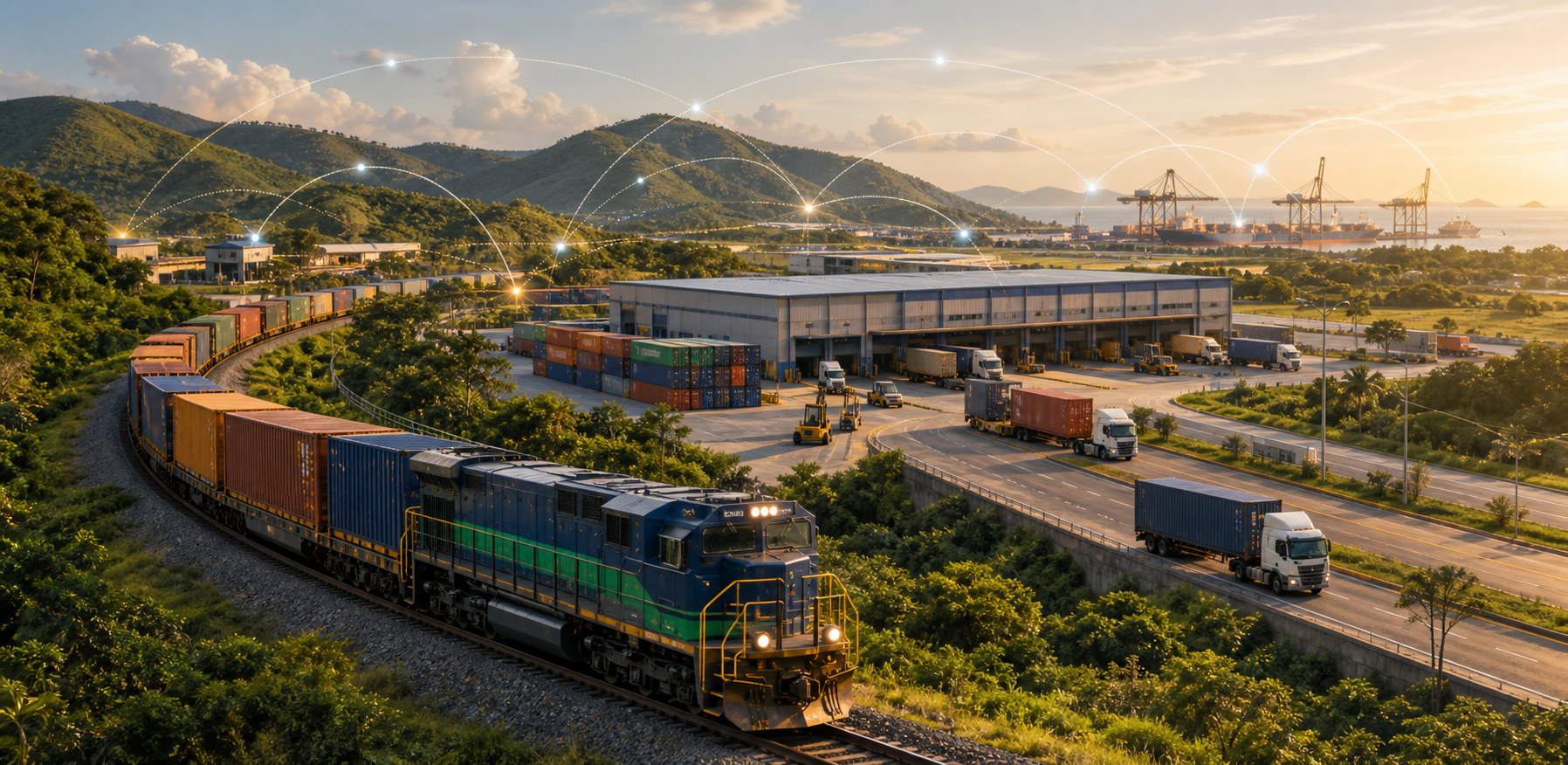
At the logistics service level, the smooth operation of China-Brazil trade depends on the coordination of professional freight forwarders and shipping companies. Every link requires precise connection: from booking and containerization at the port of loading, to route selection for ocean transportation, and customs clearance and inland distribution at the port of destination. Especially in Brazil, a market with complex regulations and a unique tax system, logistics partners familiar with local rules can help Chinese enterprises effectively avoid customs delays and compliance risks. In recent years, with the expansion of China-Brazil trade, more and more Chinese shipping and logistics companies have set up branches or established strategic cooperation in Brazil, gradually building a full-chain service capacity covering ports, trucking, warehousing and customs declaration.
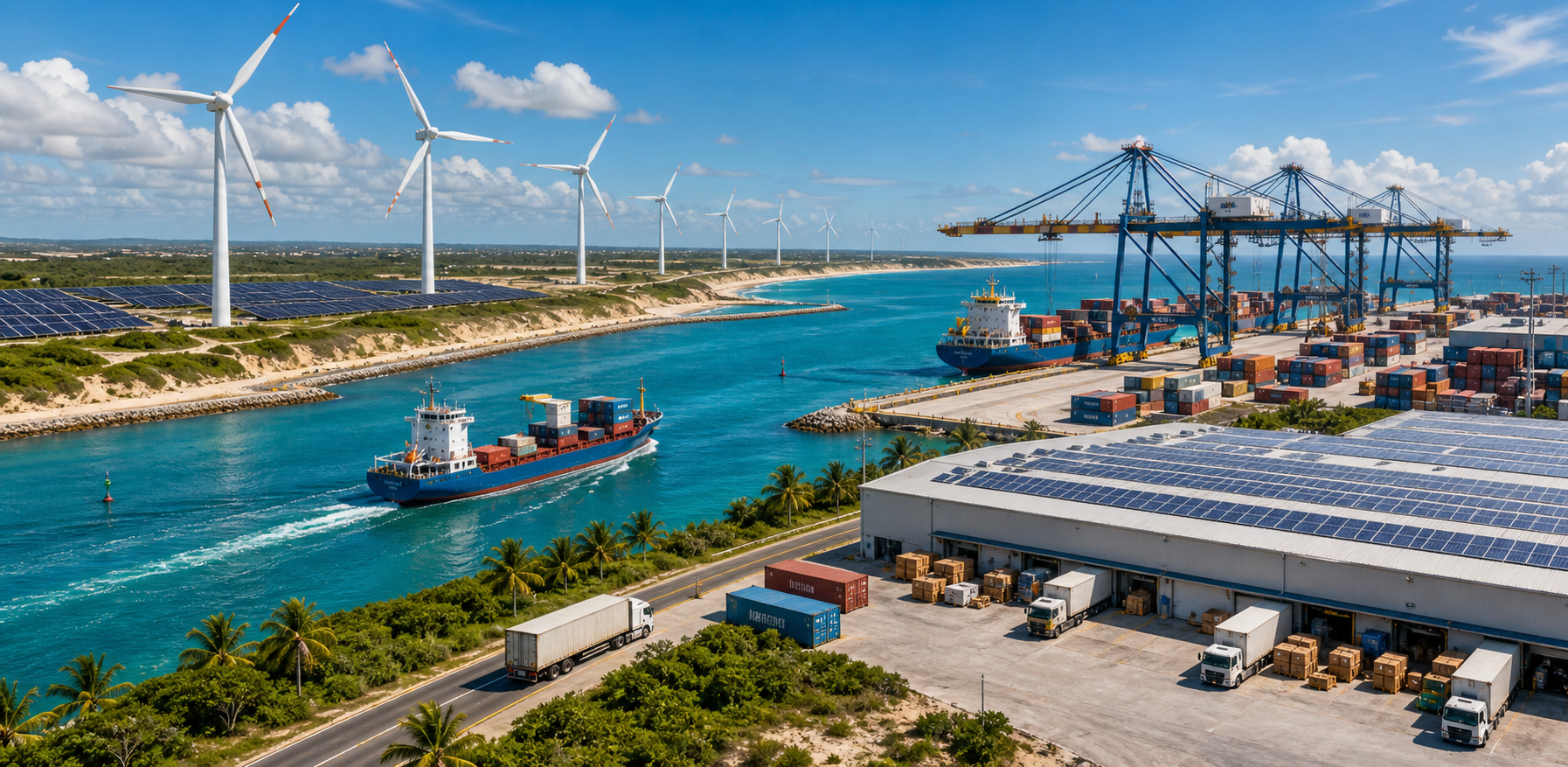
Looking ahead, the deepening of China-Brazil trade will continue. The two countries enjoy broad cooperation space in agriculture, mineral resources, new energy, digital economy and other fields. Improving the efficiency and resilience of the maritime shipping system, as the physical connecting channel, will be key to unlocking this potential. Modernization of port facilities, optimized route network layout, and application of digital technologies across the entire chain will all inject new momentum into transoceanic trade. Cargo ships crossing the Pacific carry not only containers, but also the pragmatic expectations of common development for the two major developing countries.




China——Brazil Trajectory Tracking



+86 532-85066033/34






 中文简体
中文简体 ENGLISH
