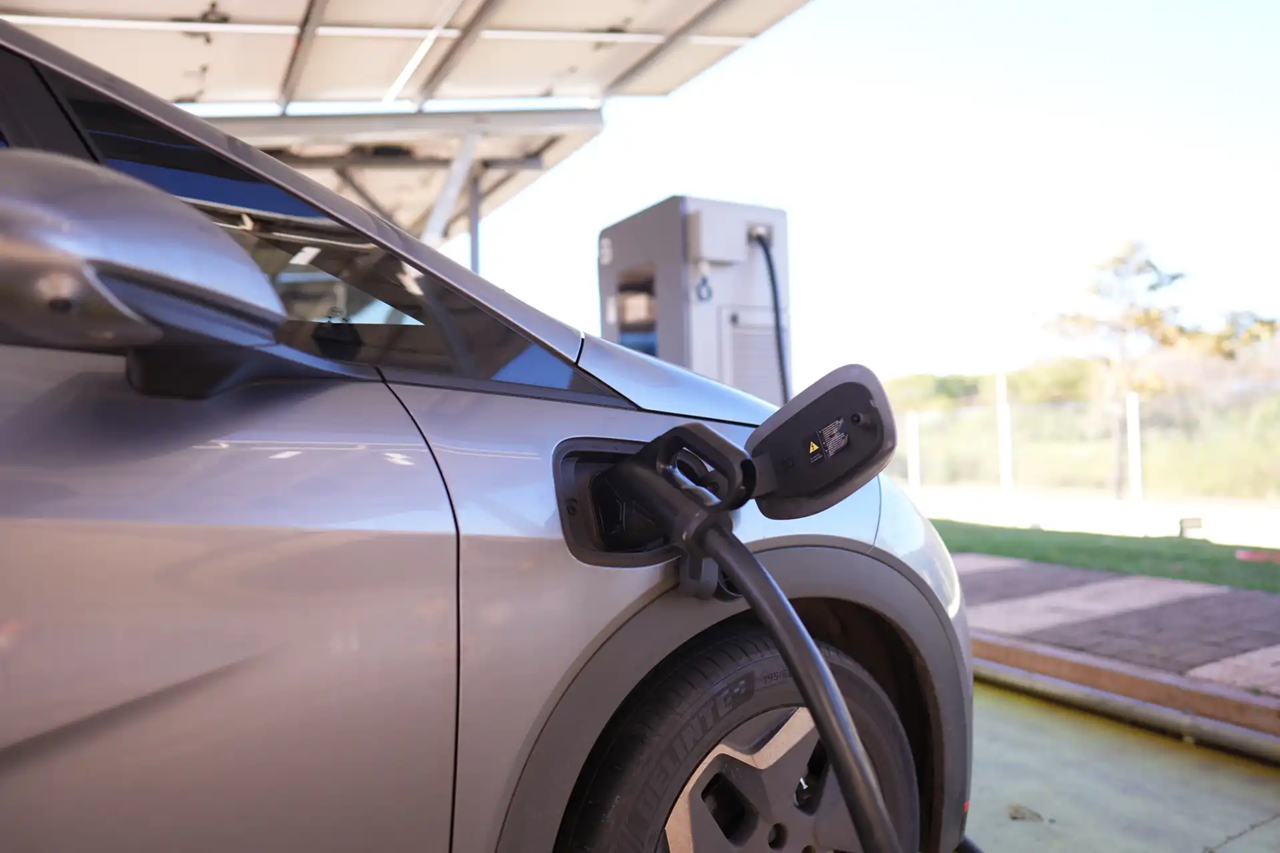
In March this year, Brazil’s electrified vehicle market reached an all-time high, setting new records in both sales volume and market share.
Data from the Brazilian Electric Vehicle Association (ABVE) shows that 35,356 electrified vehicles (including battery electric, mild hybrid, hybrid, and plug‑in hybrid models) were registered in the month, representing a 42% month‑on‑month increase and a sharp 146% year‑on‑year rise compared with March 2025.
At the same time, the market position of electrified vehicles has further strengthened, accounting for 14% of total light vehicle sales in Brazil — roughly unchanged from previous months — indicating steady growth at a relatively high penetration rate.
Industry observers attribute this growth largely to an improved regulatory environment, particularly in the state of São Paulo. Recent local policies have streamlined approval processes for installing electric vehicle charging stations in residential apartment buildings, legally protected the right of EV owners to install and use charging facilities on their premises, and updated fire safety regulations. These measures have effectively reduced uncertainty for consumers, property managers, and homeowners’ associations, easing a longstanding key bottleneck to electric mobility: the lack of residential charging access in urban areas.
In terms of model structure, externally chargeable vehicles accounted for 75% of total sales.
Battery electric vehicles (BEVs) performed strongest, with 14,073 units sold in March, up 62% month on month and 193% year on year.
Plug‑in hybrid electric vehicles (PHEVs) also maintained strong momentum, with 12,367 units sold, representing a 47.4% monthly increase.
By contrast, conventional hybrid and flex‑fuel hybrid vehicles that do not require external charging reached 8,916 units, about 25% of total sales, with growth rates notably lower than those of chargeable models.
Regionally, Brazil’s Southeast remains the largest market, accounting for 46% of national sales, followed by the South and Northeast. The state of São Paulo led by a wide margin at 29.3%, further consolidating its central role in the country’s automotive electrification transition.
Cumulative figures also reflect an accelerating market. In the first quarter of 2026, total sales of electrified vehicles in Brazil reached 83,947 units, more than double the volume in the same period of 2025, indicating that the growth trend that began last year strengthened further in early 2026.
Overall, March’s market performance shows that Brazil’s electrified vehicle sector is gradually shifting from being driven purely by supply to being supported by improved usage conditions.
With clearer regulatory policies and ongoing enhancements to residential charging infrastructure, market penetration is expected to continue rising in the coming months.






China——Brazil Trajectory Tracking



+86 532-85066033/34






 中文简体
中文简体 ENGLISH
