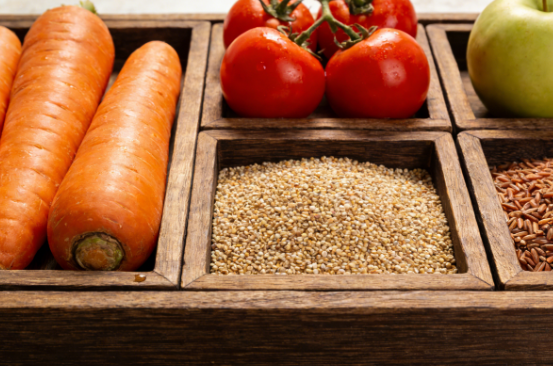
Due to the cost impacts of the Middle East conflict, Brazilian agriculture will be one of the most affected industries. The ongoing conflict and its potential escalation will raise the cost of next season's harvest, ultimately jeopardizing the expansion of planting areas and technological investments for the 2026/27 fiscal year.
According to the "São Paulo State News," market analysts, international trade experts, industry organizations, and government officials unanimously point out that energy is the main channel affecting Brazilian agriculture. The conflict has driven up oil prices, leading to increases in crude oil prices, which in turn have raised diesel, fertilizer, and freight prices.
Experts believe that the escalation of the Iranian conflict is rapidly disrupting global prices and logistics, particularly the rise in oil and natural gas prices and the costs of maritime shipping routes. This has resulted in increased production costs for Brazilian agricultural enterprises and has once again triggered inflation in the input supply end of the industry in a situation where commodity prices are low and profit margins are narrow.
The Brazilian Ministry of Agriculture stated that the current situation requires caution to avoid overreactions in the market. Minister Carlos Fávaro acknowledged the impact on costs as Brazil relies on imported nitrogen fertilizer but stressed the need for "close monitoring" at present to prevent panic.
The Brazilian Agriculture and Livestock Confederation (CNA) also highlighted the impact on energy and logistics costs, emphasizing the strategic importance of the Middle East region for energy, natural gas, and urea. The organization warned that any disruption in the Strait of Hormuz would quickly add pressure to global costs and the Brazilian market.
CNA listed the transmission channels leading to increased costs in Brazil, including the rise in natural gas prices leading to a surge in urea prices, increased freight, insurance, and maritime operational costs, as well as exchange rate fluctuations. In the short term, the biggest pressure comes from fuel costs, especially during the harvesting season, with tight diesel supplies in rural areas.
Experts indicate that the conflict brings external cost inflation impacts to agricultural enterprises primarily through energy, nitrogen fertilizer, and logistics transmission, potentially affecting consumer prices and food inflation. Against the current backdrop, the impact of the conflict on the harvest costs for the 2026/27 season is more pronounced, exacerbating the risks of declining profitability for producers and reduced investments.




China——Brazil Trajectory Tracking



+86 532-85066033/34






 中文简体
中文简体 ENGLISH
