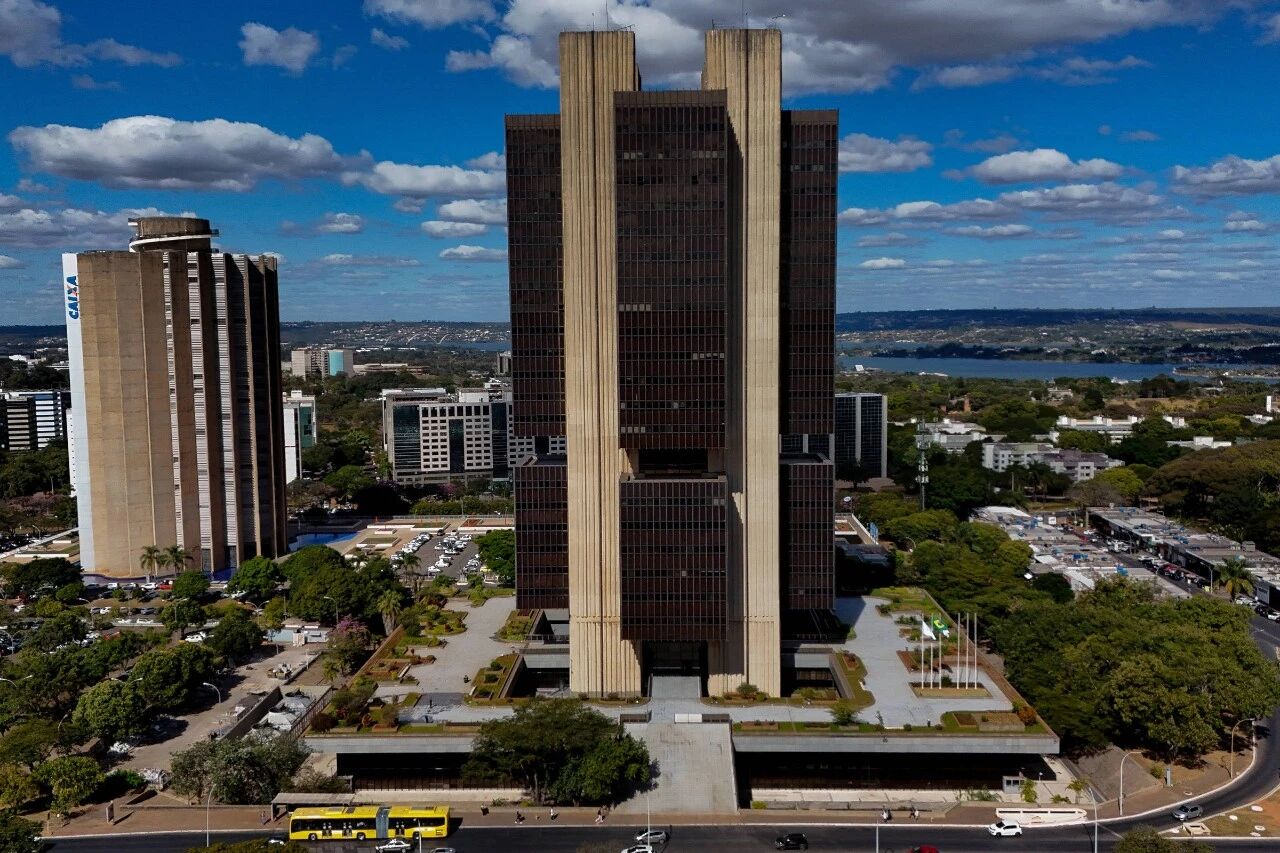
The Monetary Policy Committee (Copom) under the Central Bank of Brazil is set to convene this week to decide on adjustments to the country's benchmark interest rate, Selic. The financial market expects the benchmark interest rate to be reduced by 0.25 percentage points to 14.75%. This expectation is based on the "Focus Bulletin" released by the Central Bank on March 16, which summarizes financial institutions' forecasts for key economic indicators.
Currently, Brazil's benchmark interest rate stands at 15%, with interest rates being the primary tool for the Central Bank to maintain inflation within a manageable range. Despite recent declines in Brazil's official inflation rate and the USD/BRL exchange rate, at the last monetary policy meeting at the end of January, the Monetary Policy Committee kept the rate unchanged for the fifth consecutive time.
Brazil's current benchmark interest rate is at its highest level since July 2006 when it stood at 15.25%. In the meeting minutes, the committee confirmed that a rate cut would begin in March of this year if inflation remains under control and there are no unexpected changes in the economic situation. The decision meeting is scheduled to take place between March 17 and March 18.
Last week, the market had initially anticipated a 0.5 percentage point reduction in the benchmark interest rate for March, but this assessment changed due to an increase in inflation expectations. One significant reason for this change was the economic impact of the Iran conflict, particularly the pressure on future inflation caused by rising oil prices.
When the Central Bank's Monetary Policy Committee raises the benchmark interest rate, the aim is to curb overheated domestic demand in Brazil. Higher rates increase the cost of credit, encouraging savings and acting as a deterrent to prices, but it may also limit economic growth. Banks consider default risks, profits, administrative costs, and other factors when setting rates charged to consumers.
Conversely, when the benchmark interest rate decreases, the cost of credit typically becomes cheaper, stimulating production and consumption. While this can help drive economic activity growth, it may also weaken the extent to which it curbs price inflation.




China——Brazil Trajectory Tracking



+86 532-85066033/34






 中文简体
中文简体 ENGLISH
