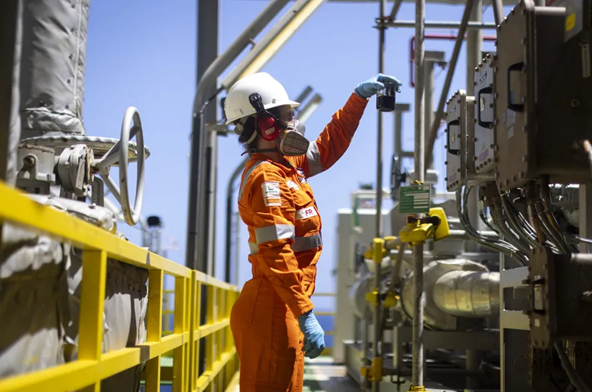
In 2025, Petrobras, the Brazilian national oil company, achieved its highest-ever oil and gas production, reaching nearly 3 million barrels per day, primarily attributed to the continuous progress in production from the pre-salt fields and the commissioning of several new offshore production platforms. This record operational performance drove a significant increase in exports, with the annual export volume also hitting a new high in the company's history.
According to data released by the company on February 10th, despite facing challenges such as planned maintenance shutdowns and natural decline in production from mature fields in 2025, Petrobras significantly exceeded its production targets, successfully replenishing its oil reserves. Key production data include: an average annual output of 2.99 million barrels of oil equivalent per day (an 11% year-on-year increase); a total production of 3.081 million barrels of oil equivalent per day in the fourth quarter of 2025; an 18.6% year-on-year production increase in the fourth quarter; pre-salt oil production accounting for 82% of the total; an average production of 2.45 million barrels of oil equivalent per day from pre-salt fields in 2025 (an 11.4% increase); the Búzios field exceeding 1 million barrels per day in October 2025; and Búzios having an installed capacity of approximately 1.15 million barrels per day.
Oil production slightly declined in the fourth quarter of 2025, mainly due to planned maintenance shutdowns of some production platforms in the Campos Basin (such as Marlim and Voador). This impact was partially offset by the increased production from two FPSOs (Floating Production Storage and Offloading units) in the Santos Basin—the "Almirante Tamandaré" and "Marechal Duque de Caxias." Additionally, the newly arrived P-79 oil production platform at the Búzios field is expected to add around 180,000 barrels per day of production capacity.
Despite achieving record-high production levels, Petrobras also achieved its best results in reserve replenishment in a decade in 2025: adding 1.7 billion barrels of oil equivalent in new reserves; a reserve replacement ratio (RRR) of 175%; and a proven reserves-to-production ratio of 12.5 years.
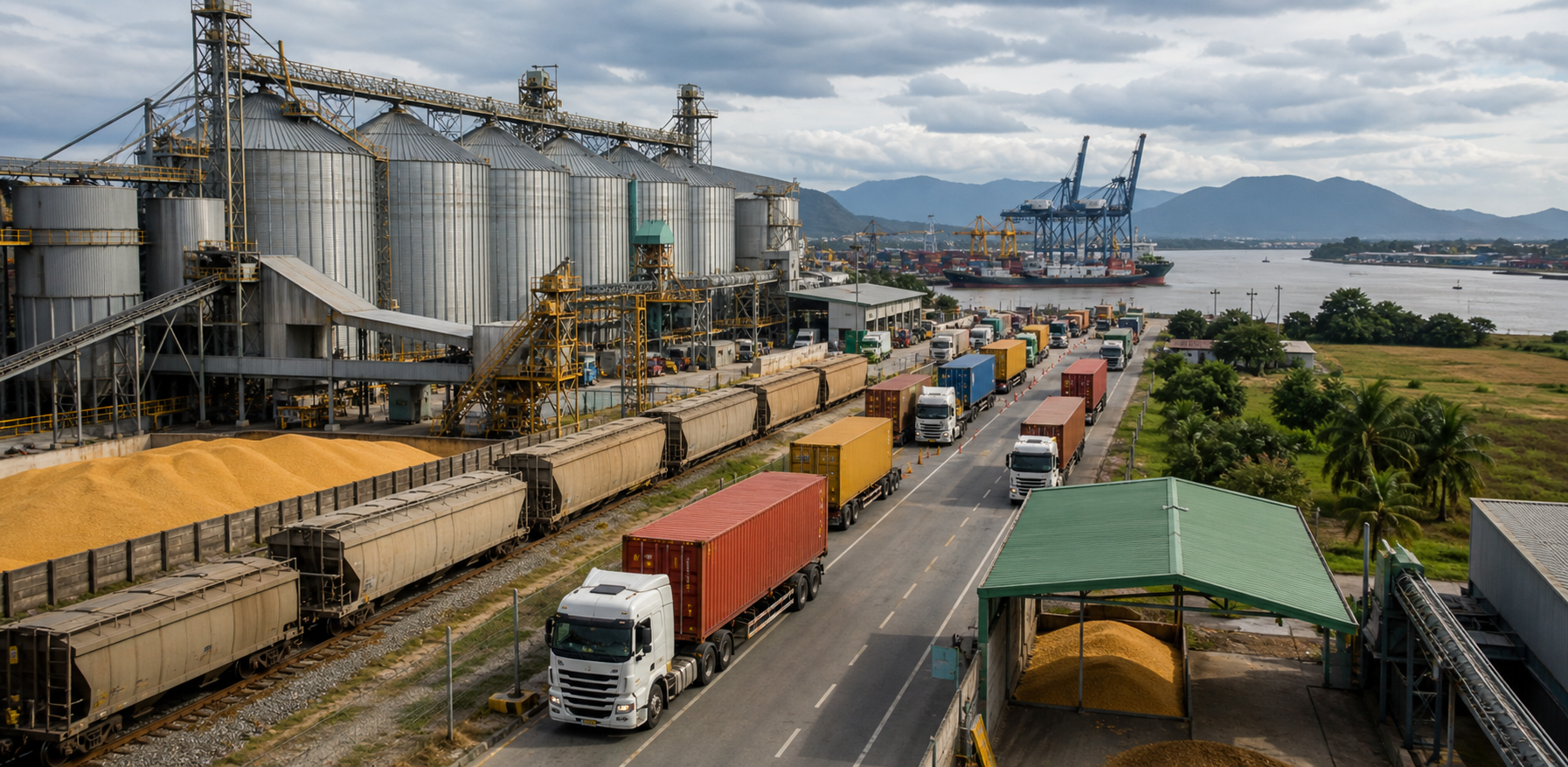
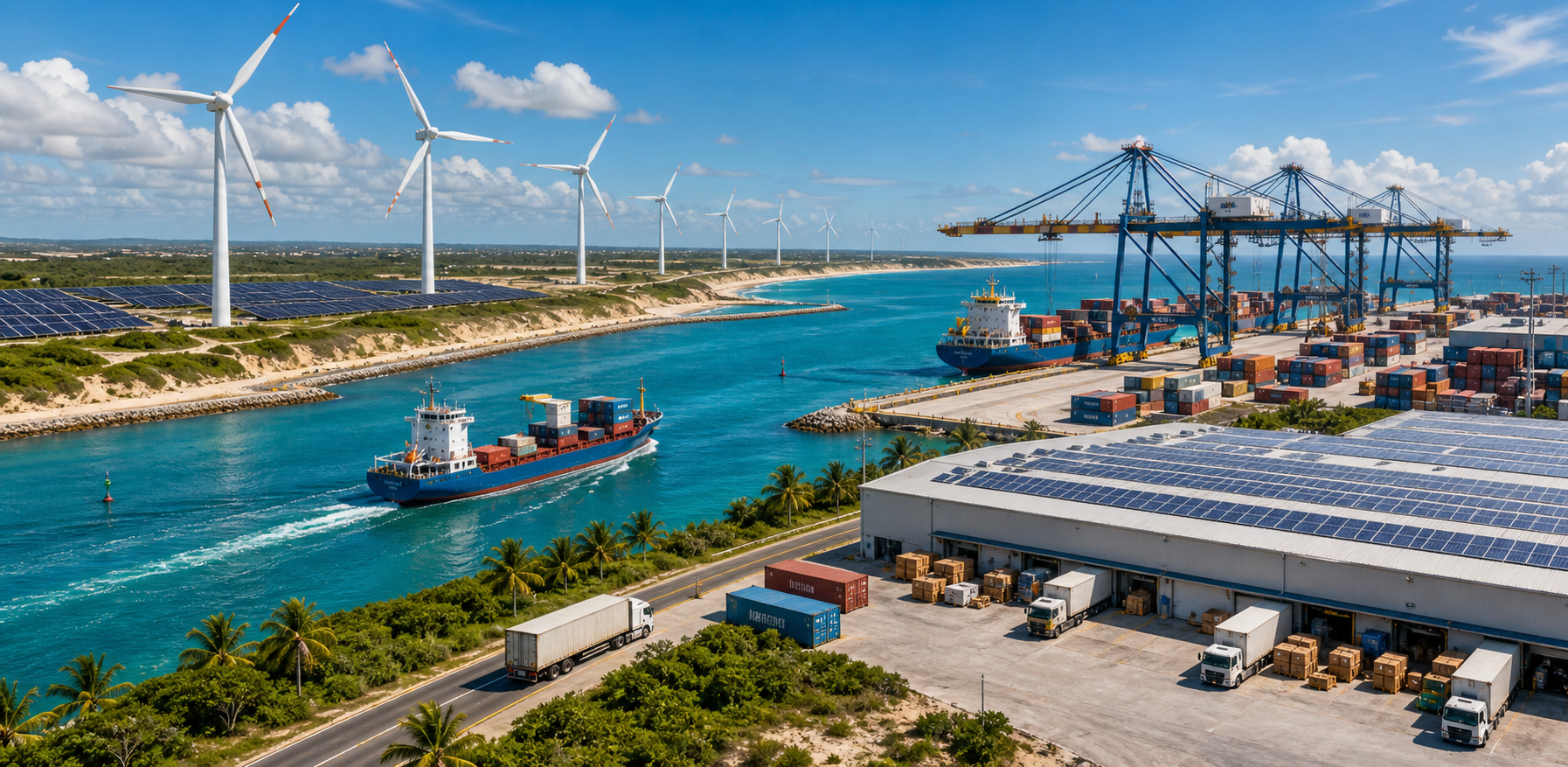
The growth in production directly led to an increase in crude oil exports, making 2025 a "historic year" for Petrobras and Brazil's oil trade balance. Statistical data shows that the average daily oil export volume in 2025 reached 765,000 barrels per day, with a yearly growth rate of 27%, and the export volume during the peak period in the fourth quarter of the previous year reached approximately 1 million barrels per day. China continued to maintain its position as the largest destination for Brazilian crude oil exports, accounting for 53% of Brazil's total oil purchases. In the last quarter of the year, Brazil's oil exports to India saw a significant increase, representing 12% of the total export volume, while the European export volume accounted for 13%. Petrobras stated that the achievements in production and export records were a result of operational efficiency improvements, logistics system optimizations, and the diversified layout of international market customer structures.





China——Brazil Trajectory Tracking



+86 532-85066033/34






 中文简体
中文简体 ENGLISH
