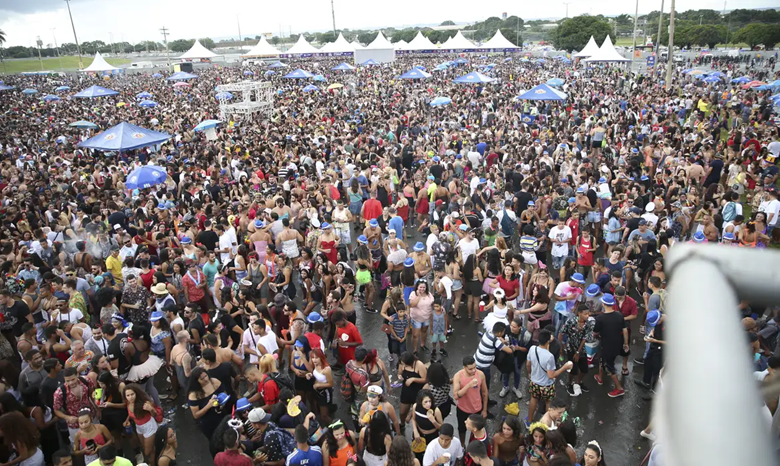
It is expected that the 2026 Carnival will further solidify São Paulo State's position as one of the country's primary tourist destinations during this holiday period. According to forecasts from the Tourism and Travel Department of São Paulo State (Setur-SP) under the Tourism Economic Intelligence Center (CIET), approximately 4.7 million visitors are expected to move around various locations in São Paulo State during the festival, representing a growth of about 4.75% compared to the 2025 Carnival. It is estimated that this will directly drive the economy to reach 7.3 billion Brazilian reais, with an average per capita spending of around 1543 reais, including expenses on accommodation, dining, transportation, shopping, and tourism services. These figures stem from CIET's research on the 140 municipalities in São Paulo State, which host significant Carnival activities.
The Tourism and Travel Department of São Paulo State stated, "The Carnival is a crucial period for driving tourism and economic development in São Paulo State. The relevant data underscores the diversity of our tourism products—not only limited to major cities but also encompassing the coastline, inland areas, and tourist towns, while also boosting employment, income growth, and promoting local cultural identity."
In addition to the economic impact, the survey also indicates that São Paulo State continues to make progress in sustainable development and cultural preservation. CIET pointed out that 88% of municipalities conduct public environmental awareness campaigns during the Carnival period, and 90% take measures to mitigate the festival's impact on the environment and historical cultural heritage. Key measures include increasing the number of trash bins in crowded areas, installing eco-friendly toilets, regulating the flow of people entering natural conservation areas or historical sites, and providing environmental education to participants. On the cultural front, 93% of municipalities stated that the Carnival is an essential tool for preserving, promoting, or protecting local cultural traditions.
With street parades, float processions, folk celebrations, and diverse activities, the São Paulo Carnival is increasingly solidifying its image of being inclusive, sustainable, and statewide. The São Paulo State Tourism Department believes that CIET's data once again highlights the importance of coordinated planning between the state and municipal governments to ensure a safe, responsible, and economically beneficial festival experience for residents, visitors, and the tourism industry chain.





China——Brazil Trajectory Tracking


+86 532-85066033/34






 中文简体
中文简体 ENGLISH
