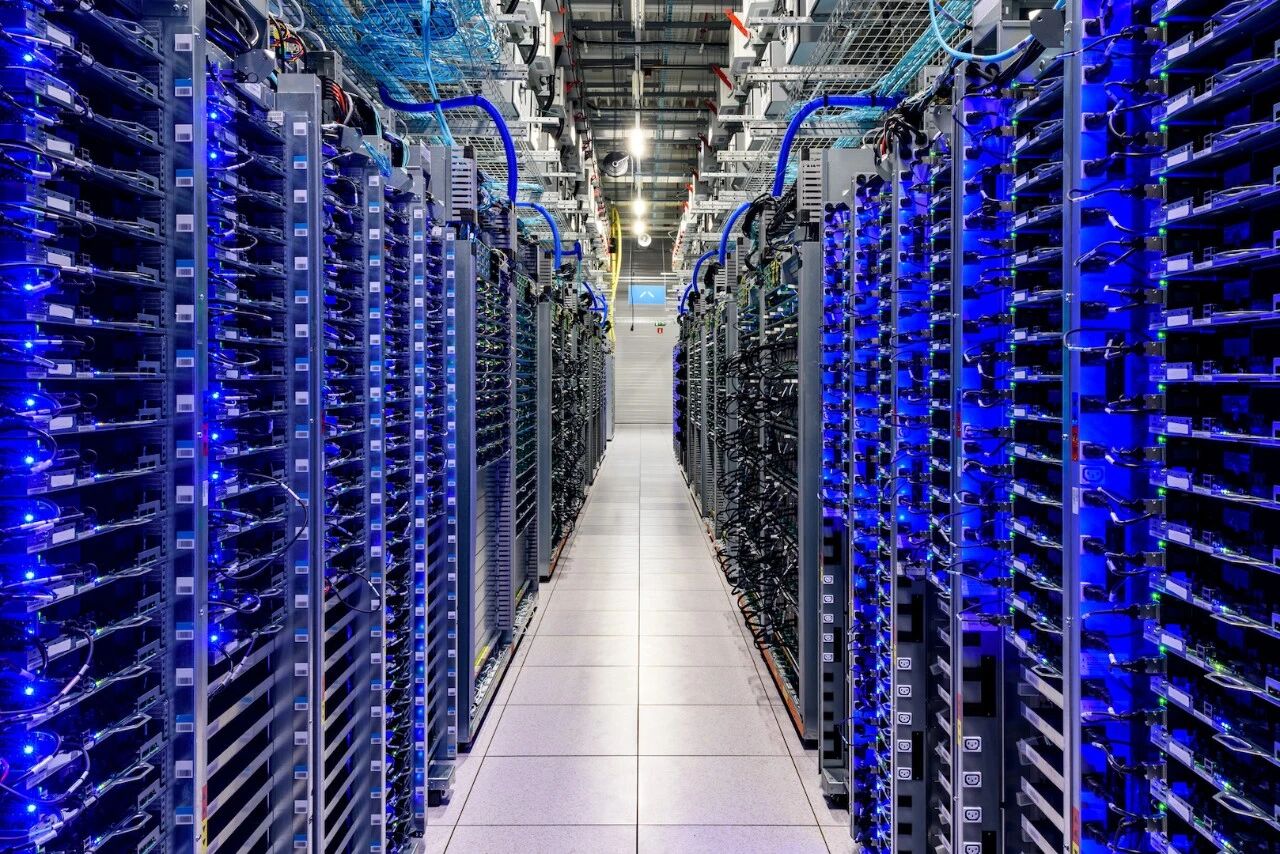
According to a report released by Moody's international credit rating agency, the size of the Brazilian data center market is expected to reach approximately $3 trillion in the next five years. The growth of this market is mainly driven by the continuous expansion of artificial intelligence, cloud computing, and digital services.
Currently, Brazil ranks 12th in the global data center standings and leads the Latin American market, with around 50% of the regional data center infrastructure concentrated in the country. There are currently about 200 data center projects nationwide, and it is estimated that they will attract investments ranging from 60 billion to 100 billion reais by 2029.
Data centers are core facilities for storing, processing, and distributing digital data and are crucial for streaming platforms, banking systems, social networks, public services, and artificial intelligence applications. As the demand for related services grows, the need for highly reliable, secure, and efficient infrastructure is also increasing.
The Brazilian Ministry of Communications points out that the performance of the Brazilian data center market is closely related to several structural advantages, including ample renewable energy supply, abundant water resources for equipment cooling, and the strategic geographical location's importance in international data flow, advantages that benefit from the underwater fiber optic cable networks connecting Brazil to other continents.
The Minister of Communications, Fábio Faria, stated: "Brazil has unique conditions to become a global hub for digital solutions and data center services." He noted that public policies are being developed to create a favorable regulatory environment for large-scale investments.
The Brazilian federal government is advancing the National Data Center Policy (Política Nacional de Data Centers), part of the "New Brazil Industry Plan" (Nova Indústria Brasil). This initiative aims to provide legal certainty, promote energy efficiency, encourage professional talent development, and integrate data centers into the national industrial chain system.
Furthermore, the federal government has established Redata (Special Tax Regime for Data Center Services) and allocated 5.2 billion reais in the 2026 budget to incentivize new data center projects, focusing on supporting regions with relatively weak digital infrastructure. The development of this industry is expected to promote the creation of high-skilled employment, drive technological advancements, and further elevate Brazil's position in the global digital economy.





China——Brazil Trajectory Tracking



+86 532-85066033/34






 中文简体
中文简体 ENGLISH
