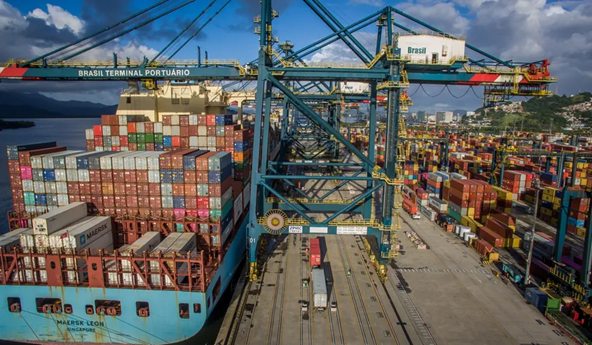
Protests have been ongoing in Iran for over ten days, with riots breaking out in several areas and resulting in casualties. On January 12th, U.S. President Trump announced a 25% tariff on countries maintaining trade relations with Iran. This measure has raised concerns about potential impacts on Brazilian trade, especially in the agricultural sector where exports to Iran play a dominant role. The Brazilian federal government stated that an official response will be made after the United States issues relevant executive orders. Despite Iran accounting for only 0.84% of Brazil's total exports, the trade volume between Brazil and Iran in 2025 is still close to $3 billion.
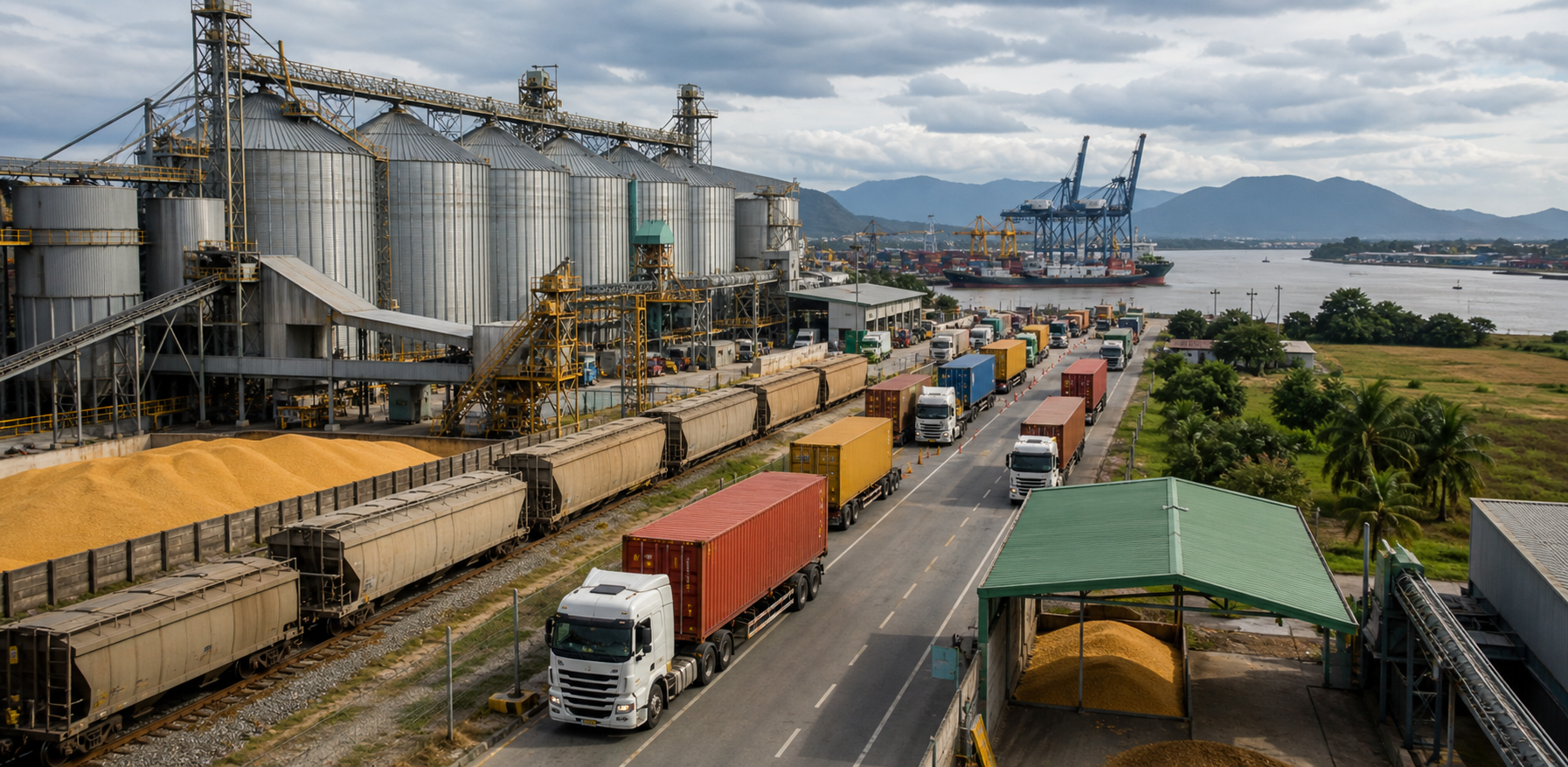
According to data from the Brazilian Ministry of Development, Industry, Trade, and Services (Mdic), Brazil's exports to Iran reached $2.9 billion last year, making Iran the fifth-largest export destination for Brazil in the Middle East. While Iran ranks 31st in Brazil's overall exports, it follows the United Arab Emirates, Egypt, Turkey, and Saudi Arabia in the Middle East region. Bilateral trade is primarily concentrated in the agricultural sector, with corn and soybean exports accounting for 87.2% of Brazil's exports to Iran in 2025. Corn exports hold a share of 67.9%, exceeding $1.9 billion, while soybean exports account for 19.3%, approximately $563 million. In recent years, trade relations between the two countries have fluctuated significantly, reaching a peak of $4.2 billion in 2022, followed by a decline until an increase again in 2024 and 2025. Import figures have shown more pronounced fluctuations, with a sharp decrease in 2023 followed by a slight recovery in 2024.




China——Brazil Trajectory Tracking



+86 532-85066033/34






 中文简体
中文简体 ENGLISH
