
According to reports, European Union member states voted on the 9th to approve the signing of the EU-Mercosur free trade agreement. Brazil, as one of the world's largest food-producing countries, is expected to be a major beneficiary of this agreement.
A report by the "G1" website stated that the Mercosur, composed of Argentina, Brazil, Paraguay, and Uruguay, will be signing the agreement next. According to the Argentine Foreign Ministry, this is expected to be completed by the 17th. Before the agreement can take effect, it will still need approval from the national congresses of South American countries.
Negotiations for the EU-Mercosur free trade agreement began in 1999 and were stalled after reaching a preliminary agreement in 2019. Upon the request of the European Commission, negotiations were reinitiated in 2024. The agreement was announced at the end of 2024, signifying the conclusion of the negotiation phase and entering the approval stage in various countries.
The agreement not only involves the agricultural sector, but agriculture has always been the most sensitive part of free trade negotiations. Some European producers have held protests multiple times, fearing that more competitive South American products entering the market would harm their interests.
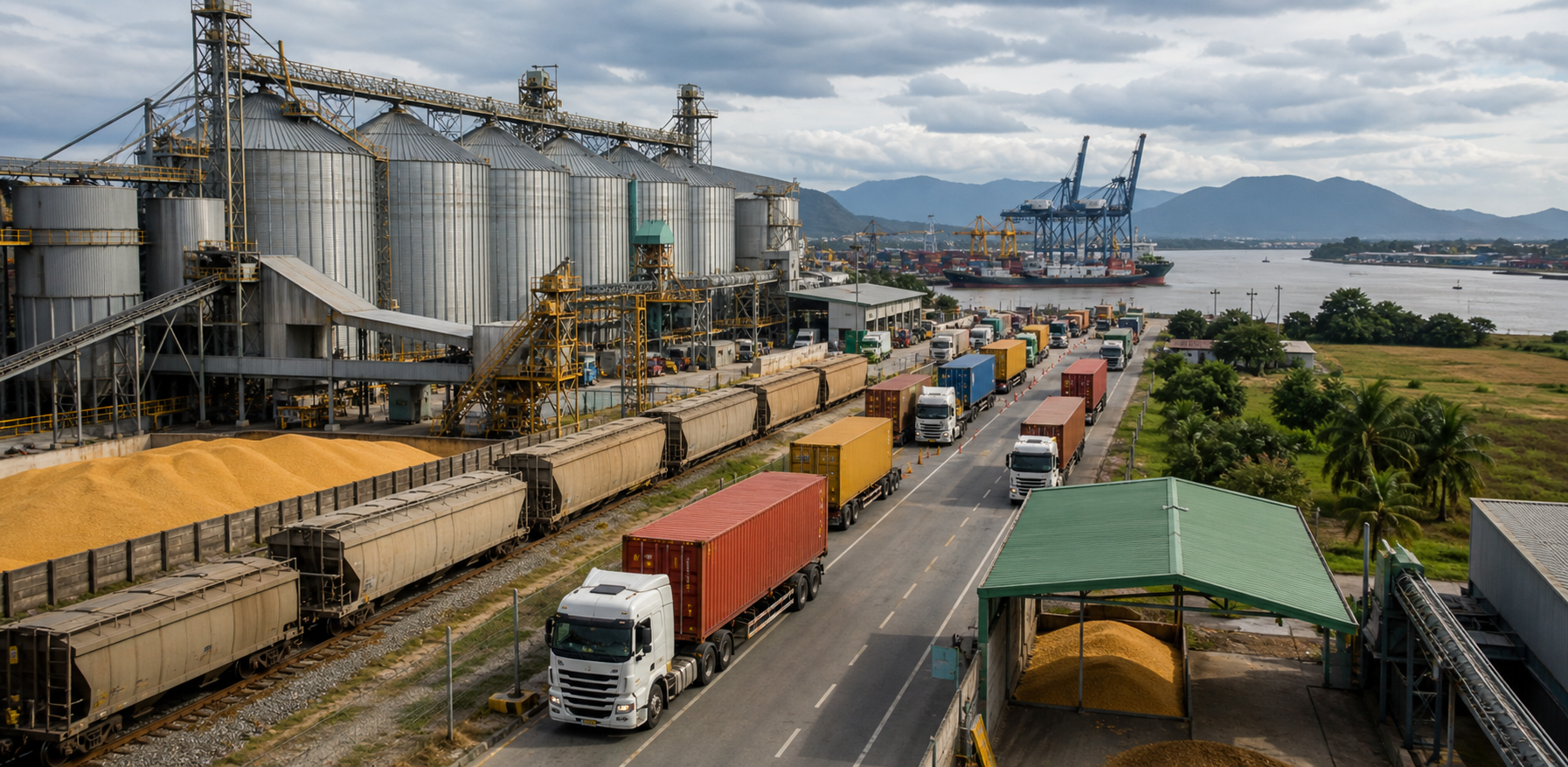
Brazil is seen as the primary beneficiary of this agreement as it is one of the world's largest food-producing countries. The EU has become the second-largest buyer of Brazilian agricultural products, following China and surpassing the United States.
Due to high tariffs imposed by former U.S. President Trump on American agricultural products, Brazil faced a significant decline in sales of U.S. agricultural products in 2025, making this agreement even more strategically significant for Brazil.
Under the agreement, it is expected that import tariffs on 77% of agricultural products imported from Mercosur by the EU will be eliminated. This will enable Brazil to increase sales of various products such as coffee, fruits, fish, shellfish, and vegetable oils, with European import tariffs gradually reducing to zero. Depending on the product, the tariff reductions will be phased in over 4 to 10 years.
Products like beef and poultry will have export quotas in place. European livestock farmers, particularly in France and Poland, are concerned about losing market share due to this and oppose the agreement. Currently, France leads in beef production in Europe, while Poland is a major producer of poultry. Brazil is the world's largest exporter of beef and poultry, consistently exporting these products at prices lower than its competitors.
The Brazilian Meat Exporters Association (Abiec) explained that currently, EU countries purchasing Brazilian beef must pay two types of tariffs. If the agreement is approved, these tariffs will be eliminated. Other types of beef have lower tariffs, plus an additional 221.1 euros per 100 kilograms. If the agreement comes into effect, Brazil will share new export quotas with other Mercosur member countries. Under the agreement, Brazil, Argentina, Uruguay, and Paraguay are collectively allowed to export up to 99,000 tons of beef products annually, with an initial tariff of 7.5%.
Sueme Mori, Director of International Relations at the Brazilian Agricultural and Livestock Confederation (CNA), believes that despite the relatively small quotas, this agreement elevates the level of trade relations between partners, making Mercosur a priority partner for the EU.
The EU-Mercosur agreement will also impact products such as coffee and poultry. Tariffs on Brazilian coffee and poultry entering the EU will gradually decrease to zero, promoting the sale of Brazilian products in Europe. Brazilian exporters to Europe can expect greater predictability and competitiveness.




China——Brazil Trajectory Tracking


+86 532-85066033/34






 中文简体
中文简体 ENGLISH
