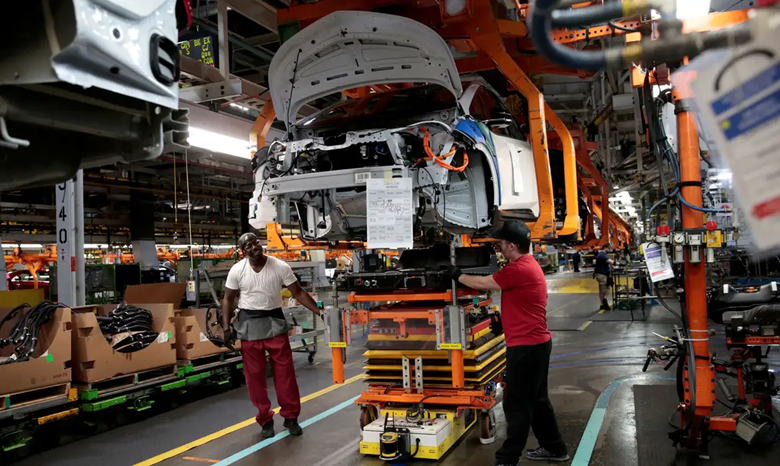
According to data released by the Austin Rating agency, Brazil is no longer among the top ten global economies in terms of Gross Domestic Product (GDP), falling to the 11th position. Russia has moved up from 11th to 9th place, while Canada has dropped from 9th to 10th place in the GDP rankings in USD.
Based on data compiled by Austin from the International Monetary Fund (IMF) report for the first half of this year, Russia is expected to surpass Italy and climb to the 8th spot in the global rankings soon.
In their report, Alex Agostini, Chief Economist at Austin, and economist Rodolpho Sartori stated, "The economies of Brazil, Canada, and Italy have not experienced a decline or deterioration. On the contrary, the Brazilian Real is strengthening, GDP growth expectations are improving, and the gap with Canada and Italy is narrowing. The Russian Ruble significantly appreciated in 2025, with an increase of over 39%."
In the third quarter of 2025, Brazil ranked 34th in GDP growth among 51 countries, according to statistical data.
Quarterly statistics released by the Brazilian Institute of Geography and Statistics (IBGE) showed that Brazil's GDP grew by 0.1% in the third quarter of 2025. During the same period, China (1.1%), Canada (0.6%), South Africa (0.5%), and France (0.5%) outperformed Brazil. Brazil's GDP growth in the third quarter was on par with the United Kingdom, Italy, and Angola.
IBGE data for the third quarter of 2025 revealed that the Brazilian economy grew by 0.1% compared to the previous quarter, reaching its highest level on record and a 1.8% increase compared to the same period in 2024. Over the last four quarters, GDP has grown by 2.7%, with a 0.1% quarterly increase seen as "stable." Brazil's GDP reached 3.2 trillion reais in the third quarter.
Regarding sector performance, from the second quarter to the third quarter, the industrial sector showed the most significant growth (0.8%), followed by agriculture (0.4%), while the services sector remained relatively stable (0.1%).
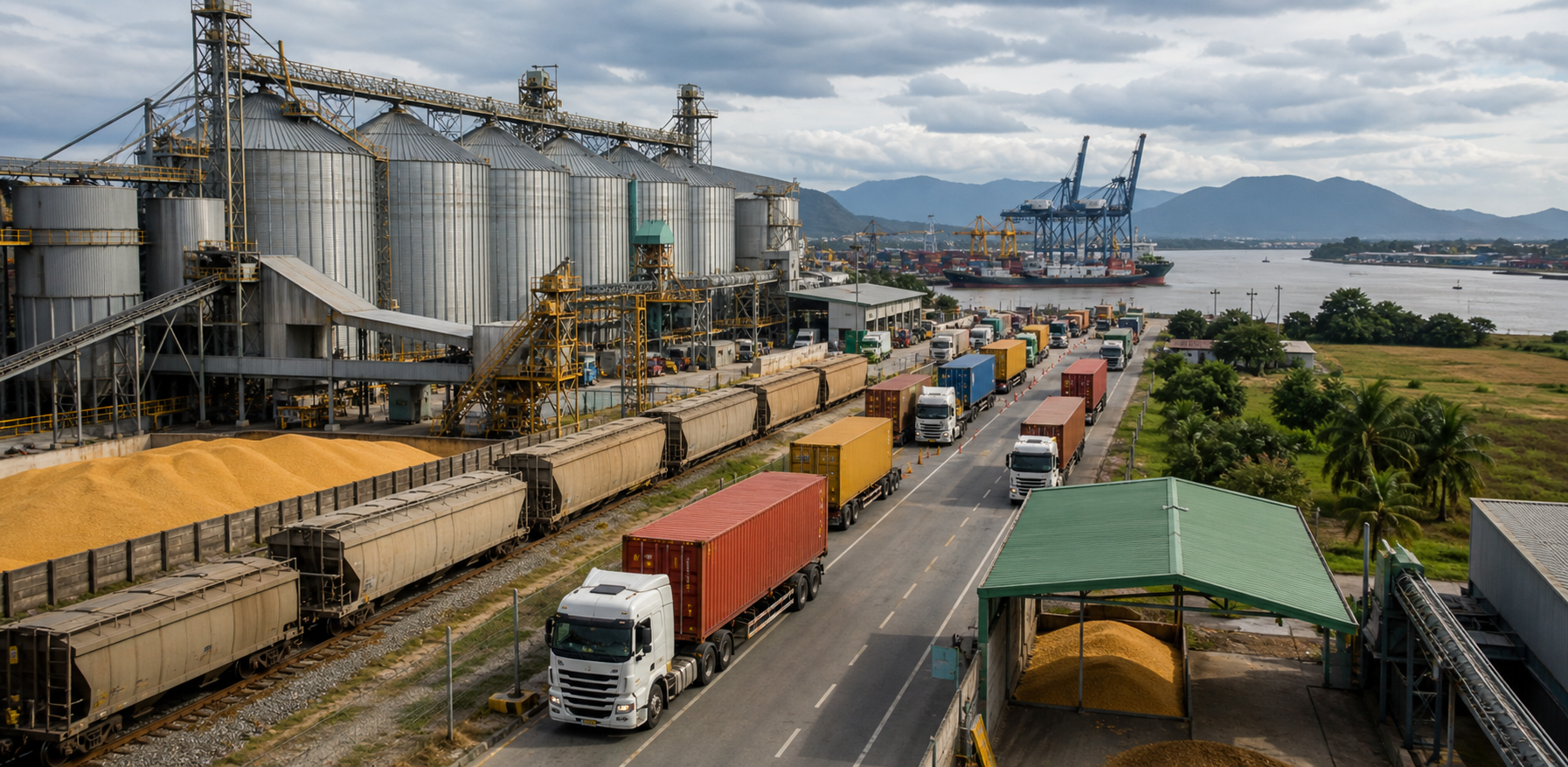
Within the services sector, transportation, storage, and postal services grew by 2.7%, information and communication by 1.5%, and real estate activities by 0.8%. Analyst Claudia Dionísio noted that the transportation sector's strong performance stemmed from growth in mining and agricultural exports.
Retail trade in the services sector grew by 0.4%. In the industrial sector, mining grew by 1.7%, construction by 1.3%, manufacturing by 0.3%, while activities in electricity, gas, water, wastewater treatment, and waste management decreased by 1.0%.
On the demand side, household consumption grew at a similar rate to before, government consumption by 1.3%, gross fixed capital formation by 0.9%, exports by 3.3%, and imports decreased by 0.3%. Agriculture, services, and household consumption reached historic highs, while industry remained below its peak in 2013 by 3.4%.
IBGE data indicated a slowdown in Brazil's economic growth. In the first quarter of 2025, the economy grew by 1.5% compared to the previous quarter, dropping to 0.3% in the second quarter, and further decreasing to 0.1% in the third quarter. Claudia Dionísio pointed out that tight monetary policy is the main reason for the slowdown in Brazil's economic growth, as the high-interest rate environment has affected growth across multiple industries, including manufacturing, investment, and household consumption related to financing credit. However, a flourishing job market, increased worker incomes, and partial offsetting of the negative impacts of austerity policies by social welfare programs have helped alleviate the effects of the contractionary policy.




China——Brazil Trajectory Tracking


+86 532-85066033/34






 中文简体
中文简体 ENGLISH
