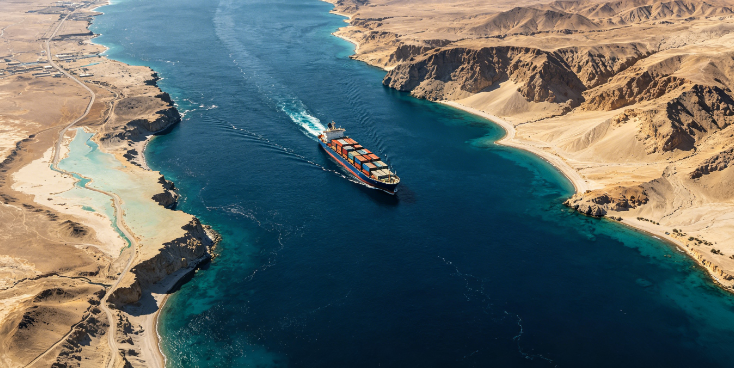
Following an order by U.S. President Donald Trump, the U.S. military has launched a maritime blockade against Iran. Iran promptly issued a stern warning, threatening that all ports in the Persian Gulf and Gulf of Oman would be at risk if the security of its own ports was threatened. Meanwhile, the international community has called for the restoration of freedom of navigation through the Strait of Hormuz and urged both Washington and Tehran to continue ceasefire negotiations.
U.S. Central Command (CENTCOM) announced that effective 10 a.m. ET on April 13, a full blockade would be imposed on all maritime traffic to and from Iranian ports. The measure applies to vessels of all nations and covers all Iranian ports along the Persian Gulf and Gulf of Oman. However, ships traveling to non-Iranian ports will still be permitted to transit the Strait of Hormuz. According to the notice, U.S. forces will enforce the blockade in relevant waters of the Gulf of Oman and the Arabian Sea. Vessels entering the zone without authorization may be intercepted, diverted, or even seized.
Shortly after the blockade took effect, Trump further warned on social media that any Iranian naval fast boats approaching the blockade line would be destroyed immediately. He added that he had not previously targeted such vessels because their threat was limited.
Analysts believe the move is intended to cut off Iran's oil export revenues and pressure its major buyers, forcing Tehran to alter its stance on the Strait of Hormuz. In a media interview, Trump stated he still believed Iran would continue negotiations and ultimately concede.
Iran has strongly condemned the move, calling the U.S. blockade "absurd and unacceptable". A spokesperson for the Iranian military denounced U.S. restrictions on navigation in international waters as "piracy", emphasizing that security in the region "belongs to all nations or to none". Iran reiterated it will continue to control the Strait of Hormuz: hostile vessels will be denied passage, while other ships must comply with its regulations.
The current situation has again put the fragile ceasefire prospects under strain. Multiple parties are pushing for diplomatic mediation. Mediators from Pakistan, Egypt, and Turkey are reportedly set to engage with both sides in the coming days to narrow differences and push for a new round of talks before the ceasefire agreement expires.
Pakistani Prime Minister Shehbaz Sharif stated he is actively pursuing diplomatic de-escalation. On the European front, French President Emmanuel Macron announced he will co-launch a multilateral conference on shipping security in the Strait of Hormuz with the UK, expecting over 40 nations to participate. The meeting will focus on post-conflict maritime security mechanisms. Macron stressed the initiative is defensive in nature, not targeted at any party, and will be implemented as soon as conditions allow.





China——Brazil Trajectory Tracking



+86 532-85066033/34






 中文简体
中文简体 ENGLISH
