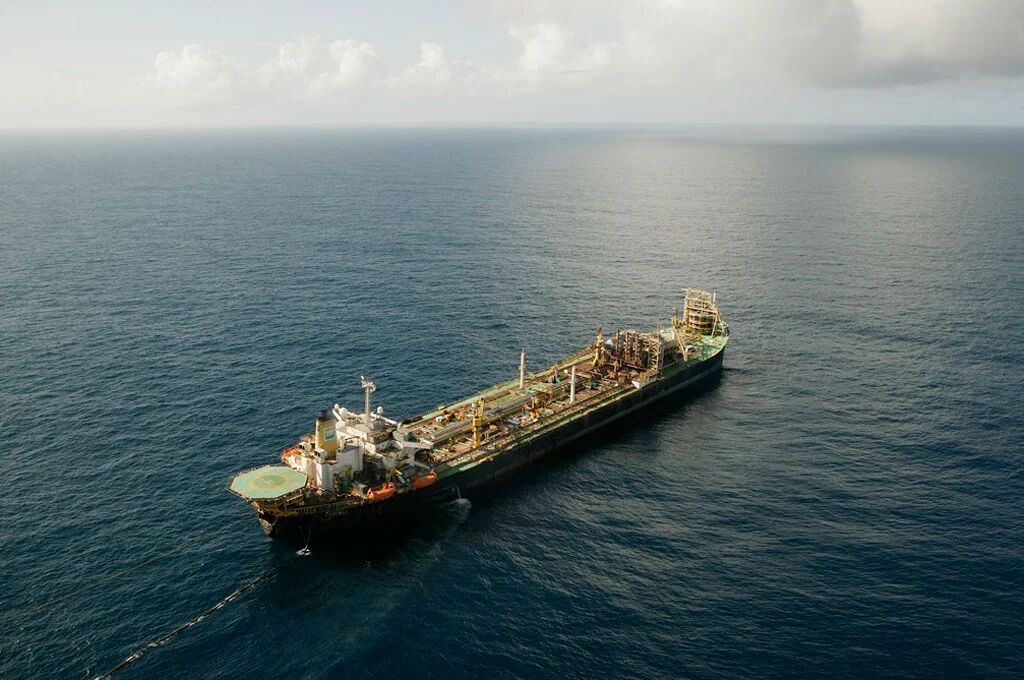
In the first quarter of this year, Brazil’s oil exports to China surged, doubling compared with the same period in 2025, becoming a key driver of growth in bilateral trade. Affected by tensions in the Middle East, March oil exports to China hit a monthly record high since records began in 1997.
According to the Brazil‑China Business Council (CEBC), Brazil’s total exports to China reached US$23.9 billion in Q1, up 21.7% year‑on‑year, setting a new historical high for the period. Imports from China totaled US$17.9 billion in the same period, with electric vehicles (including hybrids and battery‑electric models) accounting for US$1.23 billion, also showing strong performance.
By product, oil exports stood out prominently. Brazil’s crude oil exports to China reached **US$7.19 billion** in Q1, up 94% from US$3.7 billion a year earlier. In volume terms, exports totaled 16.5 million metric tons, surging 122% year‑on‑year and accounting for 30% of Brazil’s total exports to China in the period. China’s share of Brazil’s crude oil exports continued to rise, reaching 57% in Q1 and climbing to 65% in March.
Analysts note that this upward trend emerged early in the year and strengthened further amid the escalation of the Middle East conflict and disruptions to shipping in the Strait of Hormuz.
Túlio Cariello, Director of Content and Research at CEBC, stated that geopolitical tensions are pushing China to accelerate the diversification of its energy supply. Against the backdrop of stable bilateral relations, Brazil is increasingly seen as a reliable oil supplier and continues to attract Chinese investment.
Indeed, prior to the development of Brazil’s pre‑salt oil fields, China National Petroleum Corporation (CNPC) and China National Offshore Oil Corporation (CNOOC) had already participated in bids for local oil and gas blocks. In recent years, Chinese companies have further expanded their presence, including involvement in the development of emerging oil and gas areas such as the Equatorial Margin, regarded as a major future energy growth frontier for Brazil.
Cariello noted that stable Brazil‑China relations at the political, geopolitical and economic levels give Brazil long‑term cooperative value in China’s energy strategy.
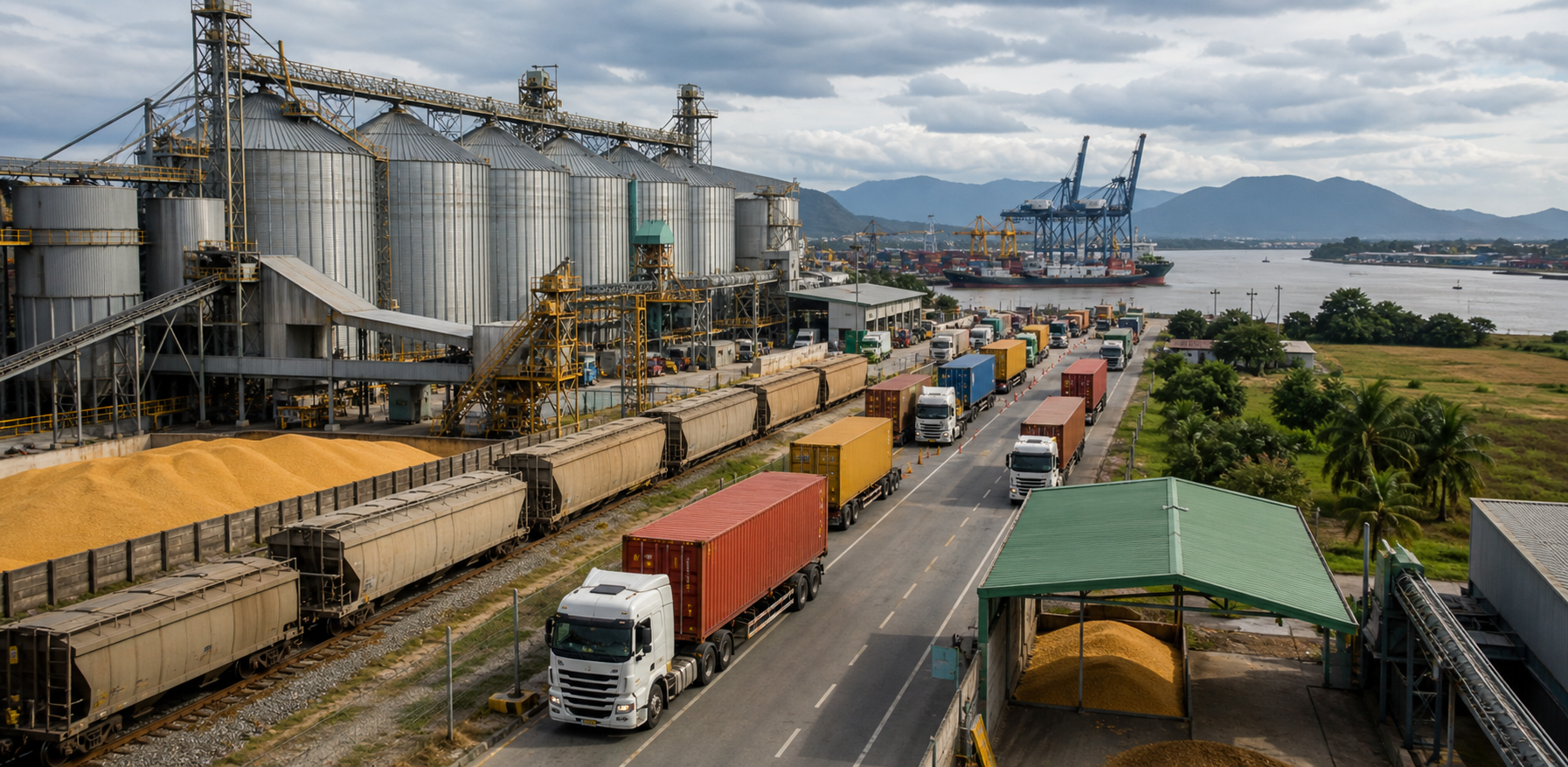
Beyond oil, soybeans and iron ore remain key pillars of Brazil’s exports to China. Despite fluctuations in export volumes, overall export values rose, supported by higher international prices.




China——Brazil Trajectory Tracking



+86 532-85066033/34






 中文简体
中文简体 ENGLISH
