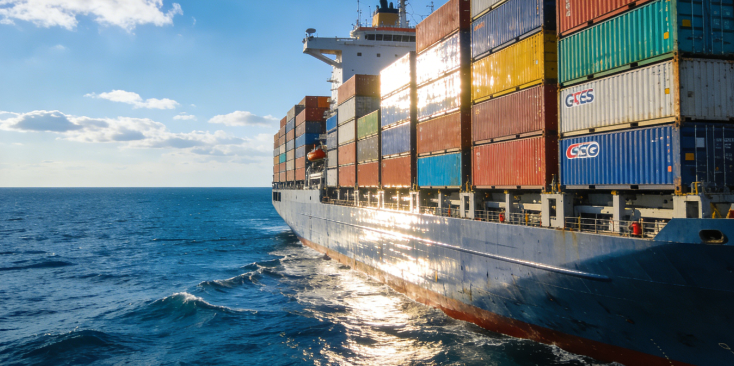
According to Taiwan media reports, following a joint U.S. and Israeli attack on Iran on February 28, Iran took full control of the strategically vital Strait of Hormuz the next day, causing a disruption in the passage of numerous cargo and bulk carrier ships. Some vessels even faced armed attacks, severely impacting oil exports in the Persian Gulf and global energy prices.
As per Iranian media reports on March 19, Iran is considering imposing tolls and a "security tax" on commercial ships passing through the Strait of Hormuz. This move aims to not only increase revenue for the national treasury but also to demonstrate Iran's strength and alter its position.
Combining reports from Reuters, Al Jazeera, and London-based Persian-language TV channel "Iran International," parliamentarian Somayeh Rafiei revealed that the parliament is deliberating on a draft bill to levy transit fees on vessels passing through the Strait of Hormuz.
If the bill is passed, countries transporting energy and engaging in trade through the Strait of Hormuz will be required to pay transit fees and taxes, such as a "security tax," to Iran.
The Strait of Hormuz holds significant importance in the Persian Gulf, with approximately 20% of global oil and liquefied natural gas exports passing through it, making it one of the world's most crucial maritime chokepoints.
Since the onset of hostilities, Iran has been obstructing the passage of ships from hostile nations, the U.S., and Israel through the Strait of Hormuz, effectively blockading this vital waterway and significantly affecting the global energy market and international trade.
Rafiei disclosed that the purpose of this bill is to designate the Strait of Hormuz as a "safe passage" for shipping, energy transport, and food supply chains of all nations, with costs to be borne by the Iranian government.
This move aims not only to benefit the Iranian government from the busy waterway but also to exert sanctions on Western nations.
According to Iran's Mehr news agency, Mohammad Mokhber, an advisor to Iran's top leader, revealed that one of the most significant opportunities arising from this conflict is for Iran to redefine its role in the Strait of Hormuz. Post-war, Iran plans to establish a new system to manage the Strait of Hormuz, restricting maritime transport of countries imposing sanctions on Iran.
Mokhber stated, "By utilizing the strategic position of the Strait of Hormuz, we can impose sanctions on the West by prohibiting their ships from passing through this waterway, transforming Iran from a sanctioned entity to a powerful regional and global influencer."
Al Jazeera reported that in the 20 days since the start of the joint U.S.-Israeli military actions, over 1,400 people have died in Iran, including former top leader Hamanei, who died in a major airstrike in Tehran. Israel also conducted heavy artillery shelling in Lebanon, resulting in 968 deaths. In Israel, 17 people have also lost their lives.
The latest developments indicate a further escalation in tensions. Israel attacked Iran's largest gas field, South Pars, on the 18th, one of Iran's vital energy facilities, leading to a rise in natural gas and oil prices.
Subsequently, Iran launched attacks on energy infrastructure in the Persian Gulf region, affecting facilities in Qatar and Saudi Arabia once again. The local oil and gas production and transportation faced threats from the ravages of war.
The response from Arab countries has been more intense, with the Saudi Foreign Ministry stating that Iran's pressure tactics will backfire politically and morally, and Saudi Arabia reserves the right to take military action when necessary.




China——Brazil Trajectory Tracking


+86 532-85066033/34






 中文简体
中文简体 ENGLISH
