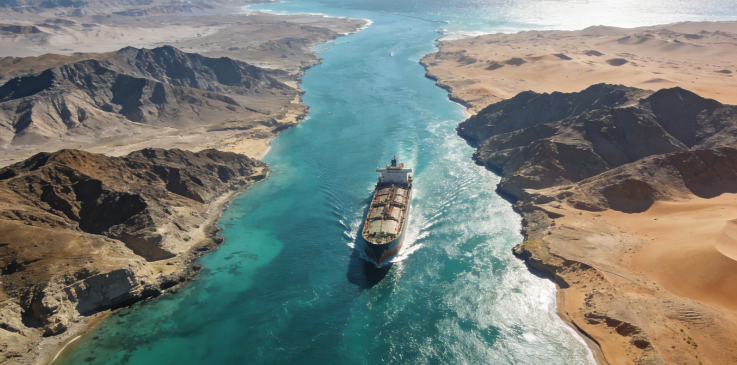
Foreign media reports indicate that 26-year-old Indian seafarer Ambuj has been stranded in Iran's Bandar Abbas port for two weeks. Surrounding the area are drones and missile attacks on ships, and he has not been able to return home for six months, eagerly hoping to reunite with his family.
Ambuj is one of approximately 23,000 Indian seafarers working on merchant ships, ports, and vessels near the Gulf, an area heavily affected by the conflicts between Iran, the United States, and Israel.
Hundreds of oil tankers and cargo ships have been waiting outside the Strait of Hormuz for passage, with the war conflict resulting in the deaths of three Indian sailors and several crew members going missing.
The Indian government is coordinating with Iranian authorities to ensure the safety of the crew members.
In a phone call, Ambuj stated, "We are well aware of how dangerous it can be to sail without permission." His ship, along with 15 other crew members, is stranded, with over 50 vessels stuck around them.
"Our company has given us leave, and now we are waiting for the opportunity to return safely because all flights departing from Tehran have been suspended. If we are allowed to go to the Middle East or nearby areas, we will dock there and take the first flight home as soon as possible."
Ambuj revealed that their ship was initially planned to go to a Southeast Asian country, but in early March, the captain received a warning from Iran's Islamic Revolutionary Guard Corps, stating that crossing the Hormuz Strait would lead to unbearable consequences, causing panic among the crew members.
The crew has been awaiting permission to sail but has not yet been approved. Ambuj mentioned that they have to accept the reality of possibly being stranded for days or even weeks.
According to government data, India is the world's third-largest supplier of seafarers, with over 300,000 Indian seafarers working in the global maritime fleet.
On a ship headed to India, crew member M. Kata stated that they witnessed drones and fighter jets flying overhead, feeling their lives were at risk, especially after the Iranian authorities cut off the internet in early March.
"We saw a ship in the distance catching fire and received alert messages over the radio." he said.
"After March 6, we were allowed to reconnect to the network... we could contact our families and receive confirmation messages. Every time we see or hear drones or fighter jets, our hearts sink."
For safety reasons, Kata mentioned that his company and relevant authorities in India and Iran have requested crew members not to disclose details about the ship or its location.
Another crew member stated that their ship was loading asphalt and crude oil bound for South Asian countries. When they were just a few nautical miles from the Strait of Hormuz, he witnessed a ship being attacked by drones.
"My recent hobby is identifying the planes, jets, or drones we can see from the ship. Sleep is difficult, and anxiety is strong." the crew member expressed.
Iran allowed two Indian LPG transport ships to pass through the Strait of Hormuz. Indian Ambassador to Iran Mohammed Fatemi confirmed that the Indian ships have safely passed through.






China——Brazil Trajectory Tracking



+86 532-85066033/34






 中文简体
中文简体 ENGLISH
