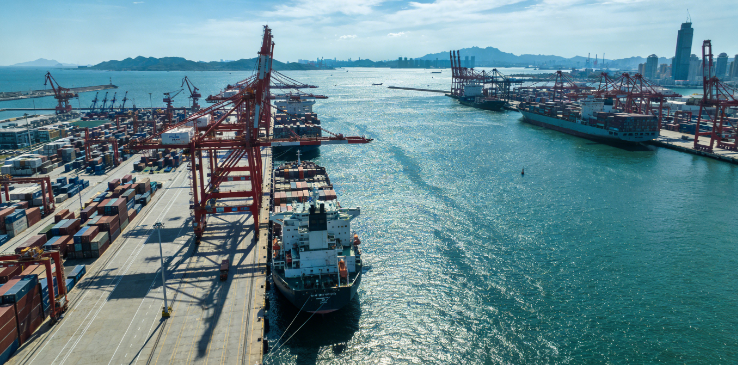
As an important hub for foreign trade in northern China, the operational efficiency and level of specialization of Qingdao's logistics system are directly related to the economic vitality of the Bohai Sea region and even broader hinterlands. Supported by port facilities, multimodal transportation networks, and specialized service markets, Qingdao has built a well-structured and interconnected foreign trade logistics ecosystem that links the sea and land. Among these, the specialized group of freight forwarders in Qingdao plays a crucial role as key micro-entities in ensuring the smooth operation of the system, with their service capabilities and market adaptability profoundly influencing the overall performance of the supply chain.
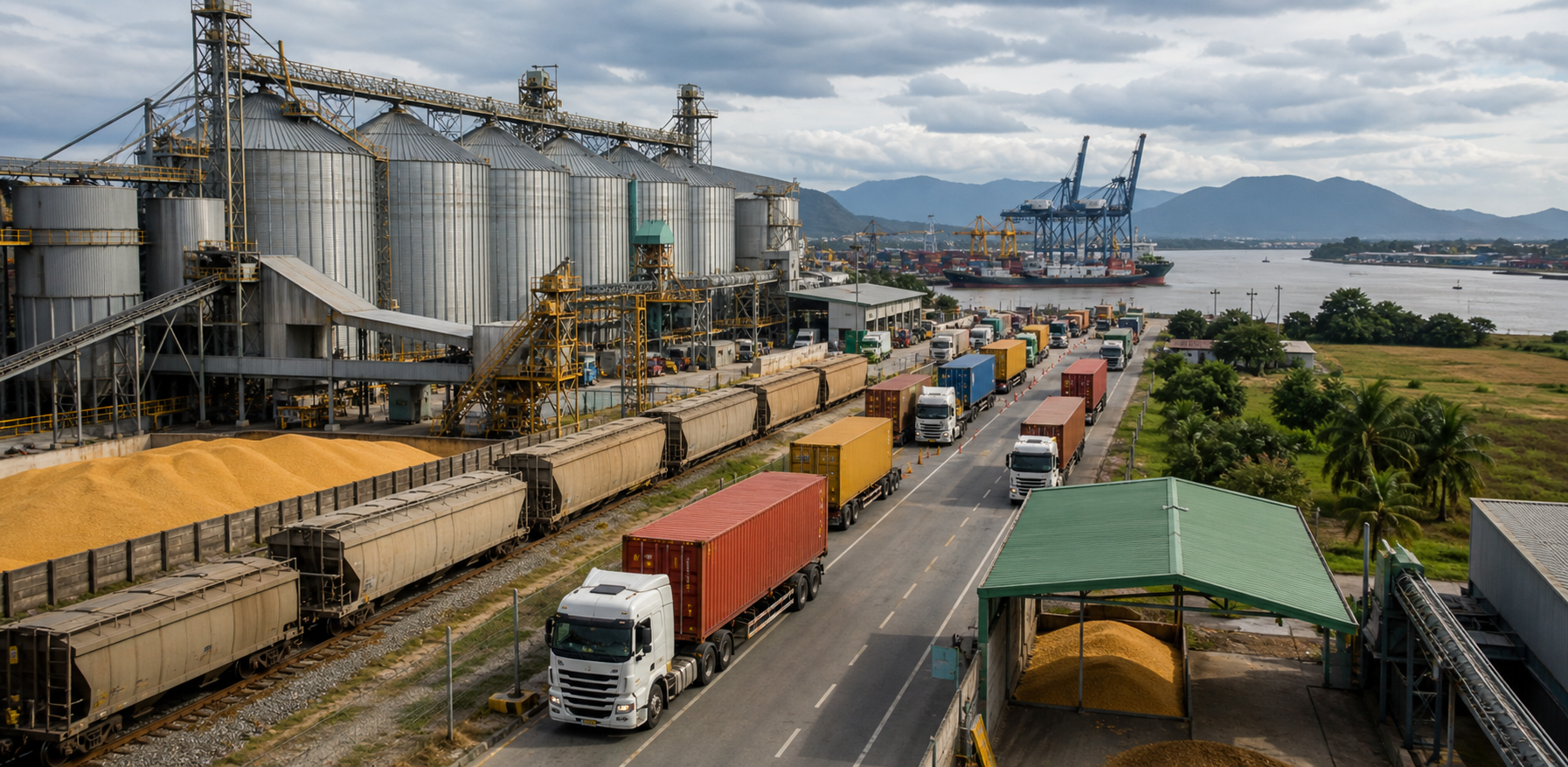
The port has always been the core engine of foreign trade logistics in Qingdao. Leveraging its natural deepwater conditions and continuous infrastructure investments, Qingdao Port has evolved into a leading comprehensive port globally. Specialized terminal clusters for containers, crude oil, iron ore, and grains, provide efficient, low-loss handling and storage services for various types of import and export commodities. The continual optimization of port operations efficiency, such as gate automation, intelligent yard scheduling, and increased vessel berthing rates, establishes a solid foundation for the efficient connection of front-end logistics consolidation and international maritime shipping. This allows various logistics service providers, including Qingdao freight forwarding companies, to design customer solutions based on a stable and efficient physical platform.
The specialization and division of labor in the foreign trade logistics service market in Qingdao is becoming increasingly mature. Qingdao is home to a large number of international freight forwarders and logistics companies of varying sizes and specialties. The scope of modern Qingdao freight forwarding services has expanded from traditional booking and customs clearance operations to high-value-added areas such as supply chain consulting, inventory management, and designing cross-border multimodal transportation solutions. This evolution stems from changes in market demand: foreign trade enterprises no longer seek singular transportation services but require comprehensive logistics partners who can integrate maritime, air, railway, and domestic distribution resources, while navigating international trade rules, customs policies, and exchange rate fluctuations. Leading Qingdao freight forwarding companies have enhanced their service responsiveness and reliability significantly through deep digitalization, achieving the visualization of customer supply chains and the automation of processes.
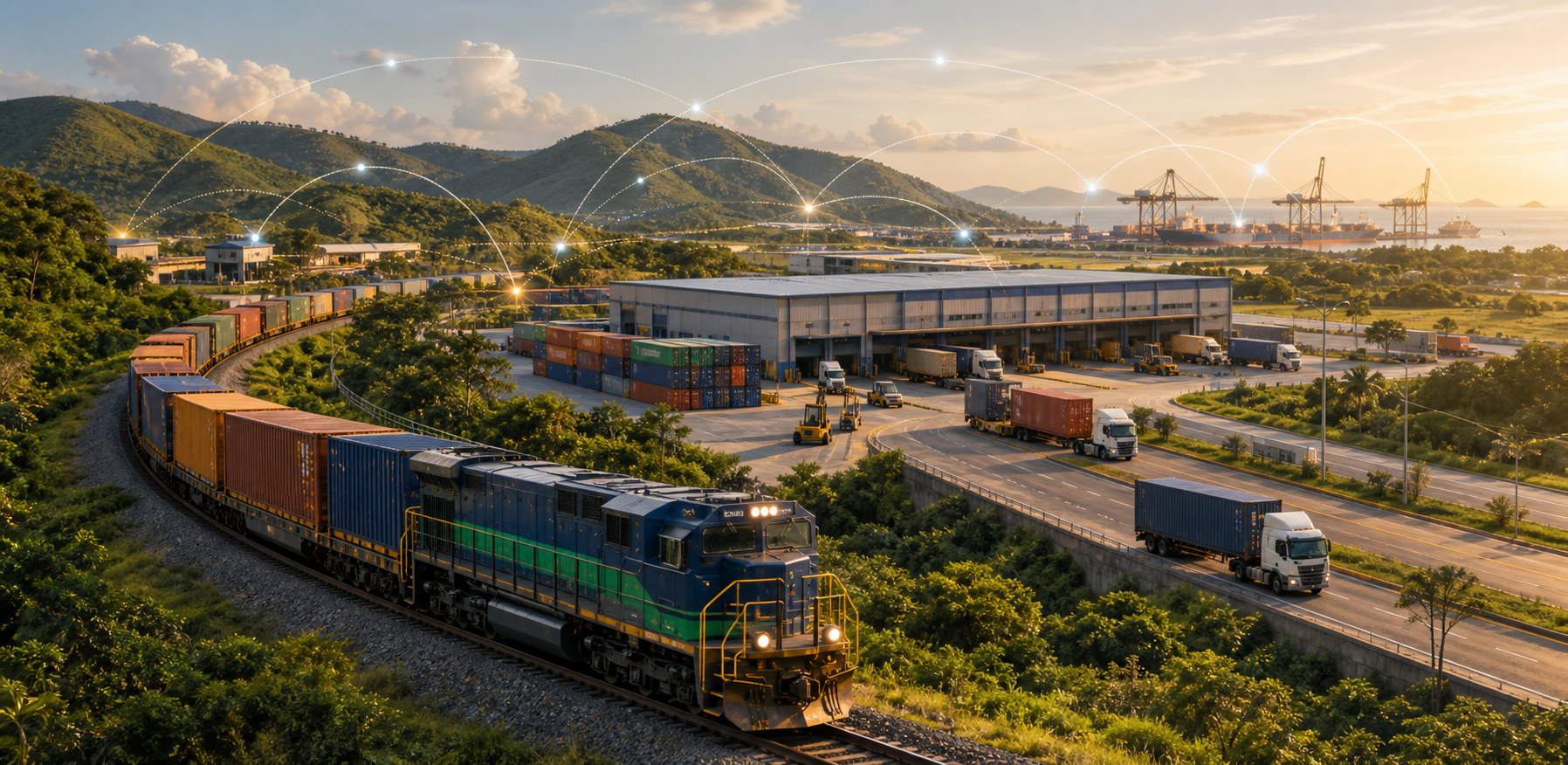
The development of multimodal transportation systems strengthens Qingdao's logistics hub radiance. The maturation of the "sea-rail intermodal" model has extended the hinterland range of Qingdao Port from the Shandong Peninsula to the Central Plains and even to Central Asia. Through main railway lines such as the Jiaozhou-Jinan and Qingdao-Lianyungang lines, container goods can achieve efficient connectivity from port to factory, placing higher demands on the resource integration and route planning capabilities of Qingdao freight forwarding companies. The ability to design cost-effective and time-efficient "door-to-door" solutions becomes a crucial measure of their professional standards. Additionally, the establishment of fast sea-air routes to Japan and South Korea and dedicated cross-border e-commerce logistics lines further enrich the service product matrix of Qingdao's foreign trade logistics.
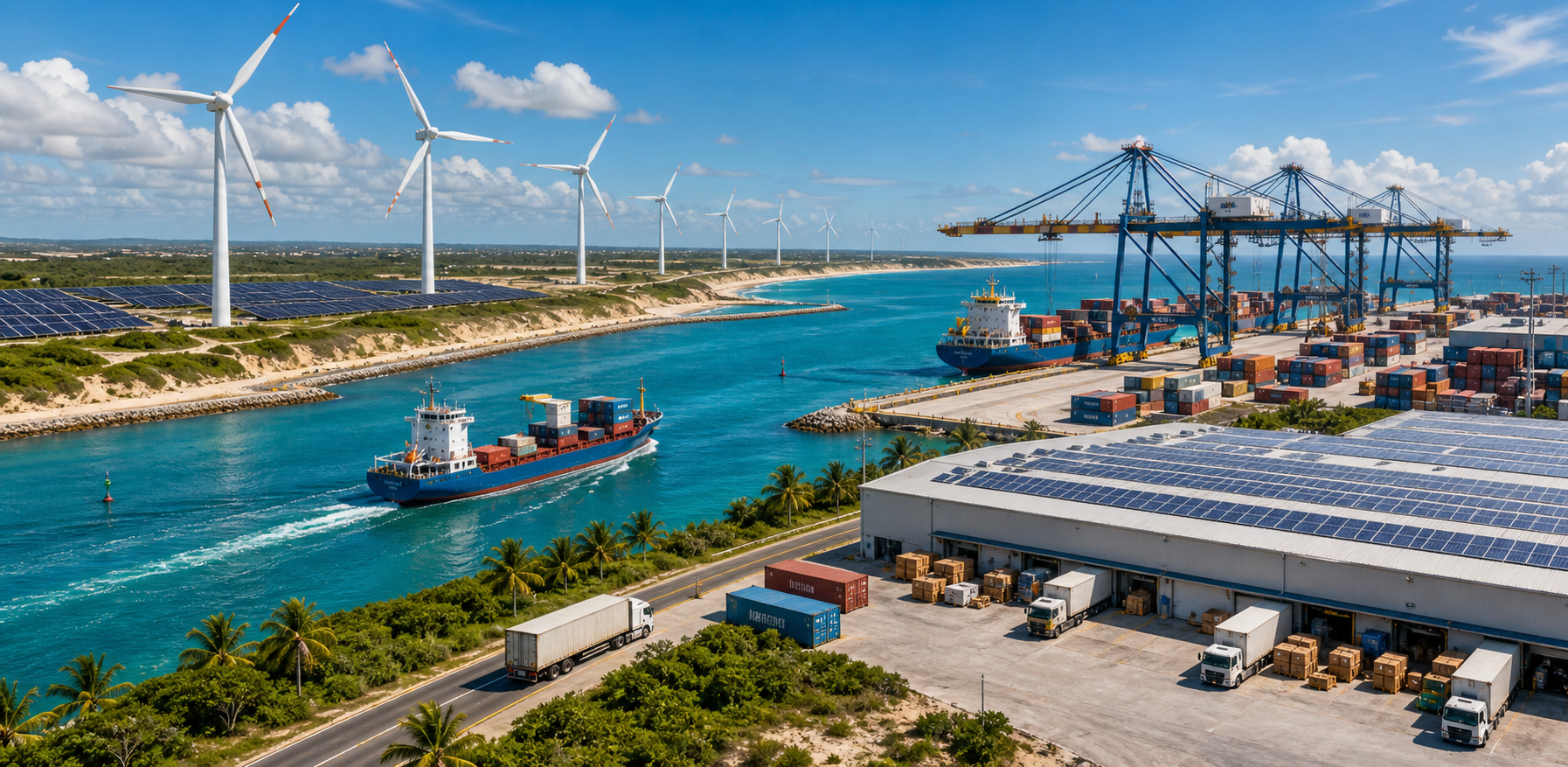
However, the foreign trade logistics system in Qingdao also faces several structural challenges. The uncertainties in the global shipping market and increased competition among regional ports require Qingdao Port and its service ecosystem to continually enhance their resilience. For the Qingdao freight forwarding industry, there is an urgent need to upgrade the talent structure, with a scarcity of composite talents who are familiar with international logistics rules, adept at digital tools, and possess specific industry knowledge. Furthermore, the emission reduction requirements under the trend of green logistics also drive the full-chain environmental transformation from port operations to transportation processes.
In conclusion, Qingdao's foreign trade logistics system is a complex system composed of hardware facilities, service networks, and market rules. Its future development relies not only on the continuous improvement of port capabilities but also on the professional service providers represented by Qingdao freight forwarders. It depends on whether they can provide more resilient, intelligent, and efficient global supply chain solutions for hinterland enterprises through continuous innovation and capacity enhancement, thereby consolidating and elevating Qingdao's pivotal position in the international trade and logistics landscape.




China——Brazil Trajectory Tracking



+86 532-85066033/34






 中文简体
中文简体 ENGLISH
