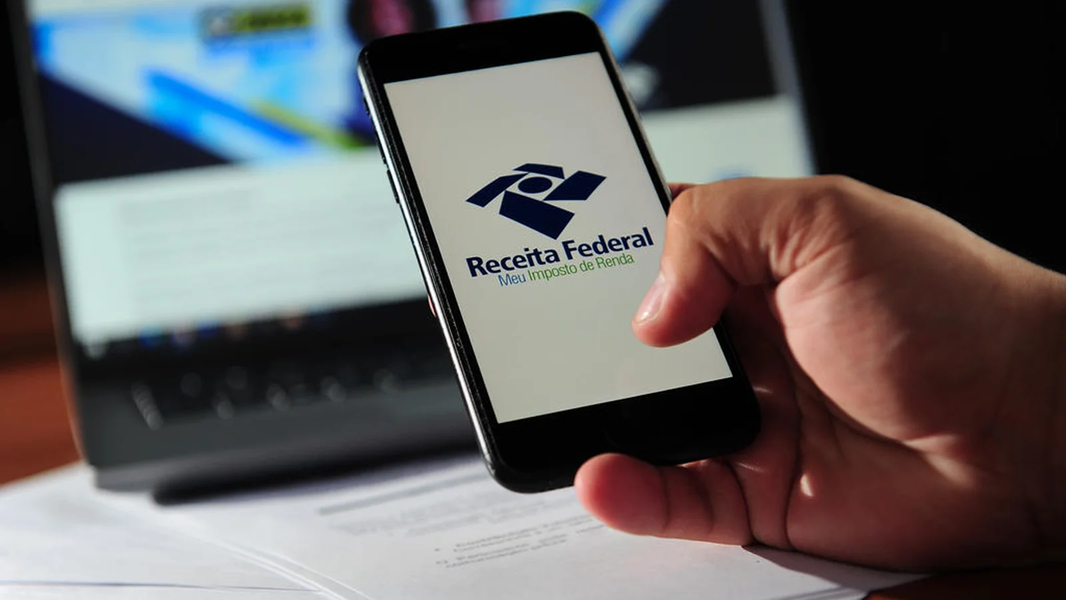
As part of Brazil's approved tax reform and a mechanism developed jointly by the Central Bank of Brazil and the tax department, the "Split Payment" system is expected to be completed by mid-year. This news was confirmed by Robinson Barreinyas, the Special Secretary of the Brazilian Federal Revenue Service, on February 3.
During a meeting with the Entrepreneurship Parliamentary Front (Frente Parlamentar do Empreendedorismo), Barreinyas stated, "Split Payment is a huge challenge at a technical level, and we are working together with the Central Bank to advance this system, aiming to complete it by mid-2026. We are currently accelerating efforts." Despite the advanced progress in system development, the taxation model is expected to be formally implemented starting in 2027.
Barreinyas also mentioned that the Split Payment mechanism will initially be applied to transactions between large taxpayers, as there is currently no urgency for the system to be operational for individual consumers.
Split Payment is a payment mechanism that automatically splits the payment amount at the time of transaction and transfers the funds to different recipients. The operation of the system is as follows:
Unlike the traditional model where funds are transferred to a single payee in one go, the Split Payment system splits the amount at the moment of payment and allocates it to various recipients according to rules, such as merchants, platforms, intermediaries, and the government (for tax payment). This technology is commonly used in electronic payment scenarios, including bank cards, digital wallets, and instant transfers. Split Payment aims to enhance the security and transparency of financial transactions. According to the tax department, by automatically withholding taxes or commissions at the time of transaction, this mechanism effectively reduces the risks of tax evasion, tax leakage, and delayed fund transfers.
The Brazilian tax authorities highlight the importance of this system in multi-party markets, such as e-commerce and various service platform applications. In these scenarios, the funds paid by consumers need to be distributed among multiple entities in the economic chain. Split Payment is also seen as a crucial tool to strengthen tax management. By automatically splitting and transferring the payable taxes at the time of the transaction, it can enhance the efficiency and controllability of tax collection.







China——Brazil Trajectory Tracking



+86 532-85066033/34






 中文简体
中文简体 ENGLISH
