【Asia-Europe Logistics】 Since the Belt and Road Initiative was proposed, significant progress has been made in logistics corridor construction between the Eurasian continent. The annual number of China-Europe Railway Express runs has exceeded 10,000, Central Asia road transport corridors have become increasingly mature, and digital international road freight rate indices are gradually being established. These changes are providing new logistics options for Chinese enterprises.
The China-Europe Railway Express is one of the most important products in the Asia-Europe railway logistics corridor. From Chongqing to Duisburg, from Yiwu to Madrid, from Chengdu to Łódź, multiple routes have achieved weekly normalization. Compared with shipping, the China-Europe Railway Express has significant time advantages—about 15 to 20 days from China to Europe, saving about two-thirds of the time compared with shipping.
In 2026, the structure of the China-Europe Railway Express is changing. The cargo types on trains departing from major cities like Chongqing and Yiwu have gradually expanded from early 3C products as the main category to multiple categories such as automotive parts, machinery and equipment, and e-commerce goods. The origin of goods is also extending from coastal cities to central and western regions, with Xi'an, Chengdu, Zhengzhou and other central and western cities becoming important starting cities for trains.
The China-Europe Railway Express is suitable for high-value goods with strict timeliness requirements, while road transport is a more flexible alternative. The road transport corridor from China to Central Asia has already become very mature. Departing from Kashgar through the Irkeshtam or Tuo Erert ports, goods can reach Kazakhstan, Uzbekistan, Turkmenistan, and other Central Asian countries.
The attractiveness of this road corridor lies in its flexibility and lower entry threshold. Railway trains require container consolidation and waiting, while road freight can be dispatched at any time; for small batches and multiple shipments, road transport costs are反而 lower.
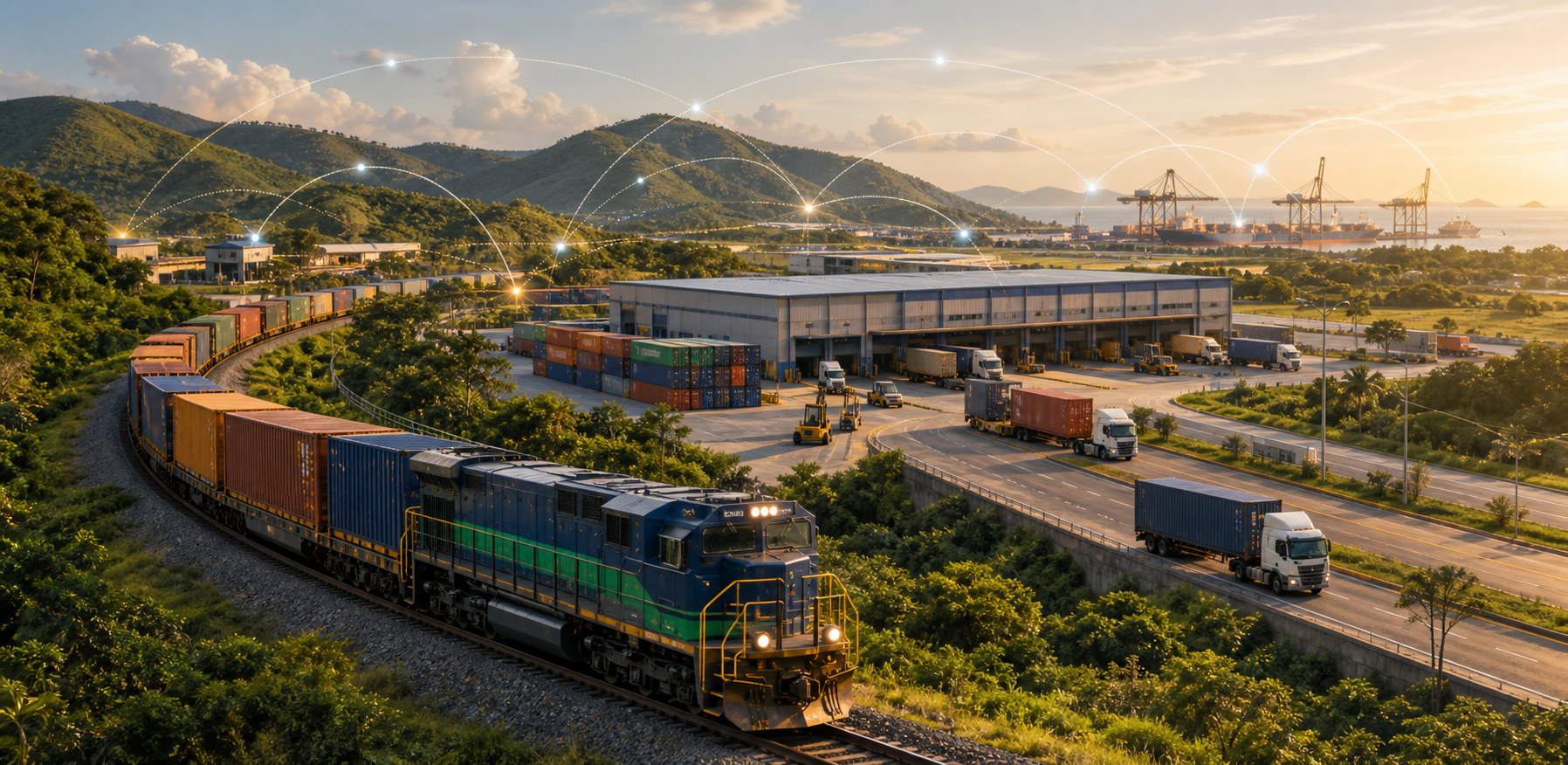
The advantage of the Belt and Road logistics corridor is not only reflected in single transport modes but also in the combined efficiency of multi-modal transport. The combination of railway and road transport allows goods to traverse from Chinese factory door to European customer door seamlessly. The connection between China-Europe Railway Express and air cargo provides multi-level timeliness options for high-value-added goods.
The application of digital tracking technology enables full-process visualization of multi-modal transport goods. Logistics platforms integrate railway plans, road capacity, warehousing facilities, and other resources to provide customers with one-stop door-to-door services. This end-to-end integration capability is an important manifestation of logistics enterprise competitiveness.
The future development direction of the Belt and Road logistics corridor is already clear: first, deepen railway network connections and further expand coverage; second, improve digitalization to achieve more efficient information flow and logistics coordination; third, promote green development and explore optimized combinations of low-carbon transport methods.
For Chinese logistics enterprises, the opportunities brought by the Belt and Road corridor have already begun to emerge. From cross-border train agency to multi-modal transport services, from warehouse facility investment to digital platform construction, there is room for participation across the industry chain. Those logistics enterprises that planned ahead are gradually establishing their competitive advantages.
---
配图:一带一路铁路货运列车,货场夜景,集装箱堆叠,摄影
---
【图片信息】
- 正文图片:image-2---63a5ccec-5168-4bc4-b219-8ee9e9038442.png
- 缩略图:image-4---205e1042-043b-4e88-8938-705a1f939c90.png




China——Brazil Trajectory Tracking



+86 532-85066033/34






 中文简体
中文简体 ENGLISH
