【Smart Logistics】 Warehouse logistics is undergoing an efficiency revolution driven by robotics technology. AGV handling robots, automated sorting lines, and intelligent warehouse management systems are together constructing a new generation of warehousing infrastructure. This technological iteration is redefining the operational efficiency and cost structure of warehouses.
Traditional warehouses rely on large amounts of human labor to complete operations such as picking, shelving, sorting, and inventory counting. As the demographic dividend fades and labor costs continue to rise, warehousing enterprises face increasing cost pressures. Automation has become the most certain development direction for this industry.
AGV handling robots are representative products of this revolution. Compared with traditional forklifts, AGV vehicles have advantages of 24-hour continuous operation, precise path planning, and obstacle avoidance automatic stopping. The procurement cost of a single AGV has decreased to about 60% of what it was a few years ago in 2026, and the investment payback period has shortened significantly.
Cross-belt sorters are one of the most commonly configured automated equipment by large e-commerce and express enterprises. Processing capacity can reach tens of thousands of pieces per hour, with identification accuracy exceeding 99.9%. During promotions like Double Eleven, automated sorting systems help enterprises应对货量冲击 several times higher than usual.
A more advanced solution is the multi-layer shuttle system, which achieves high-density storage and fast access by shuttling between立体货架 structures. This system's storage density is 3 to 5 times that of ordinary shelves, which is significant for large-city warehouses with expensive rents.
Warehouse automation is not simply introducing equipment but requires deep integration of software systems. WMS (Warehouse Management System) is the brain of automated warehouses, responsible for coordinating all core functions such as AGV scheduling, sorter instructions, and inventory location management. The protocol connection between WMS and hardware devices is the most technically complex part of project implementation.
The popularity of cloud-based WMS allows small and medium-sized warehousing enterprises to also enjoy the convenience of intelligent management. Through the subscription-based SaaS model, enterprises can use fully functional WMS services without large upfront investments, and the pay-by-usage model better fits the business characteristics of small and medium enterprises.
Current warehouse automation is in the stage of evolving from single-machine automation to system intelligence. AI algorithms are being applied to decision scenarios such as inventory prediction, inventory location optimization, and order allocation, and the space for efficiency improvement is extending from the execution layer to the planning layer.
The application of digital twin technology allows warehouse operators to simulate the effects of various operational plans in virtual space. This simulate-then-implement model significantly reduces the implementation risk of optimization plans.
---
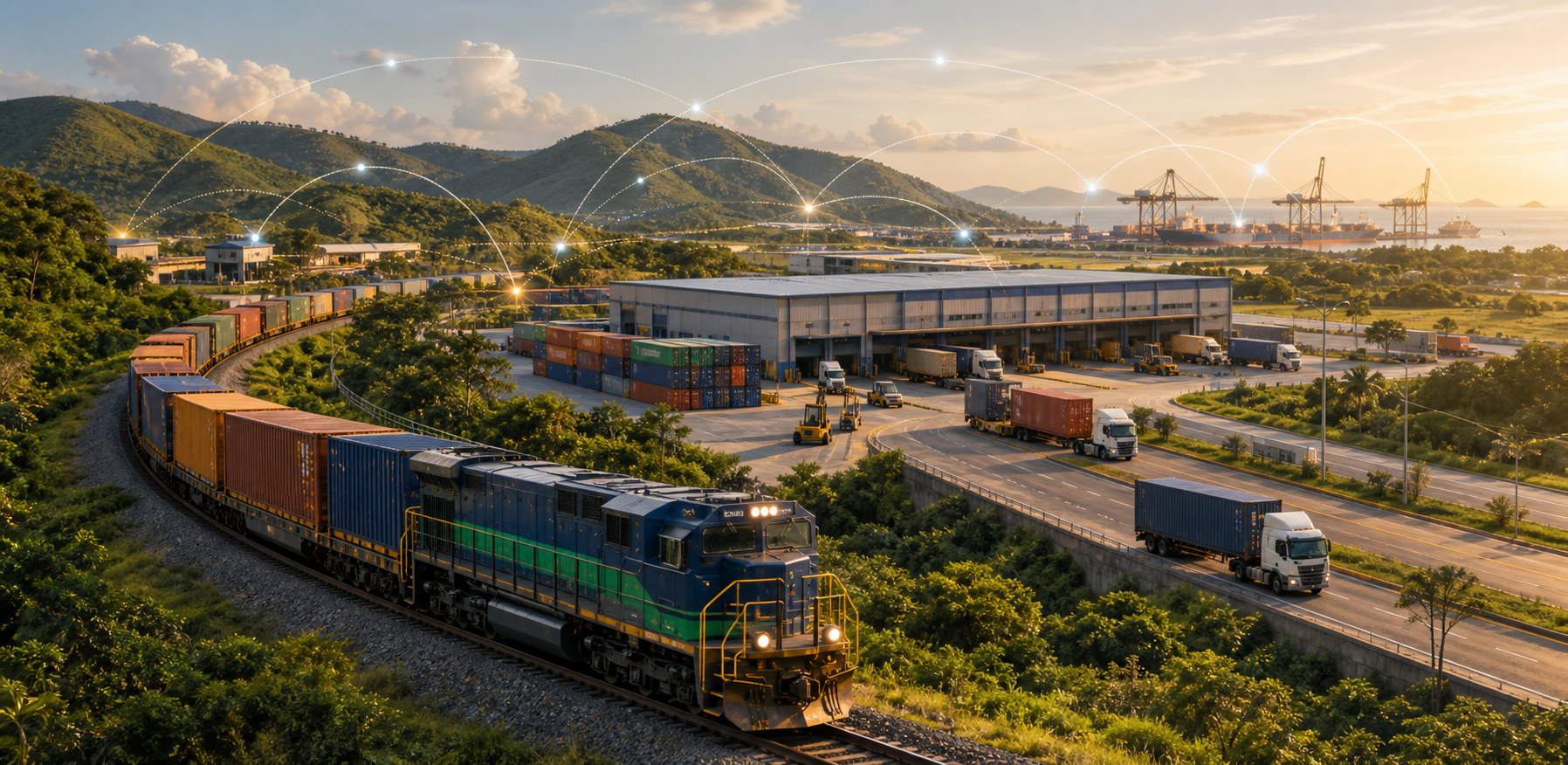
配图:AGV机器人仓库内运行,自动化分拣线,工人操作终端,摄影
---
【图片信息】
- 正文图片:image-2---8da96334-f65d-4b38-87b4-d011c7103d47.png
- 缩略图:image-3---c3fbf420-6c04-40c9-9497-fae8de10e625.png






China——Brazil Trajectory Tracking



+86 532-85066033/34






 中文简体
中文简体 ENGLISH
