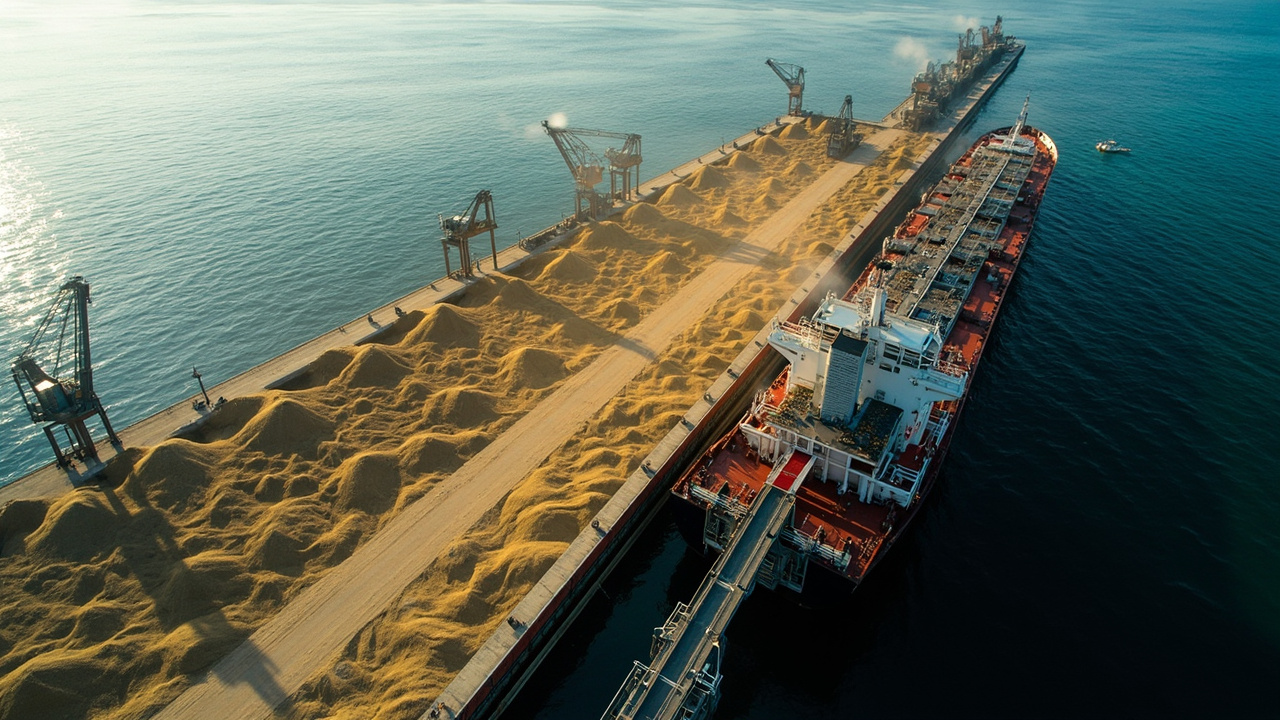
Brazil is the world's largest soybean producer and exporter, and the soybean export season from January to June each year can be called an annual "big test" for the global agricultural supply chain. As the most important oilseed and protein raw material supplier globally, the stable export of Brazilian soybeans directly relates to the price trends in international oil and grain markets and affects the supply chain security of major importing regions like China, the EU, and the Middle East.
However, in recent years, news of port congestion and record wait times has frequently emerged during the Brazilian soybean export season. The bottleneck in export capacity not only pushes up international soybean prices but also brings enormous supply chain management pressure to international logistics service providers and importers. Every year during this time, whether Brazilian soybeans can smoothly depart has become a closely watched trend indicator by global agricultural trade merchants.
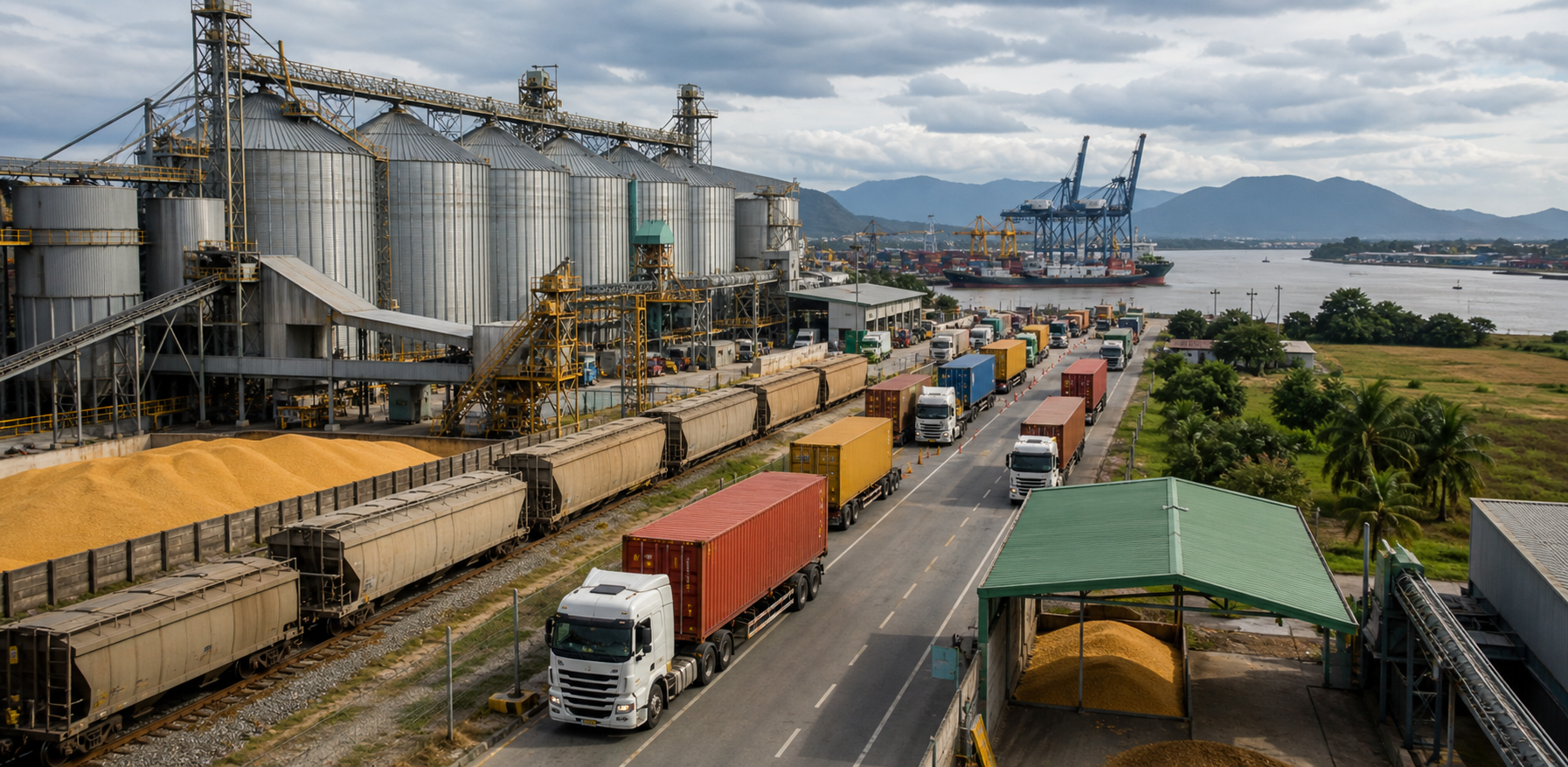
Brazil's soybean production areas are concentrated in inland regions like Mato Grosso and South Mato Grosso, where goods need to undergo long road transport to reach major export hubs like Santos Port and Paranaguá Port on the southeast coast. High reliance on road transport and relatively weak inland logistics infrastructure are long-standing structural problems for Brazilian agricultural exports.
Taking Santos Port as an example, as Latin America's largest container port, it undertakes about one-third of Brazil's soybean export tasks. However, problems such as limited berth numbers, insufficient dredging railway capacity, and saturated storage capacity have long existed. During the annual export season, soybeans arrive centrally, and port loading and unloading equipment operating at full capacity still cannot digest accumulated ships. Ship wait times for berths extended from several days to several weeks, and in some extreme cases exceeded one month.
Beyond hardware bottlenecks, administrative processes like customs quarantine, export license approval, and grain inspection also often become obstacles slowing export efficiency. Brazil's agricultural department needs to handle large numbers of inspection declarations during the export season, with inspection personnel and equipment resources tight, leading to some cargo facing port delays.
Port congestion directly transmits to the rate side. During the export season peak, soybean traders compete to book space, and surging charter demand pushes ocean freight rates to rise rapidly. Taking the Panamax rate from Santos Port to Qingdao Port in China as an example, peak season freight per ton can be 30% to 50% higher than the off-season, and some tight window periods even see spot rates jump.
Behind the freight rate soaring are multiple intertwined factors: First, China, as the largest buyer of Brazilian soybeans, has sustained strong import demand, and the first half of each year is the concentrated period for China to purchase Brazilian soybeans, with concentrated demand release intensifying capacity tension; second, global dry bulk market capacity is generally tight, new ship delivery rhythm has slowed, and existing capacity struggles to cover short-term surging cargo demand; third, macro factors like fuel price fluctuations, geopolitical risk premiums, and exchange rate changes also disturb freight rates.
Additionally, climate factors cannot be ignored. Weather conditions during the Brazilian soybean harvest season directly affect harvest progress and listing rhythm. If main production areas encounter floods or droughts, soybean listing time concentrates and compresses, further intensifying pressure on ports. In recent years, frequent climate anomaly events have significantly increased logistics management difficulty during the export season.
Facing port congestion and freight rate fluctuations, participants across the supply chain are exploring diversified response solutions. At the trader level, more enterprises are planning ahead, locking in ship schedules and space several months in advance to avoid high premiums for spot bookings during peak season. Some large commodity traders with strength have even hedged against spot market freight rate volatility by participating in shipowner equity or signing long-term charter agreements.
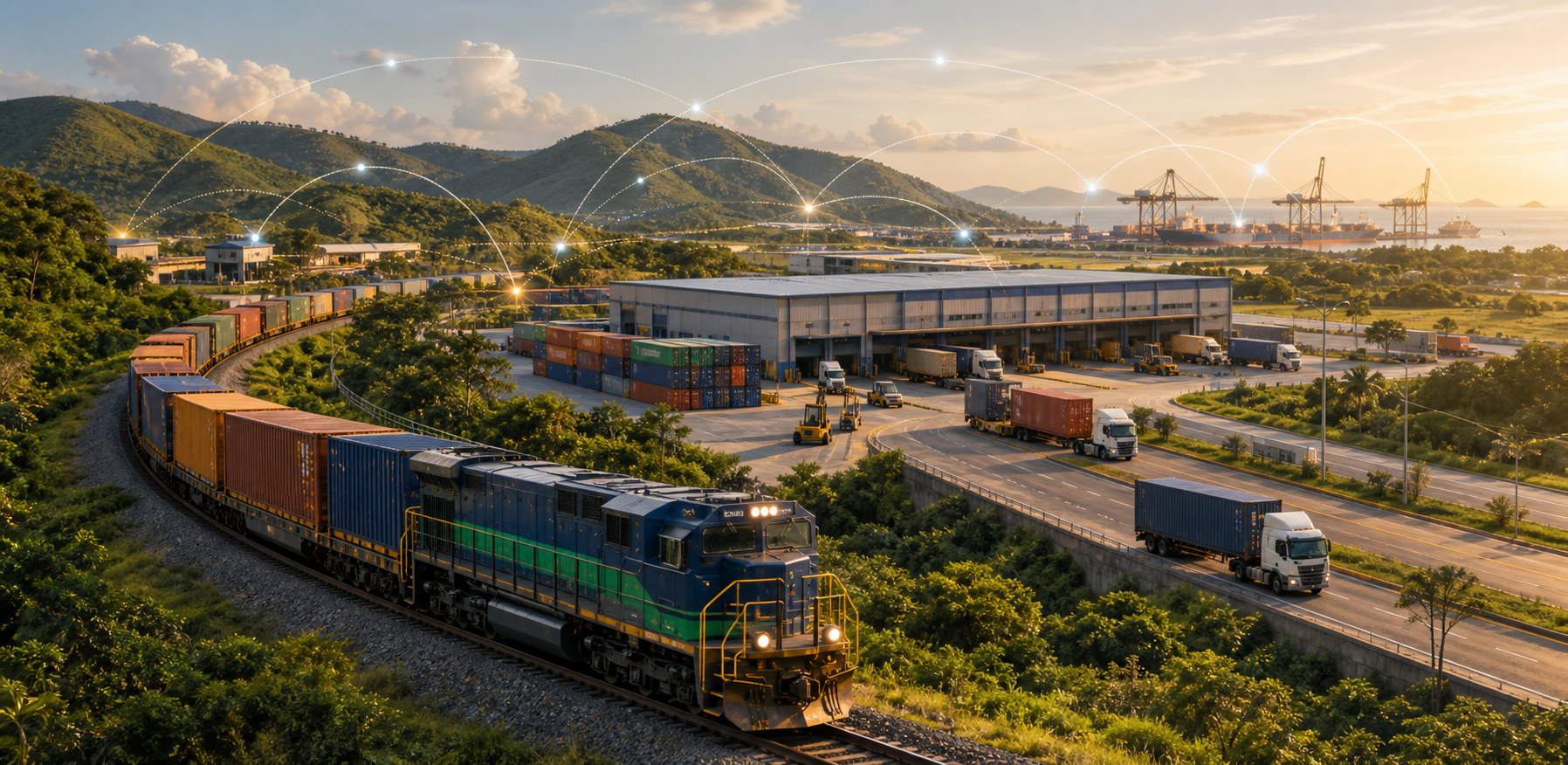
At the logistics service provider level, multi-modal transport has become an important breakthrough. Some freight forwarders and logistics enterprises have begun vigorously promoting "road-rail transport" and "inland waterway + ocean shipping" solutions, diverting some soybeans from road to rail or waterway channels to reduce road transport pressure. For example, the model of transporting agricultural products to northern ports via Amazon inland waterway systems in northern Brazil is gradually being promoted.
At the port and government level, infrastructure upgrade and renovation are accelerating. Major hubs like Santos Port are successively advancing projects like berth deepening, yard expansion, and loading/unloading equipment updates. Simultaneously, digital port construction is progressing, improving customs clearance and loading/unloading efficiency through electronic documents, advance declarations, and intelligent scheduling.
In the long term, the logistics bottleneck of Brazilian agricultural exports reflects deep contradictions in the global agricultural trade pattern—the spatial mismatch between production concentration and consumption globalization requires continuous improvement of logistics infrastructure and operational efficiency. For major importing countries like China, establishing diversified import sources, optimizing national reserve layout, and enhancing voice in international agricultural pricing are fundamental strategies for应对 input supply risks.
---
配图:巴西大豆出口港口,货轮靠泊装运,港口全貌,摄影
---
【图片信息】
- 正文图片:image-1---d725a538-4f24-43d0-901f-1688995efb89.png
- 缩略图:image-1---caca0bc9-7f7c-4aa3-b0b0-2d8477f0be96.png




China——Brazil Trajectory Tracking



+86 532-85066033/34






 中文简体
中文简体 ENGLISH
