In 2026, Mexico has become one of the hottest investment destinations for Chinese manufacturing overseas. Leveraging production capacity transfers triggered by US-China trade friction, utilizing the USMCA agreement to access the North American market, and capitalizing on Mexico's relatively low labor costs — the combination of these three advantages has made "Made in Mexico for USA" a new strategic direction for Chinese manufacturers.
It's not just large enterprises taking action. A large number of small and medium-sized manufacturers are also actively布局 — from electronics assembly and textiles and apparel to furniture manufacturing and plastic products, Chinese businesspeople are becoming increasingly visible in Mexico. Mexico City, Monterrey, and Guadalajara are forming new Chinese commercial hubs. However, opportunities come with risks, and Mexico's unique business environment has caused many newly arrived Chinese companies to suffer dearly.
### 2.1 Ports: High Throughput but Room for Efficiency Improvement
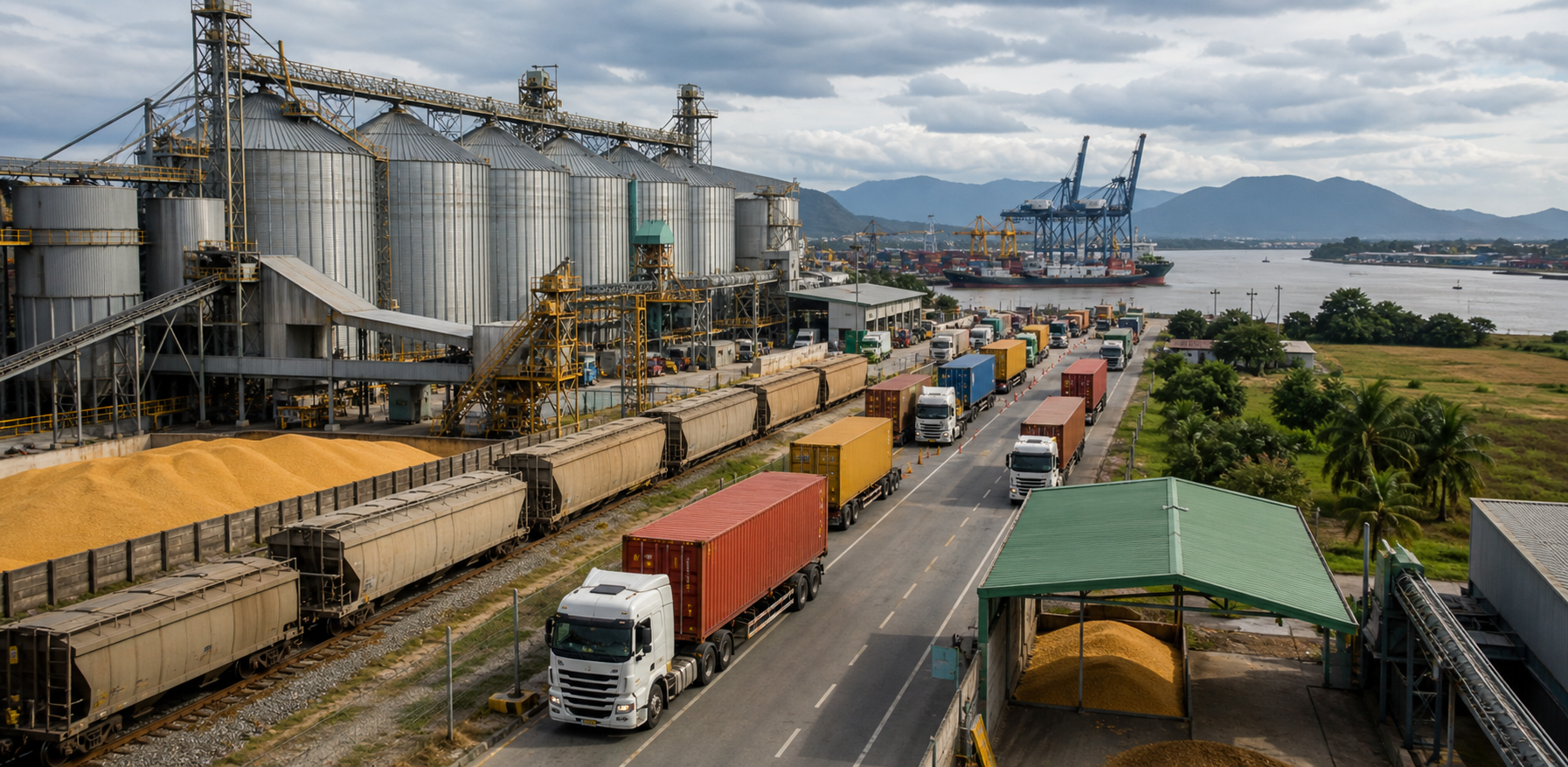
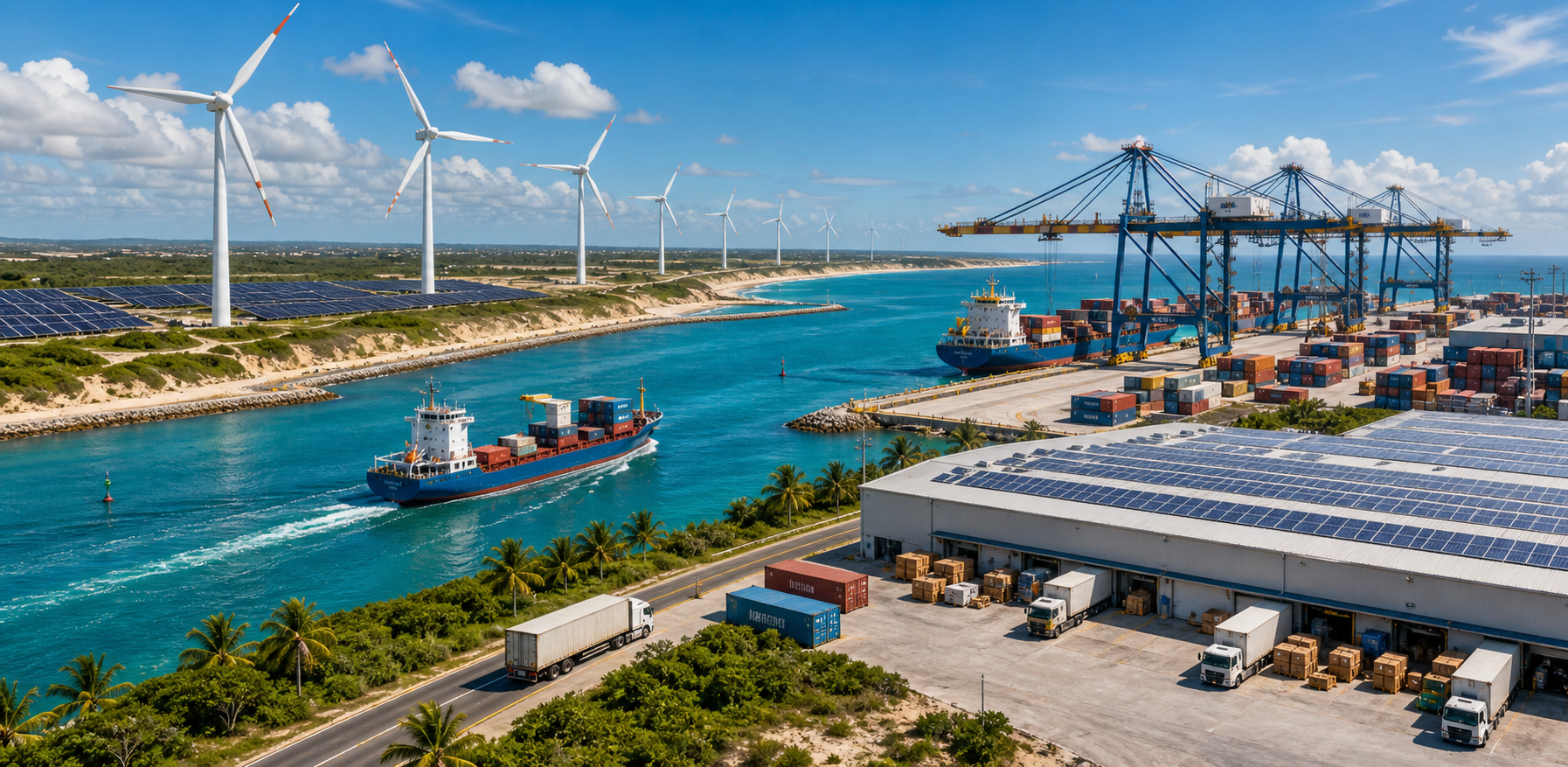
Mexico's major ports include the Port of Manzanillo (Pacific, largest container port), the Port of Veracruz (largest Gulf port), and the Port of Altamira. Manzanillo handles approximately 70% of Mexico's Asia trade volume and serves as an important gateway port for US West Coast routes; Veracruz is the hub for routes to the US East Coast and Europe.
Port efficiency in Mexico has improved in recent years, but there is still a gap compared to first-class Chinese ports like Shanghai and Shenzhen. Vessel waiting times, port congestion, and customs clearance efficiency are frequent sources of complaints from Chinese cargo owners.
### 2.2 Road Network: The Core Artery of Logistics
Over 80% of Mexico's domestic cargo transportation relies on roads. The road network covers major cities, but road conditions vary widely — major highways (such as Mexico City to Monterrey and other main arteries) are of good quality, but feeder roads to remote areas are in poor condition. Transportation is dominated by large box trucks, and overloading is common.
### 2.3 Border Logistics: The Main Channel for Cross-Border Transportation
The US-Mexico border is one of the busiest international borders in the world. Large volumes of cargo cross through major ports such as Tijuana-San Diego and Laredo-Nuevo Laredo. Long border clearance times and waiting congestion are the norm — average crossing time is approximately 3 to 5 hours, and during peak periods can exceed 12 hours. Professional border customs brokers and experienced cross-border trucking fleets play important roles in Mexico's logistics.
### 3.1 Complexity of Tax Compliance
Mexico's tax system is equally complex as Brazil's. ISR (corporate income tax), IVA (value-added tax), and IDE (foreign exchange tax) intertwine, and tax compliance is the first hurdle for foreign companies entering Mexico. Many Chinese companies newly arrived in Mexico, unfamiliar with local tax rules, have overpaid taxes they shouldn't have, or even faced fines due to tax issues.
### 3.2 Customs Clearance Efficiency and Tariff Barriers
Mexico implements relatively strict import tariff policies, with significant rate variations across product categories. Manufacturing equipment and raw material imports enjoy tariff preferences, but some consumer goods face higher tariffs. A professional customs broker (Agente Aduanal) is a legally required role in Mexico's import customs clearance — without a local licensed customs broker, goods cannot be cleared.
### 3.3 Last-Mile Delivery Challenges
Last-mile delivery in Mexico is a long-standing problem. Severe traffic congestion in large cities, incomplete address information systems, and high COD (Cash on Delivery) ratios lead to high delivery costs and low successful delivery rates. Chinese e-commerce sellers entering the Mexican market often lose out on the "last mile."
### 4.1 Choose Local Veterans, Don't Just Look at Price
Doing logistics in Mexico, local experience matters more than price. Choosing a local logistics service provider with years of operational experience, good relationships with customs, and standardized fleet management is more important than selecting the lowest-priced but inexperienced supplier. Mexico has many "unwritten rules," and local veterans with relationships can help you avoid many pitfalls.
### 4.2 Prioritize Border Clearance Capabilities
For manufacturers primarily targeting the US market, border logistics capability is key. In the logistics chain from Mexican factories to US customers, border clearance is the biggest risk point — once border congestion or customs delays occur, the timeliness of the entire supply chain is affected. Choosing logistics providers with mature clearance capabilities at major border ports such as Tijuana and Laredo is a guarantee of supply chain stability.
### 4.3 Warehouse Network Layout Strategy
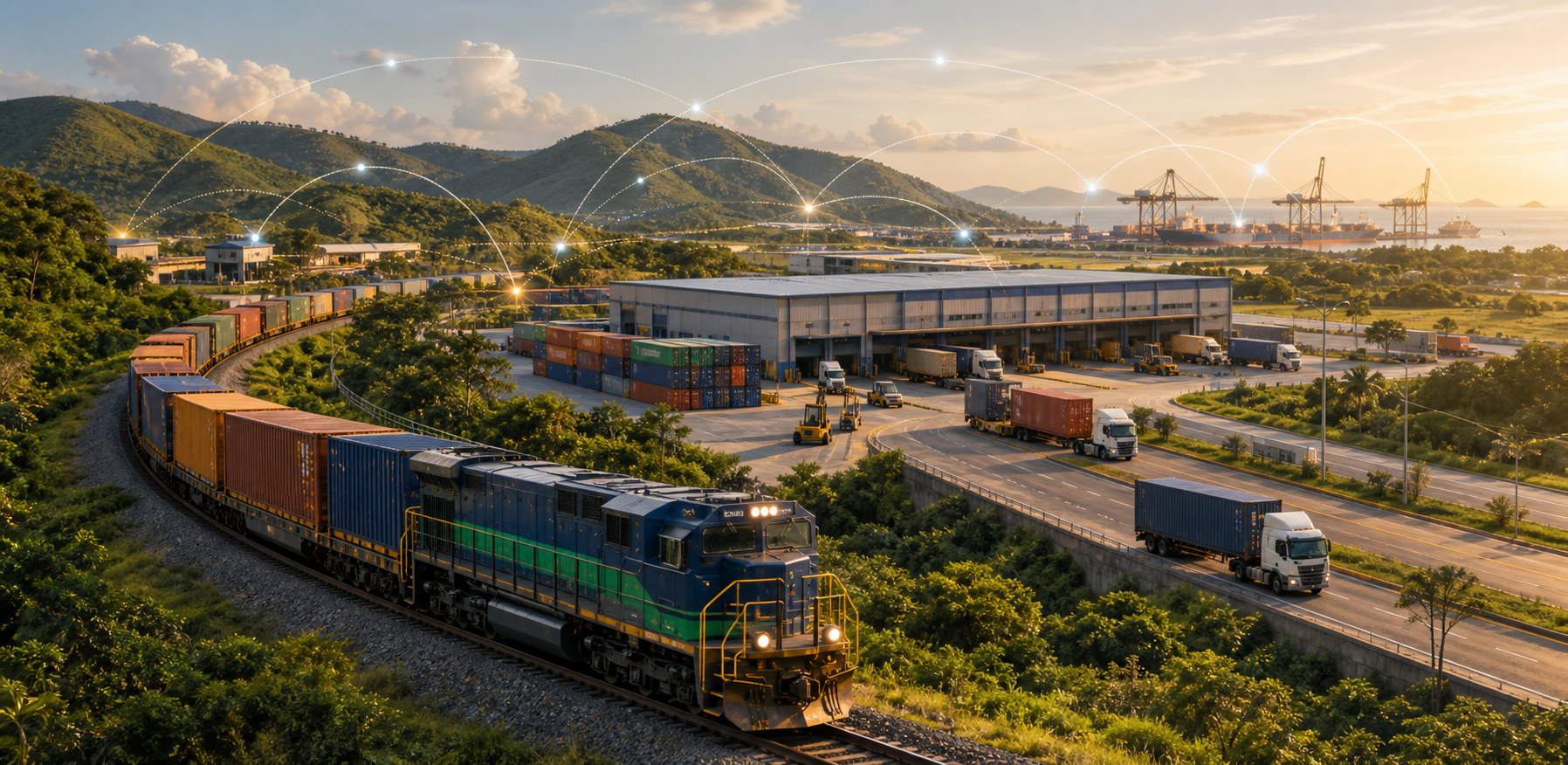
Establishing bonded warehouses in Monterrey (near the US border manufacturing hub) and Manzanillo (Pacific port) is a choice made by many Chinese companies. Monterrey warehouses can handle "fast transit of Mexican manufactured finished goods to the US"; Manzanillo warehouses suit the model of "importing Asian raw materials for storage and then distribution to factories."
For logistics professionals, the Mexico logistics sector presents enormous opportunities:
First, surging China-Mexico cross-border logistics demand. As Chinese companies enter Mexico, large volumes of equipment, raw materials, and semi-finished products are exported from China to Mexico, driving sustained growth in first-leg (Asia-Mexico) sea and air freight demand.
Second, cross-border logistics for Mexican exports to the US. Mexican manufactured goods exported to the US involve complex services such as border clearance, bonded warehousing, and FTA certificate of origin applications. Professional logistics providers have significant opportunities here.
Third, e-commerce logistics infrastructure. Mexico's e-commerce market is growing rapidly, but logistics infrastructure is relatively weak, and last-mile delivery is the bottleneck. A localized e-commerce fulfillment network (overseas warehouses + last-mile delivery) is a direction worth exploring.




China——Brazil Trajectory Tracking



+86 532-85066033/34






 中文简体
中文简体 ENGLISH
