As of September 7, 2026, South America lanes are still affected by space validity, Brazil and Chile port windows, Panama Canal transit costs, Red Sea schedule buffers, early-September ocean surcharges, LCL warehouse pressure, FCL booking rhythm and customs document reviews.
This article answers the questions shippers usually ask before booking: how to choose LCL or FCL for Brazil, Chile and South America, which destination charges should be confirmed, and how a South America forwarder can reduce customs and delivery risk.
Explain origin port, destination port, direct or transshipment service, cut-off, customs release and last-mile delivery. The real delivery time is not just sailing days.
LCL cost depends on volume, weight, product name, destination, customs needs and delivery. Destination deconsolidation, documents, storage and pickup can change the total.
Small and frequent shipments often fit LCL. Larger volume with fixed delivery windows may fit FCL. A South America forwarder should compare total cost and risk for both.
To compare LCL, FCL and ocean freight options accurately, shippers should provide product name, HS code, package count, gross weight, volume, cargo value, origin, destination port, battery status, wood packing status, customs needs and last-mile delivery requirements.
For Brazil or Chile, consignee details, origin documents, invoice and packing-list consistency, and destination-agent requirements should be checked early. Earlier document review makes freight pricing closer to the final landed cost and lowers the chance of demurrage, storage and re-delivery charges.
In September, South America forwarder, Brazil, Chile, ocean freight, LCL, FCL remain important decision terms for importers and exporters. Customers do not need a vague low rate. They need a clear plan that explains LCL, FCL, ocean freight, customs and last-mile delivery risks. A professional South America forwarder should make cost, timing and document requirements clear from the beginning.
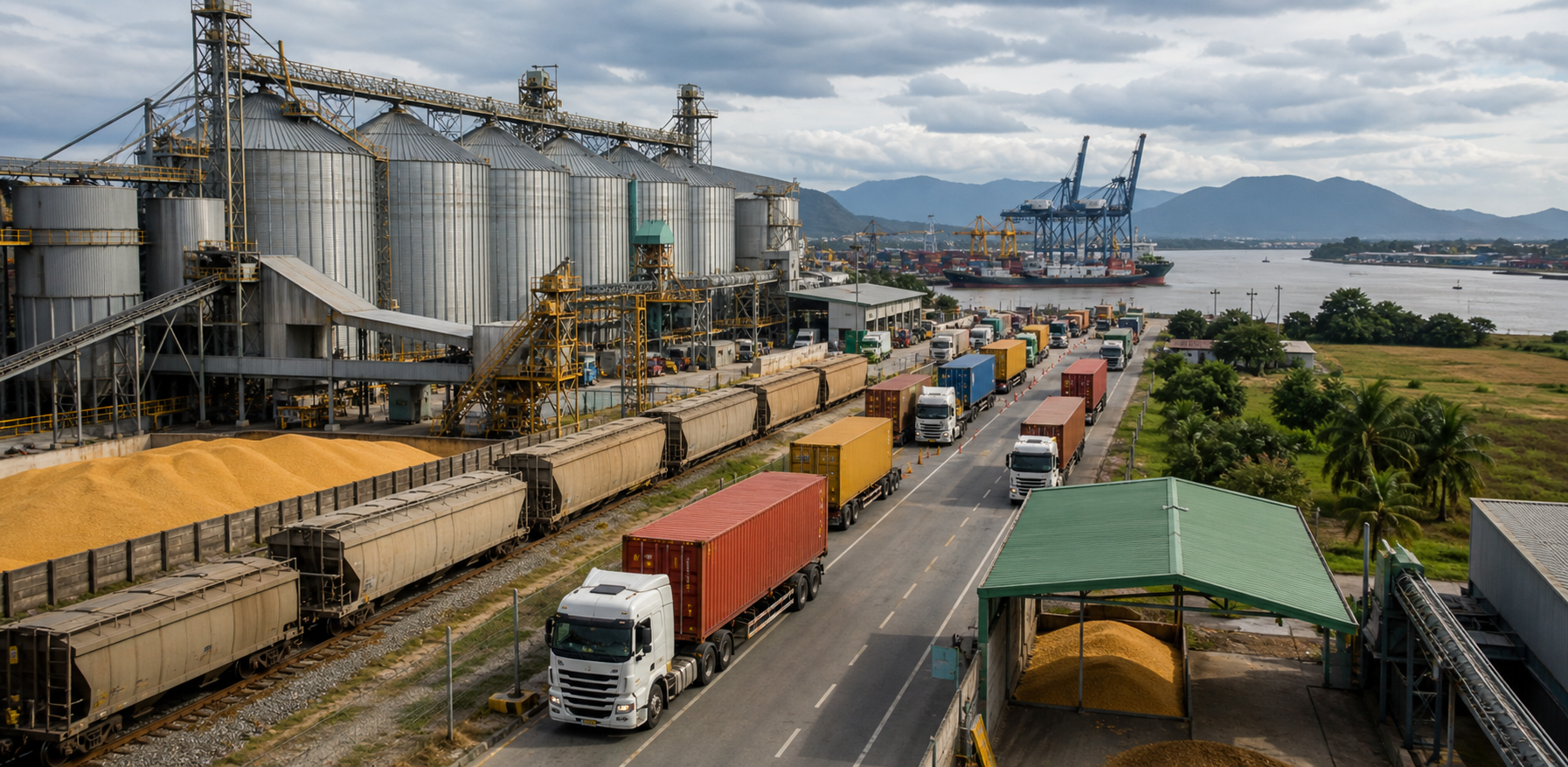
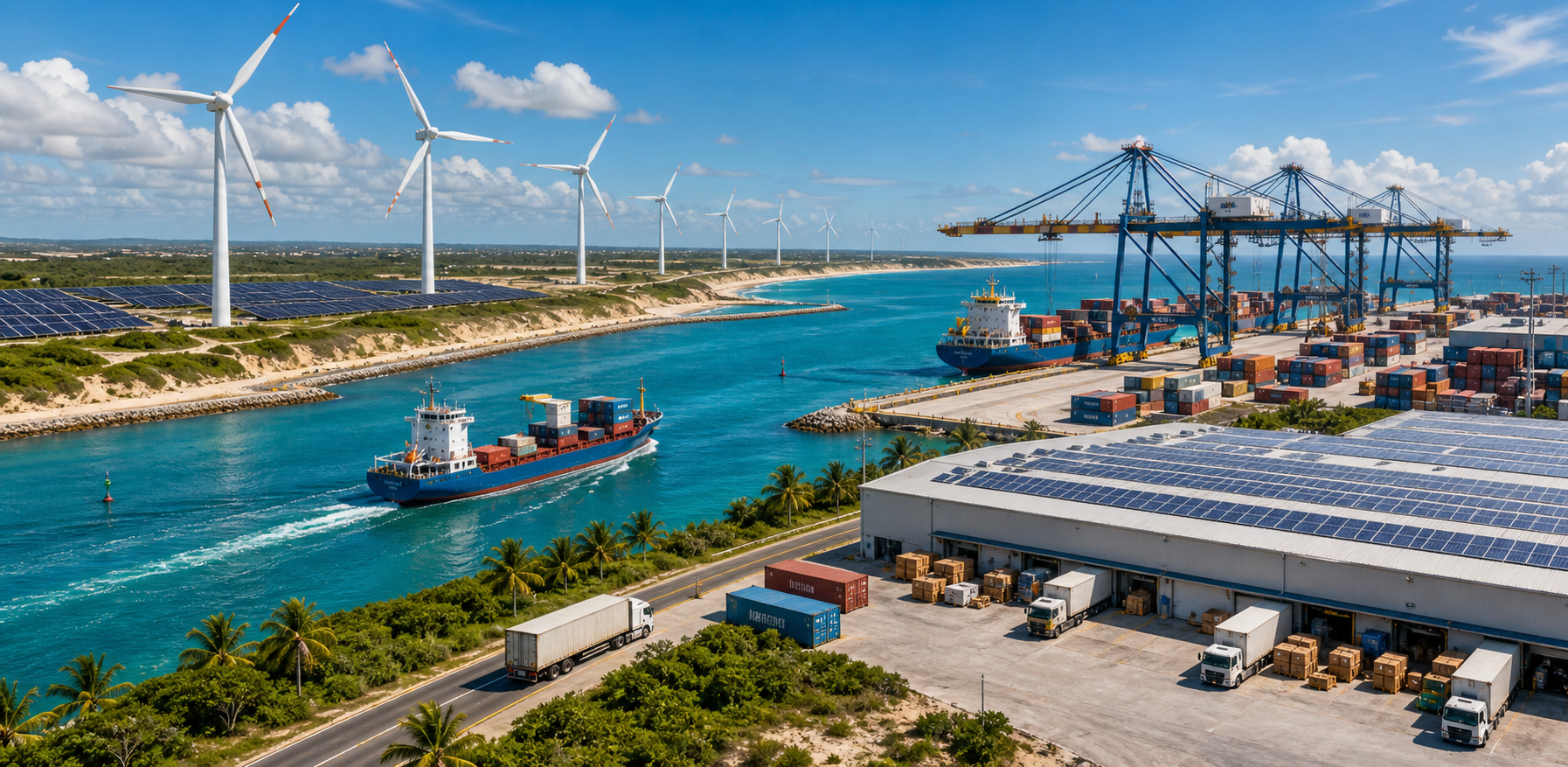
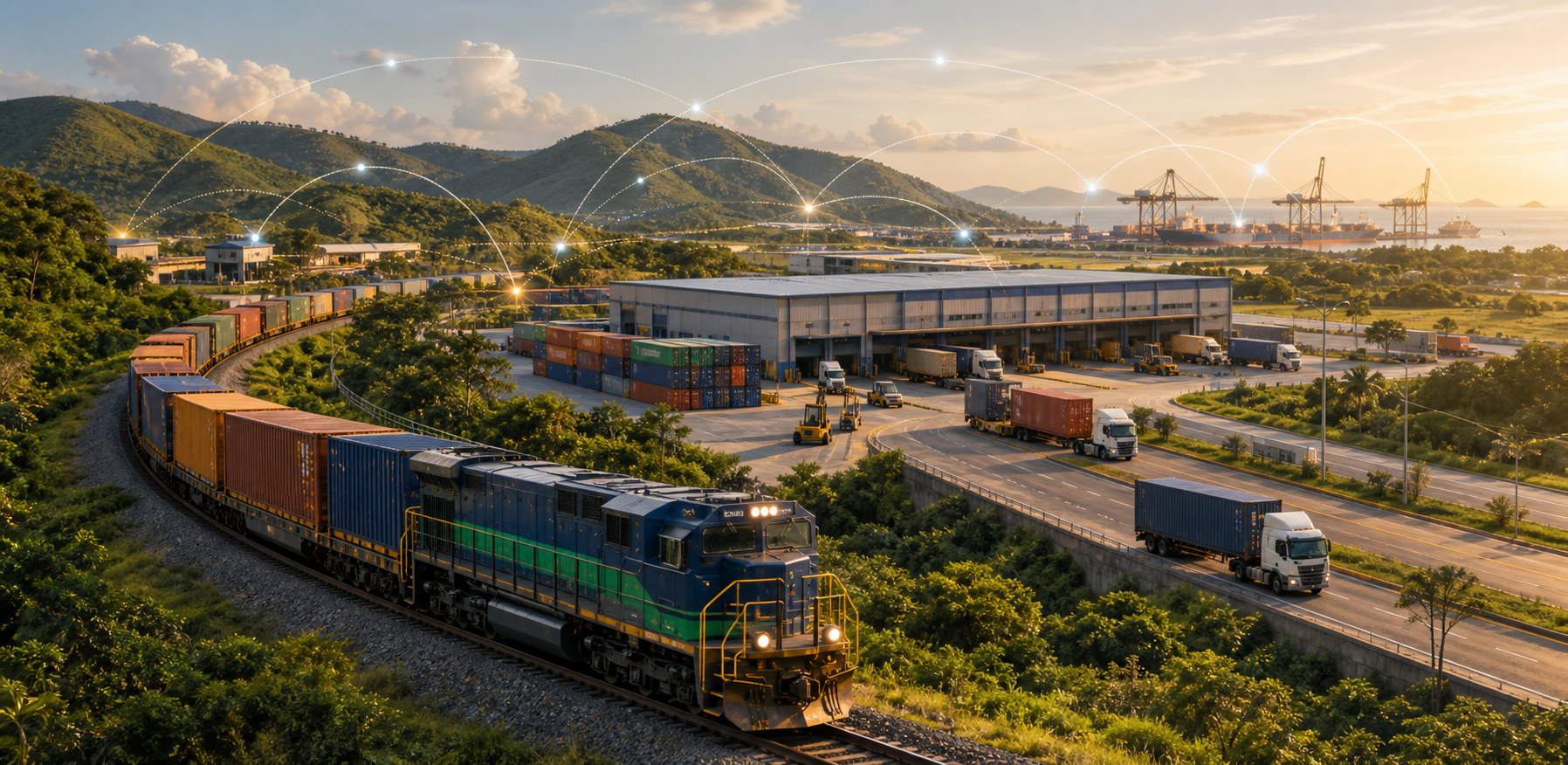




China——Brazil Trajectory Tracking


+86 532-85066033/34






 中文简体
中文简体 ENGLISH
