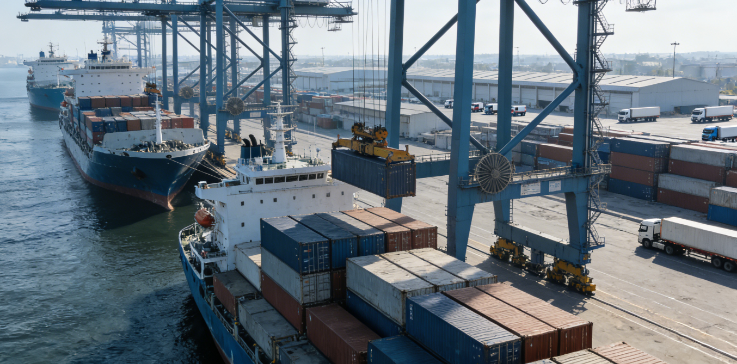
In recent times, the global maritime route system is undergoing a profound restructuring driven by diverse and interwoven factors: the Middle East geopolitical conflicts leading to key waterways' blockage, major shipping companies optimizing service networks for operational efficiency, and the persistent congestion pressure at ports along the East coast of South America. These factors, combined, are causing systemic impacts on Brazil's maritime import-export trade, forcing Brazilian exporters and importers to seek a new balance amidst soaring logistics costs and supply chain uncertainties.
The sharp deterioration of the situation in the Middle East is the most prominent short-term disruptive factor. Since the end of February, following the US and Israel's military strikes against Iran, the Strait of Hormuz, a global chokepoint for energy and bulk commodity transportation, has effectively become impassable. Major shipping companies such as Maersk, Mediterranean Shipping Company, etc., have successively suspended related routes or imposed emergency war risk surcharges. For Brazil, which heavily relies on maritime exports of sugar, soybeans, chicken meat, and other products, this directly impacts its cargo flow to the Middle East market. Several vessels carrying Brazilian sugar to countries like Iran, Iraq, the UAE have been forced to stop at safe ports midway, with goods being transshipped by road, leading to a sharp increase in logistics costs and significant reductions in insurance coverage. According to shipping agencies' estimates, the restricted passage through the Strait of Hormuz affects approximately 4% of global dry bulk cargo volume, with Brazil and Argentina being major suppliers of grains and iron ore in the region.
At the same time, the service network adjustments by shipping companies based on commercial considerations are reshaping the normal patterns of maritime shipping in Brazil. Several shipping companies have recently reported that major ports along the East coast of South America continue to face operational pressures, with severe congestion at key terminals like Santos, Paranagua, Itapoa, leading to extended waiting times for vessels. To maintain network reliability, shipping companies are forced to cancel some port calls or adjust the order of calls; for example, several routes by Mediterranean Shipping Company have announced temporary cancellations of port calls at certain Brazilian ports. This "hard constraint" at the port level directly translates into the cargo space constraints and unpredictable vessel schedules faced by Brazilian import-export businesses. It's worth noting that not all adjustments are reactive; some shipping alliances have recently announced the optimization of South American East coast routes, adding calls to Chinese ports and strengthening the connection between Asia and Brazil, indicating that while some regional routes are shrinking, the backbone network connecting Asia and Brazil is being reinforced.
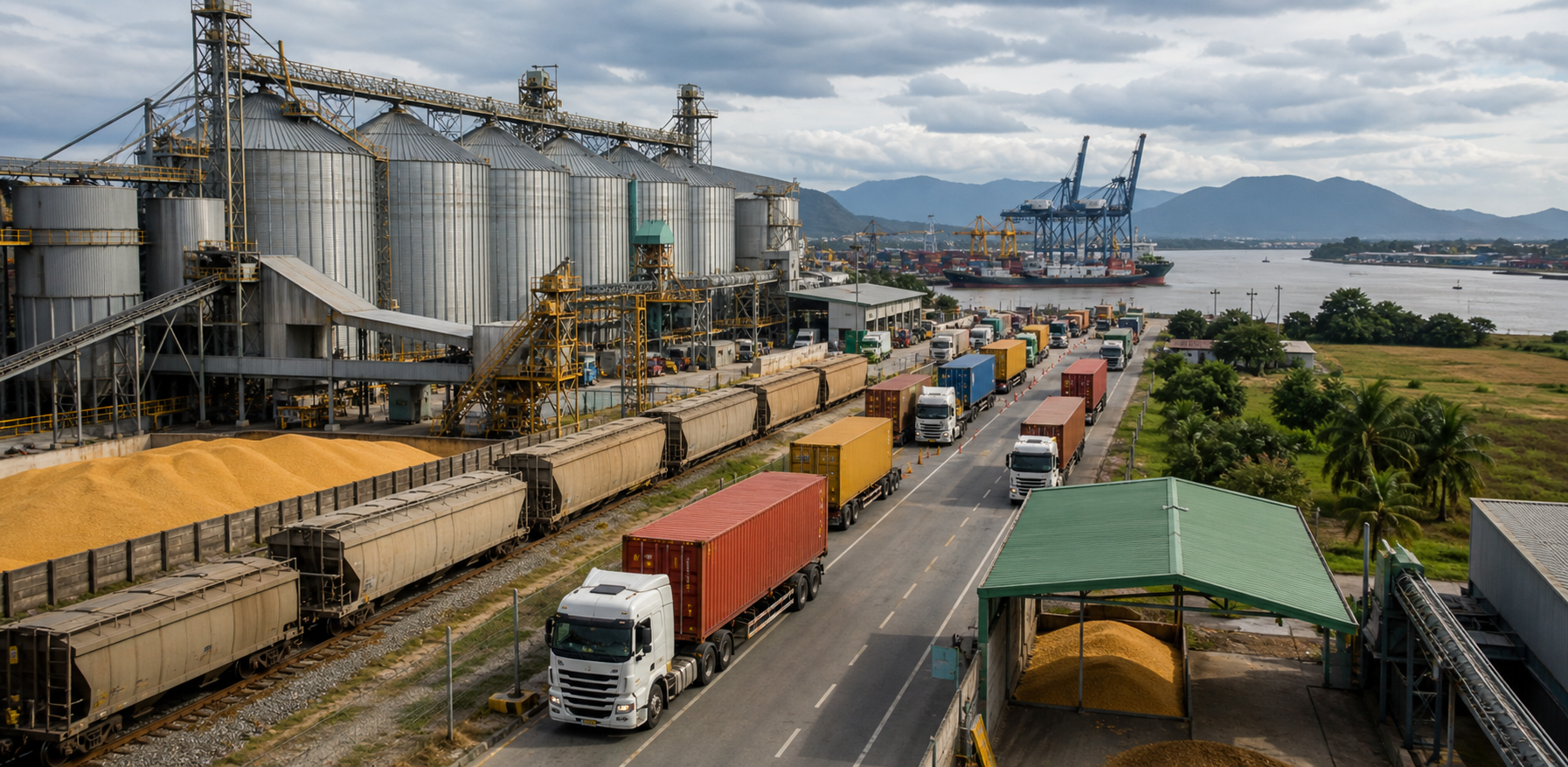
The normalization of port congestion presents another structural challenge. According to the latest operational data from shipping companies, several Brazilian ports have been experiencing severe delays since the beginning of the year, with waiting times at some ports exceeding 40 hours. Behind this data lies the vulnerability of Brazil's maritime logistics chain—vessels arriving off schedule, leading to the breakdown of the landside cargo handling system, subsequently driving up overall supply chain costs. For industries reliant on timely deliveries like manufacturing and retail, this uncertainty forces businesses to adjust their procurement strategies, increase safety stock to hedge risks.
The impact of these changes varies across different sectors of Brazilian trade. On the export side, bulk agricultural products, with their rigid demand and relatively diverse alternative markets, exhibit some resilience. Recent increases in Brazil's sugar exports show that short-term logistics disruptions have not dampened overall shipping momentum. However, on the import side, especially in the industrial intermediate goods sectors like polymers, fertilizers, the pressure is more significant. Saudi Arabia is Brazil's second-largest polypropylene supplier, and countries like Egypt also rely on the Red Sea route. With shipping companies canceling voyages from the Middle East to the East coast of South America and imposing high surcharges, the cost of importing polymers into Brazil has surged significantly, leading some companies to raise domestic product prices accordingly. The fertilizer supply chain also faces risks; around 85% of Brazil's fertilizer demand relies on imports, and a significant proportion of global fertilizer trade passes through the Strait of Hormuz for transportation.
The deeper impact is reflected in the transmission pathways of energy and exchange rates. Geopolitical conflicts driving up international oil prices benefit Brazil as a net oil exporter by boosting export values, but the rising costs of imported energy sources like diesel and naphtha squeeze profits in the refining and manufacturing industries. Meanwhile, the strength of the US dollar driven by risk aversion, while beneficial for export competitiveness, raises the costs of imported equipment and intermediate goods in local currency, creating complex bidirectional pressures.
In conclusion, the recent multiple adjustments in maritime routes are prompting Brazilian trade participants to reevaluate their supply chain strategies. In the short term, the rise in logistics costs and vessel schedule uncertainties are hard to eliminate, and companies need to hedge risks through diversified port choices, advance procurement planning, and deep collaboration with logistics partners having localized capabilities. In the medium to long term, the resilience of Brazil's maritime system depends on the continuous upgrade of port infrastructure, deep integration with Asian route networks, and the construction of more resilient trade channels amidst global geopolitical fluctuations. As shipping is no longer a stable presence by default, the precise management of logistics variables is becoming a core component of Brazil's foreign trade competitiveness.




China——Brazil Trajectory Tracking



+86 532-85066033/34






 中文简体
中文简体 ENGLISH
