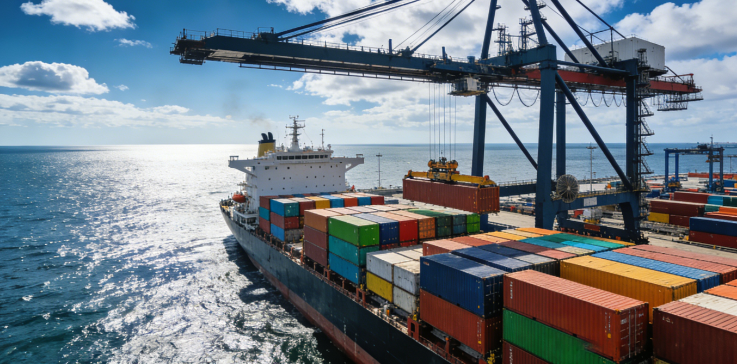
The recent military actions taken by the United States and Israel against Iran have led to a sudden escalation of geopolitical tensions in the Middle East region. This conflict not only reshapes the global energy and security landscape but also has far-reaching effects on Brazil's foreign trade industry through complex transmission mechanisms. As a major exporter of agricultural and mineral products and an important emerging economy, Brazil's foreign trade is facing impacts and adjustments from multiple dimensions such as energy prices, logistics costs, trade flows, and currency exchange rates.
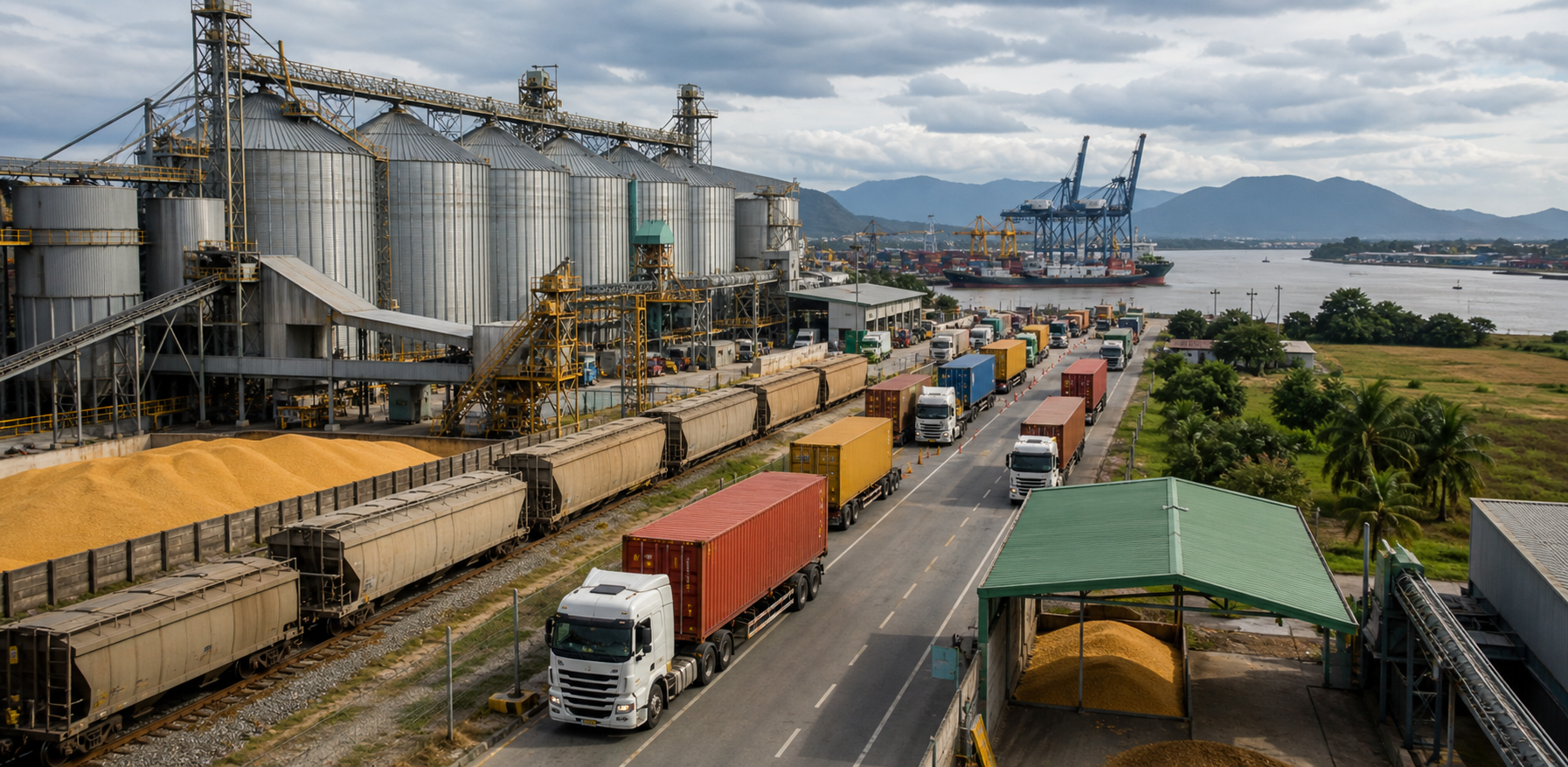
Firstly, the drastic fluctuations in energy prices are the most direct impact faced by Brazil's foreign trade. The Middle East is a core region for global oil supply, and concerns about supply disruptions caused by military conflicts have driven international oil prices to significantly rise in the short term. For Brazil, this impact has a dual nature. As the largest oil-producing country in Latin America, Brazil's crude oil exports have been steadily increasing in recent years. The rise in oil prices directly boosts the value of its oil exports, improving trade conditions and bringing excess profits to Brazil's national oil company and related industrial chains. However, the surge in oil prices also raises the costs of importing energy sources like diesel and aviation kerosene, transmitting to the entire logistics system, leading to further increases in already heavy inland transportation and international shipping costs, squeezing the profit margins of export sectors such as agriculture and mining.
Secondly, the stability of global maritime logistics is severely tested. The Strait of Hormuz is the world's most important passage for oil transportation, and the Red Sea and Suez Canal regions are adjacent to conflict zones. The escalation of military actions forces major shipping companies to reassess route risks, with some vessels choosing to circumnavigate the Cape of Good Hope. This has led to longer voyages and reduced operational efficiency for routes from Brazil to Asia and Europe. For bulk commodities exported from Brazil such as soybeans, corn, iron ore, and meat, the rising maritime costs and unpredictability of sailing schedules directly translate into increased trade execution risks. Importers may adjust their procurement plans due to delayed arrivals, while Brazilian exporters face higher performance bonds and inventory pressures.
Thirdly, global trade flows and commodity substitution effects are emerging. The Middle East region itself is an important trading partner for Brazil, especially as one of the main import markets for agricultural products and meat. Wars may lead to foreign exchange losses in some countries in the region, reduced import demand, or disruptions in logistics channels, affecting Brazil's direct exports to the Middle East. However, conflicts may also create new trade opportunities. For example, if Iran's agricultural exports are affected, or if other Middle Eastern countries increase their demand for food security reserves, Brazil, as a key global "granary," may see alternative growth opportunities in exports of wheat, rice, sugar, and other products. Additionally, Europe seeking diversified energy sources may increase purchases of Brazilian oil, ethanol, and other energy products.
Fourthly, the turmoil in financial markets affects foreign trade competitiveness through exchange rate channels. Geopolitical risks usually lead to international capital flowing to safe-haven assets like the US dollar, causing depreciation pressure on emerging market currencies. This exacerbates the volatility of the Brazilian real. In theory, a devalued real is beneficial for Brazilian commodity exports as products priced in US dollars gain a price advantage in international markets. However, devaluation also raises the costs of importing raw materials, intermediate goods, and capital goods, creating input inflationary pressures in Brazil's domestic manufacturing industry and weakening the competitiveness of its industrial manufactured goods.
In conclusion, the US and Israeli military actions against Iran, through four major transmission pathways of energy, logistics, trade, and finance, profoundly affect the sensitive nerves of Brazil's foreign trade. Brazilian exporters and importers need to closely monitor the developments in the Middle East situation, flexibly adjust their supply chain layouts and contract terms to seek stability amid turmoil. The Brazilian government also needs to carefully assess the spillover effects of geopolitical risks, diversify trade partners, strengthen logistics resilience, and use financial tools to hedge risks, maintaining the smooth operation of the country's foreign trade. In this distant conflict, Brazil's trade pulse resonates with every beat of global geopolitics.




China——Brazil Trajectory Tracking



+86 532-85066033/34






 中文简体
中文简体 ENGLISH
