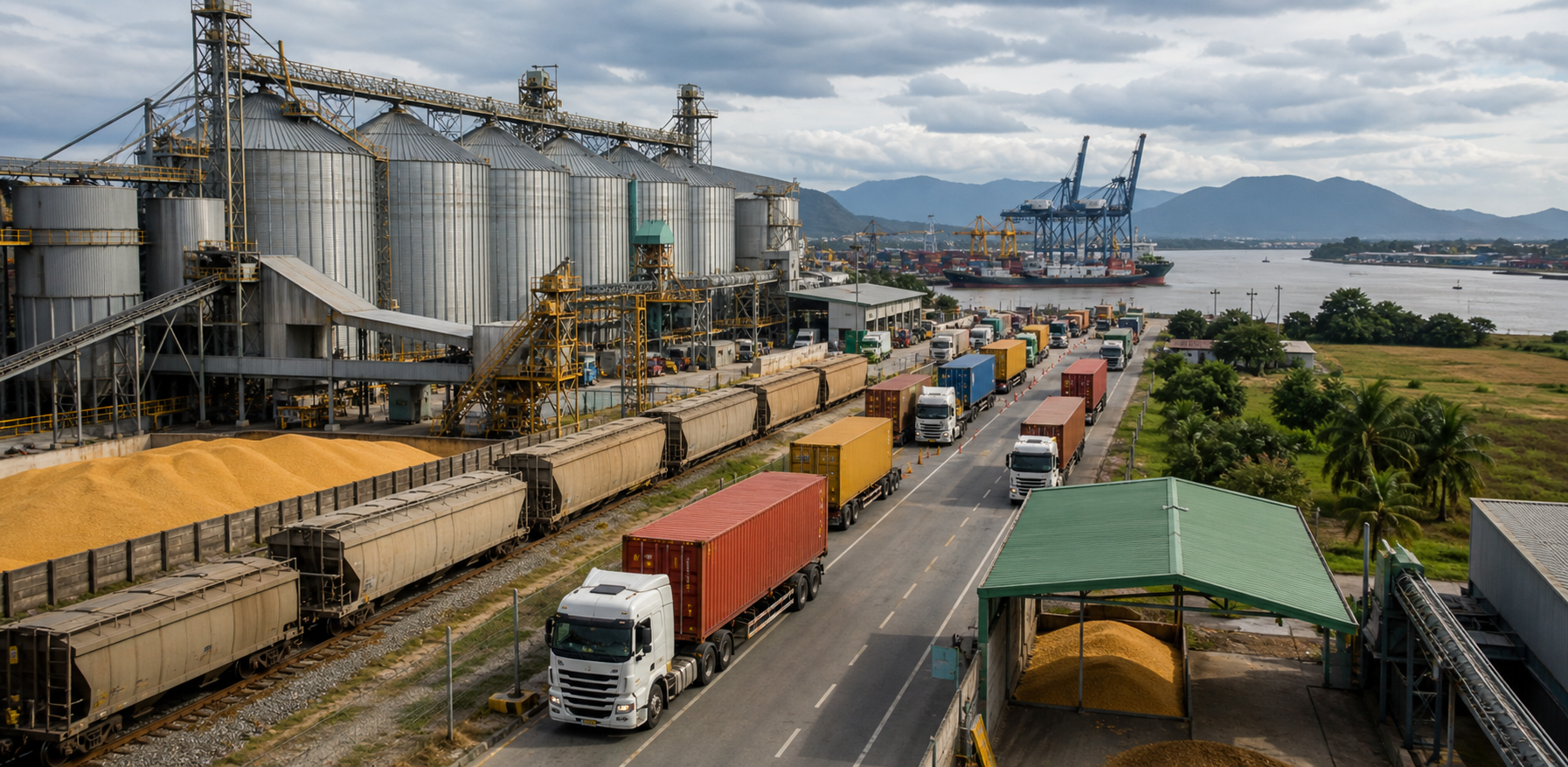
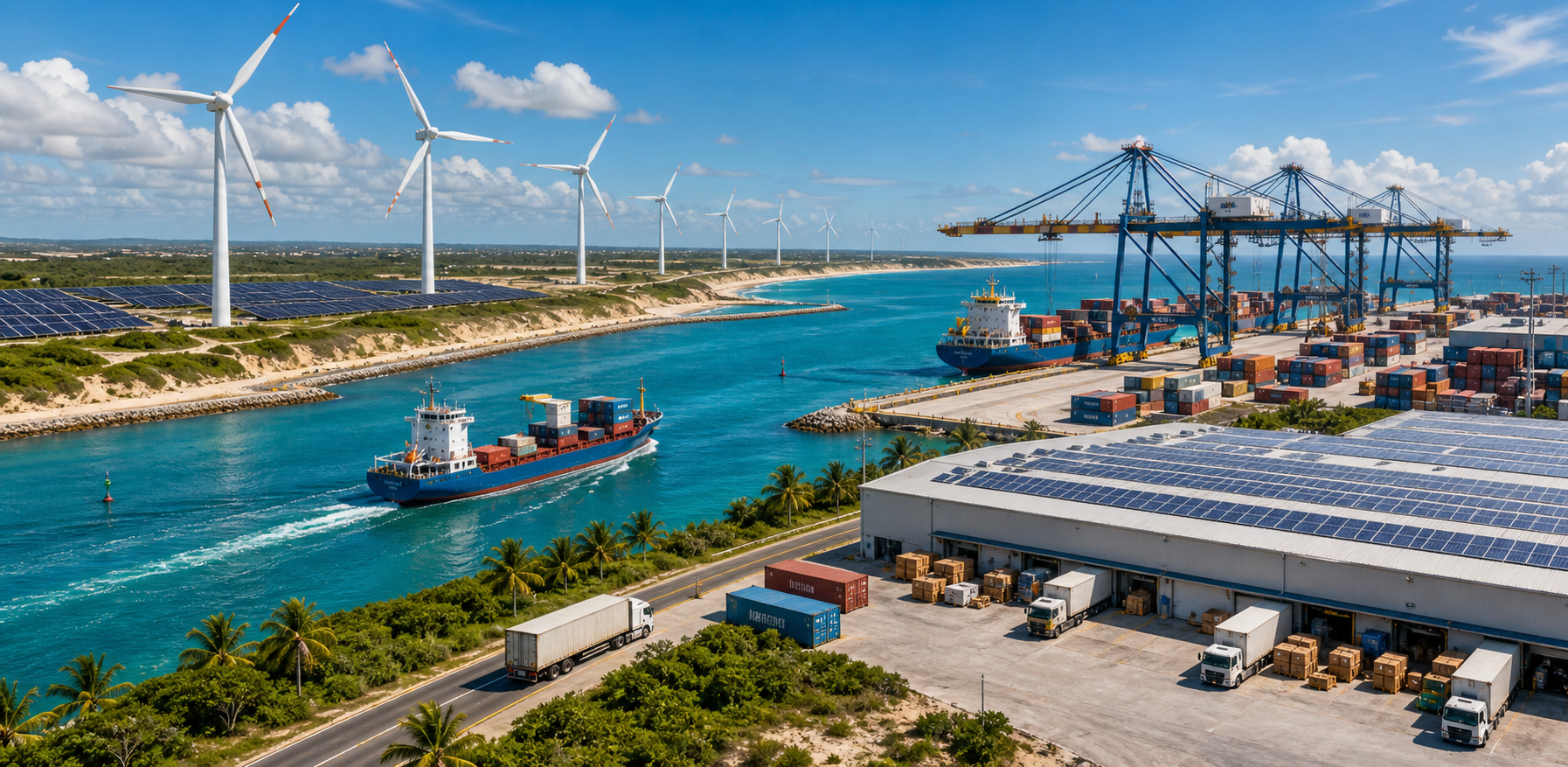
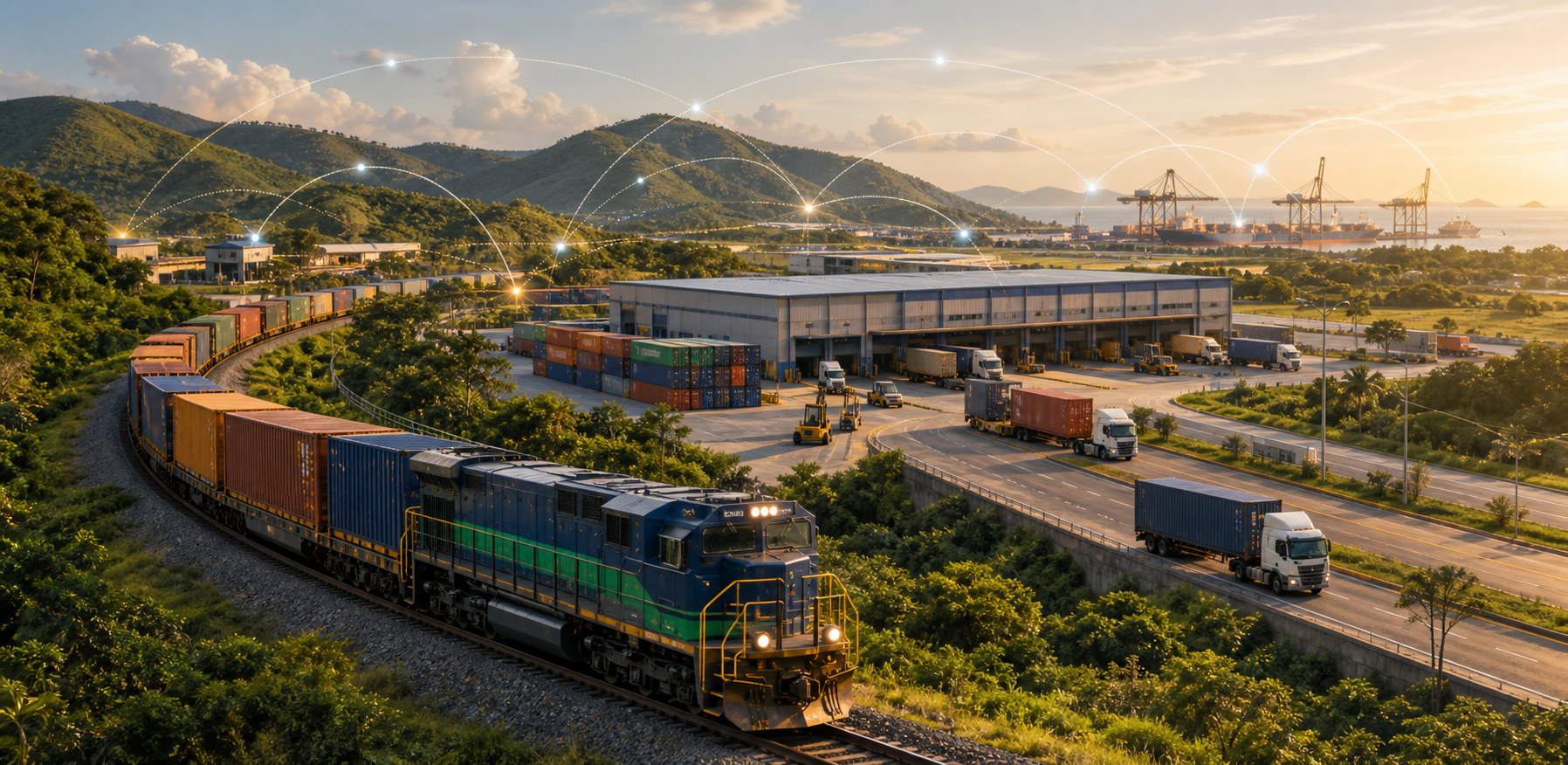
On the occasion of the 30th United Nations Climate Change Conference (COP30), the Brazilian government announced the successful completion of a multinational logistics corridor connecting the world's largest tropical rainforest—the Amazon region—with four major ports facing the Pacific Ocean in South America. The project, led by Brazil's Planning and Budget Minister Simone Tebet, was completed in November this year and was the subject of an exclusive interview with Brazilian media.
Since 2023, the Brazilian government has collaborated with Peru, Ecuador, and Colombia to advance the construction of this cross-border corridor that integrates waterway and road transport, and it was officially completed this November. The final project involved dredging the Upper Solimões River to make this stretch navigable.
Tebet stated, "Although the federal government has not yet held an official inauguration ceremony for the corridor, it is currently operational. What was once a highly deficient corridor has now taken shape. This is the most sustainable route in the government's push for South American integration, as it primarily relies on waterway transport, traversing the Solimões, Madeira, and Amazon rivers."
The government believes that the completion of this corridor during COP30 is symbolic because one of its key functions is to transport bio-economic products from the Amazon region to various parts of South America, particularly towards the Asian markets via the Pacific.
Tebet emphasized, "To protect the rainforest, sustainable livelihoods must be provided for the people of the Amazon region. This corridor will enhance the competitiveness of local cooperatives, from fisheries to coconuts, from açaí berries to rubber production, and more. Its core purpose is singular: to shorten transportation routes."
The government hopes that this corridor will enhance the export capabilities of machinery, equipment, and other industrial products manufactured in the Manaus Free Trade Zone for markets in South America and Asia while improving import logistics efficiency. Tebet also noted that the corridor will help promote regional exchanges and ecotourism development, for example, through low-carbon-emission barges and vessels.
In the first half of 2025, there was a significant increase in trade exports from the port of Tabatinga at the tri-border area of the Amazonas state with Colombia and Peru, which has greatly encouraged the federal government. This growth occurred before key complementary measures for the corridor were fully implemented, such as border customs construction and dredging of the Solimões River.
Tebet stated, "In 2024, trade volume through this corridor exceeded the total of the previous seven years. While the cargo volume is still relatively small, the growth rate is significant. For this long-term impoverished region, the corridor unleashes enormous potential."
Among the five major integration corridors in South America led by Brazil's Planning and Budget Ministry, this corridor is the most sustainable, with 100% water transport within Brazil, as water transport is considered the most environmentally friendly mode of transport.




China——Brazil Trajectory Tracking


+86 532-85066033/34






 中文简体
中文简体 ENGLISH