Introduction
In the first half of 2026, the security situation in the Red Sea has continued to deteriorate, with Houthi militant attacks on commercial vessels remaining persistently high. This has forced most major container liner companies to announce detours around the Cape of Good Hope. This decision has profoundly reshaped the logistics landscape of Asia-Europe trade routes, where extended transit times and sharp freight rate fluctuations have become the norm. In this context, how freight forwarding companies help clients optimize international logistics costs and find alternative routes has become a central topic for the industry. This article systematically reviews the current evolution of the Red Sea crisis, Asia-Europe freight rate trends, and explores the response strategies of freight forwarding service providers.
1. Red Sea Crisis: Current Situation and Root Causes
1.1 Persistently Tense Security Environment
Since the Houthi militant group announced military operations against commercial ships in the Red Sea in early 2024, the security alert level in the region has never subsided. As of May 2026, the Maritime Information Fusion Centre (MAIFIC) has recorded more than 230 attack incidents involving cargo ships, tankers, and bulk carriers of various types. Although multiple national navies have deployed escort task forces in the Red Sea, limited patrol coverage and response speed mean commercial vessels still face substantial attack risk. The insurance industry has classified the Red Sea as a high-risk area, with War Risk Premium charges remaining elevated, further increasing operating costs for shipping companies.
1.2 Cape of Good Hope Detour Becomes the Mainstream Choice
For safety reasons, nine of the top ten global liner companies by capacity have publicly announced Asia-Europe route detours around the Cape of Good Hope, abandoning the traditional route via the Suez Canal. Leading companies including COSCO Shipping, CMA CGM, and Maersk have clearly redeployed vessels to waters south of Africa. This detour adds seven to twelve days to the one-way voyage for Asia-Europe routes, with fuel consumption increasing by approximately 25% to 30%, making transportation cost optimization significantly more difficult. Some shipping companies have been forced to cancel certain sailings to redeploy capacity, leading to tightened spot market capacity.
1.3 Supply Chain Resilience Under Pressure
The impact of the Red Sea crisis on the global supply chain has far exceeded expectations. European importers face a realistic delivery delay of three to four weeks, with replenishment cycles for consumer goods, machinery, and chemical raw materials significantly extended. On the Asian export side, freight forwarding prices for China's trade with Europe show a clear divergence—traditional routes via the Red Sea command high risk premiums, while detour routes, while free of direct risk, carry substantial capital occupancy costs due to extended transit times. Industry insiders point out that the Red Sea crisis has evolved from a regional issue into a systemic supply chain challenge.
2. Deep Dive into Asia-Europe Freight Rate Trends
2.1 Spot Rate Volatility Characteristics
In the first half of 2026, the spot freight rates for Asia-Europe routes from Shanghai to European base ports showed a pattern of "high-level turbulence with intensified volatility." Using the Shanghai Export Container Freight Index (SCFIS) published by the Shanghai Shipping Exchange as reference, the index opened 2026 above 3,800 points in early January, surged to around 4,600 points by mid-March, reaching the second-highest level since the 2022 freight rate peak. Subsequently, as the off-season arrived and some shippers completed early shipments, freight rates retreated to around 3,500 points in April-May, yet remained significantly higher than the same period in 2023.
Behind the freight rate volatility lies a multiplicative effect of multiple factors. On one hand, the Cape of Good Hope detour has caused an effective capacity loss of approximately 15% to 20%, with container turnaround efficiency declining and vessel space tightening. On the other hand, restocking demand from Europe and the U.S. concentrated in early the year has sustained export cargo volume growth, with supply-demand phase mismatches driving up spot market freight forwarding service quotes. Additionally, the lingering effects of Panama Canal drought continue to impact transpacific route capacity distribution, with some vessels that could have been redeployed to Asia-Europe locked into Pacific routes, further intensifying capacity tightness.
2.2 Divergence Between Contract and Spot Markets
Notably, in 2026, the Asia-Europe route contract market and spot market have shown clearly divergent price trends. Annual contract freight rates negotiated between large shippers and liner companies are typically locked in early in the year, generally ranging from $2,800 to $3,200 per TEU (FAK), approximately 20% to 30% below spot market prices. This price gap means some small and medium-sized shippers must endure high spot market freight rates, facing severe challenges in logistics cost control. Freight forwarding companies play a critical information-brokering role in this process, helping clients analyze market trends and rationally schedule shipment timing to secure more favorable freight forwarding prices.
2.3 Sub-Route Freight Rate Comparison
The Red Sea crisis has had varying impacts on different sub-routes. West Africa routes have benefited from detour routing, with relatively stable freight rates; North European base port routes have been most directly affected by the detour, with freight rate increases leading globally; and Eastern Mediterranean routes have seen some ports become alternative destinations due to Red Sea disruptions, with clear cargo diversion trends. Below is a comparison of spot freight rates for major Asia-Europe sub-routes in May 2026 (USD/TEU):
| Route | Spot Rate (Average) | YoY Change | MoM Change |
|------|---------------------|------------|------------|
| Shanghai to Hamburg | 3,520 | +28% | -5% |
| Shanghai to Rotterdam | 3,480 | +31% | -6% |
| Shanghai to Antwerp | 3,550 | +29% | -4% |
| Shanghai to Valencia | 3,620 | +33% | -3% |
(Note: Data as of May 2026, compiled from publicly quoted rates by the Shanghai Shipping Exchange)
3. Freight Forwarding Response Strategies and Solutions
3.1 Diversified Routing Design and Contingency Planning
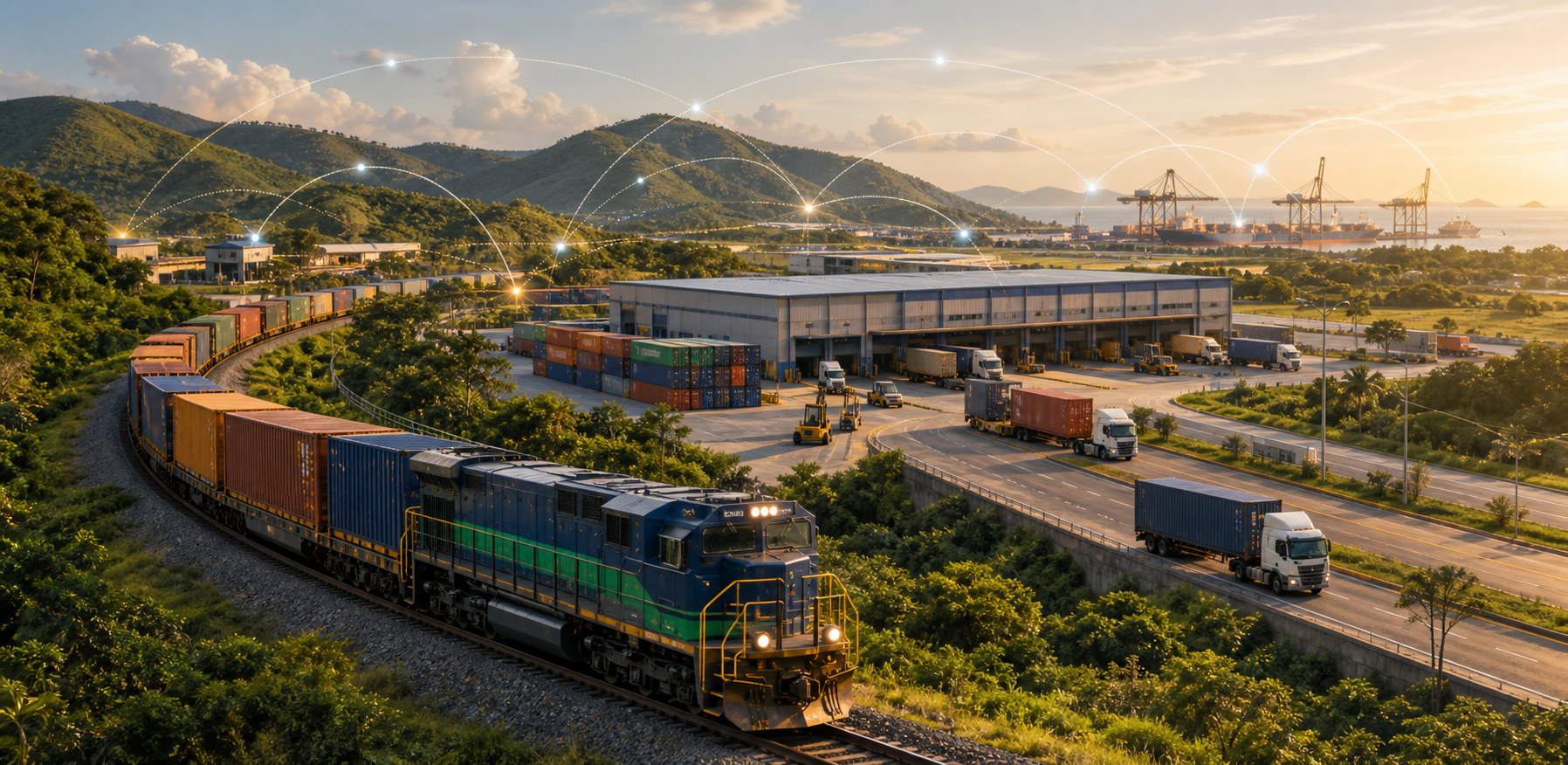
Facing route uncertainty brought by the Red Sea crisis, mainstream freight forwarding companies have incorporated "diversified routing design" into their core service capabilities. Professional freight forwarding service teams, upon receiving client inquiries, typically provide three to four alternative plans: Option one is the traditional Red Sea route, accepting elevated risk premiums and war risk surcharges; option two is the standard Cape of Good Hope detour, adding approximately ten days to transit time with relatively moderate freight rates; option three is an intermodal solution using rail-sea or China-Europe Express trains, suitable for high-value cargo and time-sensitive shipments. Some freight forwarding companies have also developed "dynamic route optimization systems" that can automatically generate cost-and-time optimal combinations based on real-time shipping market conditions and client requirements.
3.2 Freight Rate Locking and Hedging Mechanisms
In an environment of sharply volatile freight rates, helping clients lock in favorable rates has become a key component of freight forwarding services. Freight forwarding companies with futures-spot integration capabilities can assist clients in hedging freight rate risk through Forward Freight Agreements (FFA), locking in contract prices when spot market rates are elevated. Additionally, some freight forwarding companies have partnered with banks to launch "freight rate insurance" products, providing risk hedging channels through insurance mechanisms. From a transportation cost optimization perspective, choosing the right shipment window and rationally combining contract and spot cargo ratios are the keys to reducing overall logistics costs.
3.3 Warehouse Pre-Positioning and Supply Chain Finance
Extended shipping transit times caused by the Red Sea crisis are forcing shippers to reassess their inventory management strategies. Freight forwarding companies can leverage supply chain coordination advantages in this area, assisting clients in establishing overseas warehouses at key nodes in Southeast Asia and Central/Eastern Europe, pre-positioning some inventory near destination ports. This approach reduces uncertainty in last-mile delivery while the "overseas warehouse + last-mile delivery" model provides more flexible fulfillment options for e-commerce clients and consumer goods customers. Meanwhile, supply chain finance products offered by freight forwarding companies in partnership with financial institutions can help clients ease cash flow pressure caused by extended capital occupancy cycles.
3.4 Client Communication and Risk Early Warning
The Red Sea crisis has raised higher requirements for freight forwarding industry service capabilities. Excellent freight forwarding service teams need to do more than provide freight rate quotes—they must establish normalized market risk early warning mechanisms. By regularly publishing Red Sea situation assessments, freight rate trend analyses, and shipping recommendations, they help clients factor geopolitical risks into supply chain planning from the outset. Moreover, when emergency events occur (such as vessel detentions or urgent route adjustments), the ability to respond quickly and provide alternatives directly reflects the professional value and service quality of freight forwarding companies.
4. Industry Ecosystem Impact and Mid-to-Long Term Outlook
4.1 Reshaping the Global Logistics Network Layout
The profound impact of the Red Sea crisis lies in its acceleration of the global logistics network reshaping process. Several international logistics giants have announced adjustments to their Central/Eastern European hub layouts, diverting some cargo originally transiting through Dubai or Alexandria to the Greek port of Piraeus or Istanbul, Turkey. Intra-Asian logistics channels are also changing—among cargo moving from China, Japan, and South Korea to Europe, the share of shipments from Southeast Asian countries like Vietnam and Thailand has increased, reflecting the dual logic of industrial gradient transfer and supply chain risk diversification.
4.2 Impact on Freight Forwarding Industry Competition
During the Red Sea crisis, freight forwarding companies with global network coverage and diversified service capabilities have demonstrated prominent competitive advantages. Leading enterprises such as Kuehne+Nagel, DHL Global Freight, and Sinotrans,凭借其广泛的海外代理网络和多式联运服务能力,在运力紧张的时期仍能为客户提供相对稳定的物流解决方案。相比之下,中小型货代企业因资源整合能力有限,在运价波动和信息不对称的双重挤压下利润空间收窄,行业分化趋势加速。
Trends and Outlook
The direction of the Red Sea crisis remains highly uncertain, but its deep-rooted impact on international logistics will continue to unfold. In the short term, the cost increases and transit time extensions from Cape of Good Hope detours will become the "new normal" for Asia-Europe routes, and the freight forwarding price volatility centre is expected to remain above pre-pandemic levels. Freight forwarding companies need to further strengthen digital service capabilities and improve the precision of freight rate forecasting and route optimization to cope with continuously changing market environments.
From a mid-to-long term perspective, the Red Sea crisis has accelerated the diversification and regional restructuring of global supply chains. The value creation model for the freight forwarding industry is transitioning from a simple freight rate intermediary to a comprehensive supply chain service provider. The connotation of freight forwarding services has expanded to include risk management, inventory optimization, supply chain finance, and other value-added domains. For Chinese freight forwarding companies, deepening logistics channel development along the Belt and Road routes and enhancing China-Europe Express and intermodal service capabilities will be key directions for capturing structural opportunities. Only by building core competitive advantages through professional capabilities and service quality can companies achieve long-term development in an environment full of uncertainty.




China——Brazil Trajectory Tracking


+86 532-85066033/34






 中文简体
中文简体 ENGLISH
