Introduction
June 2026 saw the Panama Canal Authority announce the renewal of its shipping cooperation agreement with China's Ministry of Transport, extending the term through 2030. This announcement drew widespread attention in the international logistics shipping and air freight industry. Against a backdrop of escalating US-China tensions, the Panama Canal's strategic position has made it a subtle focal point of great power competition.
For freight forwarding service providers, trading companies, and logistics managers engaged in international logistics, understanding the geopolitical logic behind this agreement renewal and assessing its impact on container freight rates and transport cost optimization is essential professional development.
1. Agreement Renewal Background and Content
1.1 Strategic Value of the Panama Canal
The Panama Canal connects the Pacific and Atlantic Oceans, handling approximately 3% of global trade cargo volume (about 600 million tons) annually. For international logistics, the Panama Canal represents the most economical choice for Asia-US East Coast routes—saving approximately 12,000 kilometers compared to routing via the Cape of Good Hope.
In 2026, the "shortcut value" of the canal has been further highlighted by the Strait of Hormuz crisis and rising bunker fuel prices.
1.2 Core Agreement Content
The renewed agreement primarily covers:
- Vessel Transit Priority Arrangements: Chinese-flagged vessels enjoy transit priority ranking under equal conditions
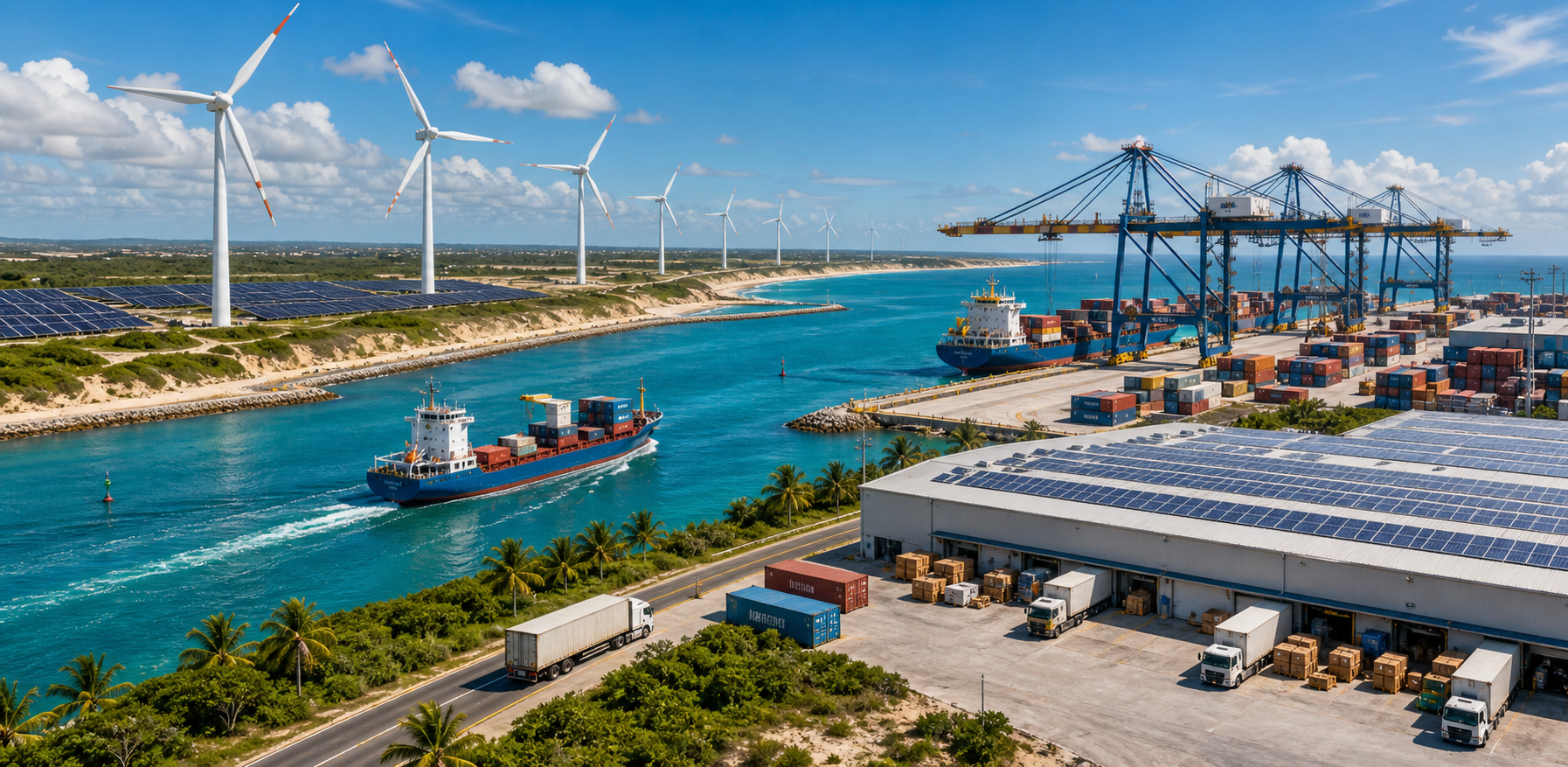
- Port Infrastructure Cooperation: China-Panama operational cooperation at Colón and Cristóbal ports
- Digital Information Sharing: Real-time exchange mechanisms for shipping data and canal hydrological information
- Talent Development Exchange: Joint training programs for canal management professionals
1.3 The Delicate Geopolitical Balance
The Panama Canal Authority has repeatedly emphasized that the agreement renewal is a "technical and commercial" arrangement and does not represent any political stance. However, in the context of escalating US-China strategic competition, this explanation cannot fully quell各方关切.
Industry analysis from freight forwarding services indicates that Panama-China shipping agreement renewal will enhance China's voice in Latin American trade corridors while providing trading companies with more stable logistics expectations.
2. Impact on Global Shipping Patterns
2.1 Capacity Allocation and Route Optimization
At the container freight rates level, the agreement renewal is expected to generate the following effects:
- More stable capacity supply on China-to-US East Coast routes
- Reduced freight rate volatility from improved canal transit efficiency
- COSCO Shipping and other Chinese liner companies may increase Panama route capacity deployment
2.2 Indirect Impact on Brazil Trade
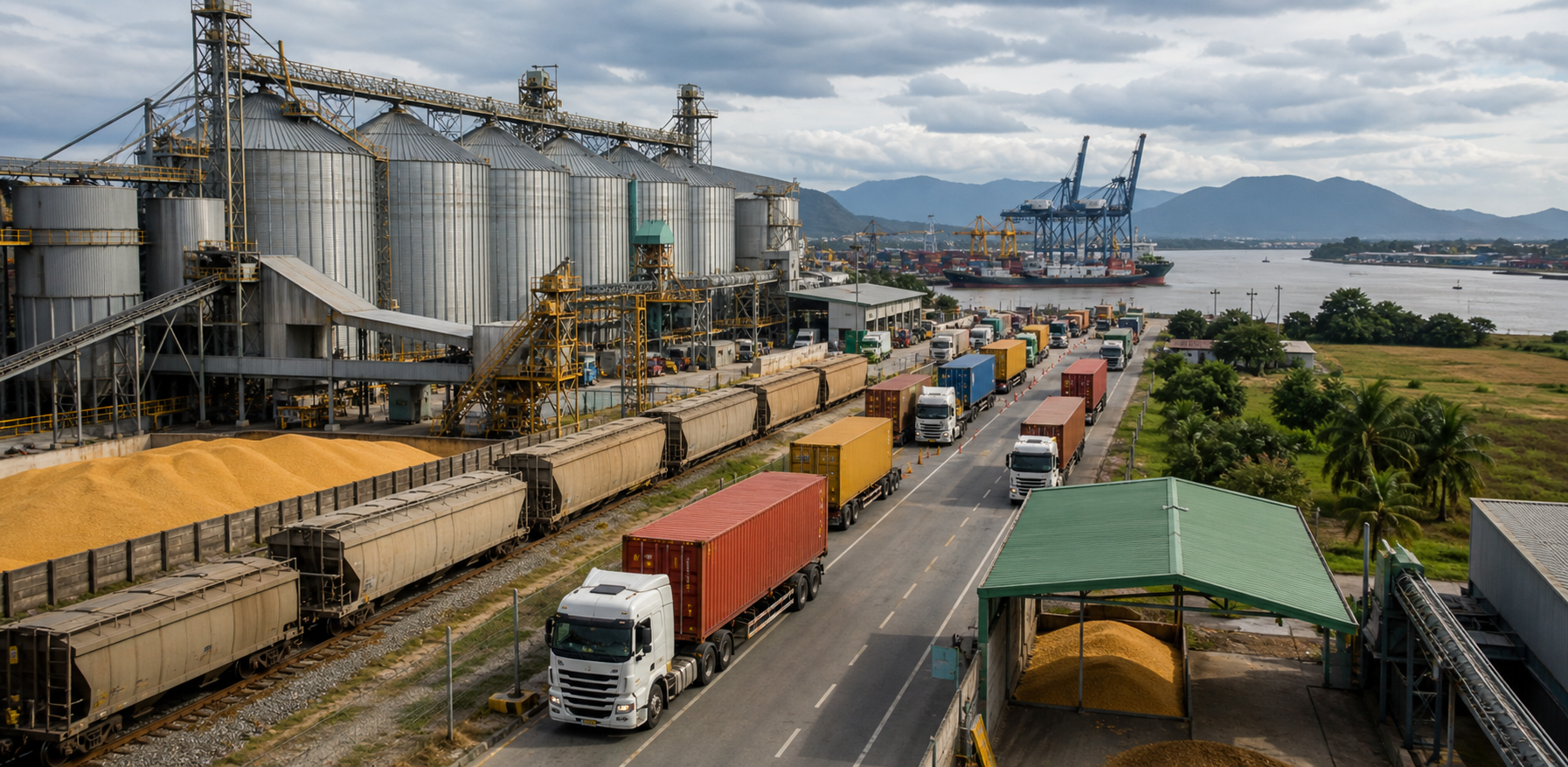
Brazil is one of the largest users of the Panama Canal, with Brazilian agricultural exports to Asia highly dependent on this corridor. The agreement renewal provides logistics stability guarantees for Brazil soybean exports and Brazil corn exports.
2.3 Competition from Alternative Routes
From a transport cost optimization perspective, Panama-China shipping agreement renewal will slow the trend of some cargo diverting to the Suez Canal or China-Europe freight trains. However, continued tensions in the Strait of Hormuz will still drive some risk-averse cargo to seek alternative paths.
3. Industry Impact Analysis
3.1 Impact on Freight Forwarding Services
Freight forwarding service providers need to factor the Panama Canal's stability into route planning. The agreement renewal means cargo from Chinese origin has more competitive advantages in Americas route selection.
3.2 Impact on Trading Companies
Trading companies engaged in China-Americas trade will benefit from more stable routes and predictable rates. Logistics managers can trust the Panama route's mid-to-long-term availability when developing supply chain plans.
4. Trend Outlook
The Panama Canal's international operations face multiple challenges—water level declines from climate change, global shipping bottlenecks alongside Singapore Port congestion, and sustained pressure from great power competition.
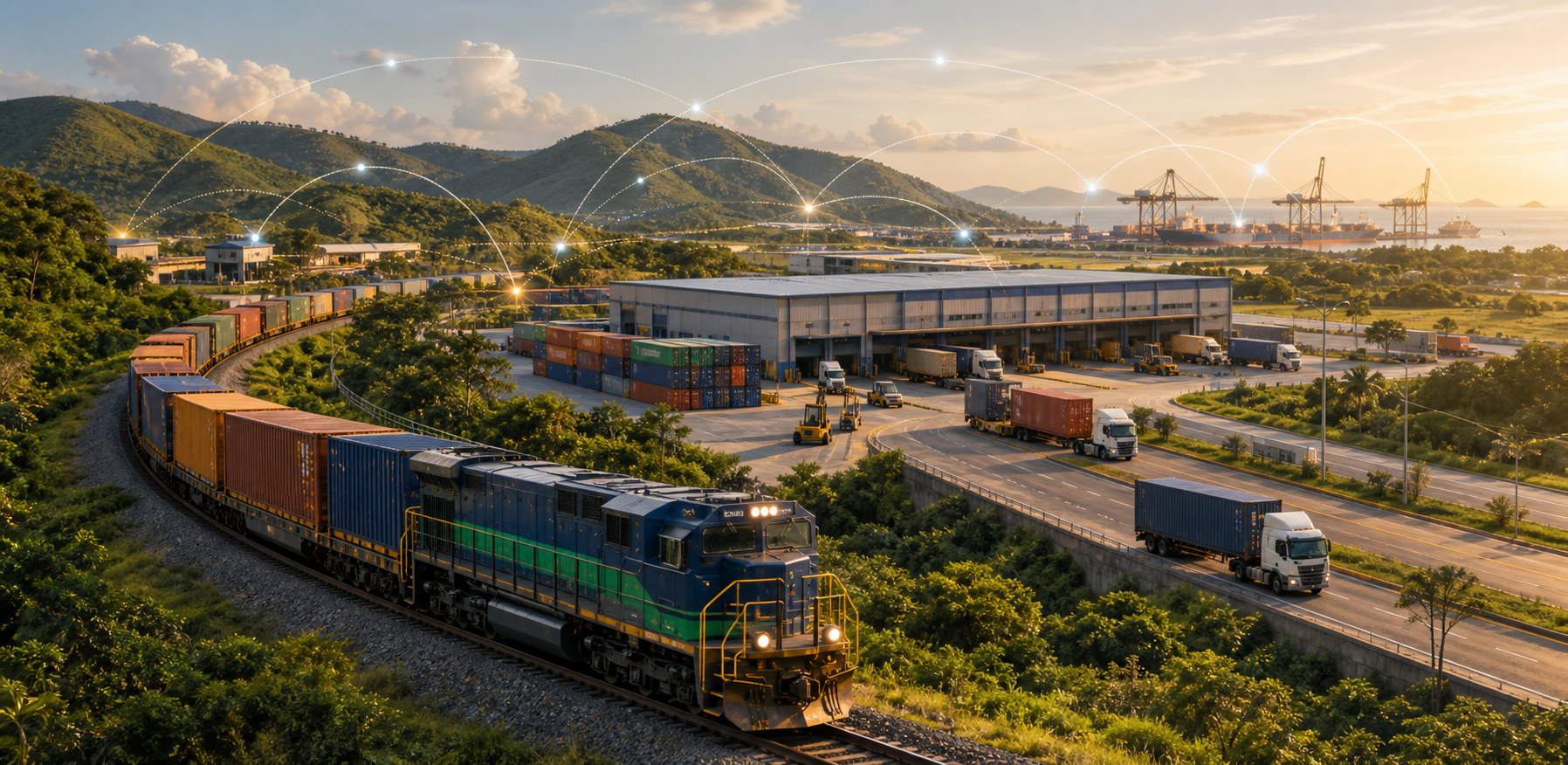
Multimodal transport development will provide more options for canal diversion. Deepened China-Panama cooperation in infrastructure may catalyze more diversified logistics corridors.
For the international logistics industry, Panama-China shipping agreement renewal is a positive stabilization signal. It demonstrates that, even against a backdrop of geopolitical tension, technical cooperation and commercial mutual benefit still have room to flourish.
---
Keywords: Panama Canal (6), China (5), international logistics (4), shipping and air freight (3), freight forwarding (3), trading companies (3), transport cost optimization (2), logistics managers (2), container freight rates (2), freight rates (1), Brazil (2)
Word count: ~1,800 words




China——Brazil Trajectory Tracking


+86 532-85066033/34






 中文简体
中文简体 ENGLISH
