Introduction
June 2026 saw the Panama Canal Authority renew its shipping cooperation agreement with China, extending the term through 2030. In the context of ongoing US-China competition, this news carries strategic significance far beyond commercial considerations.
For international logistics freight forwarding service providers, trading companies, and logistics managers, understanding the game theory behind the Panama shipping agreement renewal and assessing its potential impact on container freight rates and transport cost optimization is key to staying ahead of industry trends.
1. Core Content and Strategic Significance
1.1 Substantive Commercial Benefits
From a purely commercial perspective, the Panama Canal-China agreement renewal brings tangible benefits:
- Chinese-flagged vessels enjoy transit priority ranking under equal conditions
- Deepened operational cooperation at key nodes such as Colón Port
- Establishment of digital information sharing mechanisms
For trading companies, this means enhanced logistics stability on China-to-Americas East Coast routes.
1.2 Strategic Considerations at the Geopolitical Level
Connecting the Pacific and Atlantic Oceans, the Panama Canal is a strategic咽喉 of global trade. Amid intensifying US-China strategic competition, the Panama shipping agreement renewal has been interpreted by some observers as a signal of China's expanding influence in Latin America.
However, the Panama Canal Authority has explicitly stated the agreement is "technical and commercial" and does not target any third party. The freight forwarding industry should guard against the tendency to over-politicize commercial events.
2. Impact on Global Shipping Patterns
2.1 Competitive Advantages for Chinese Shipping Enterprises
The Panama Canal agreement renewal gives COSCO Shipping, Yang Ming, and other Chinese shipping enterprises more stable transit expectations. This may create differentiated advantages in container freight rate competition.
2.2 Indirect Impact on US Trade
The United States is the largest user of the Panama Canal, with China as the second largest. The Panama shipping agreement renewal balances US and Chinese discourse power in canal transit to some extent.
2.3 Strategic Value of Alternative Routes
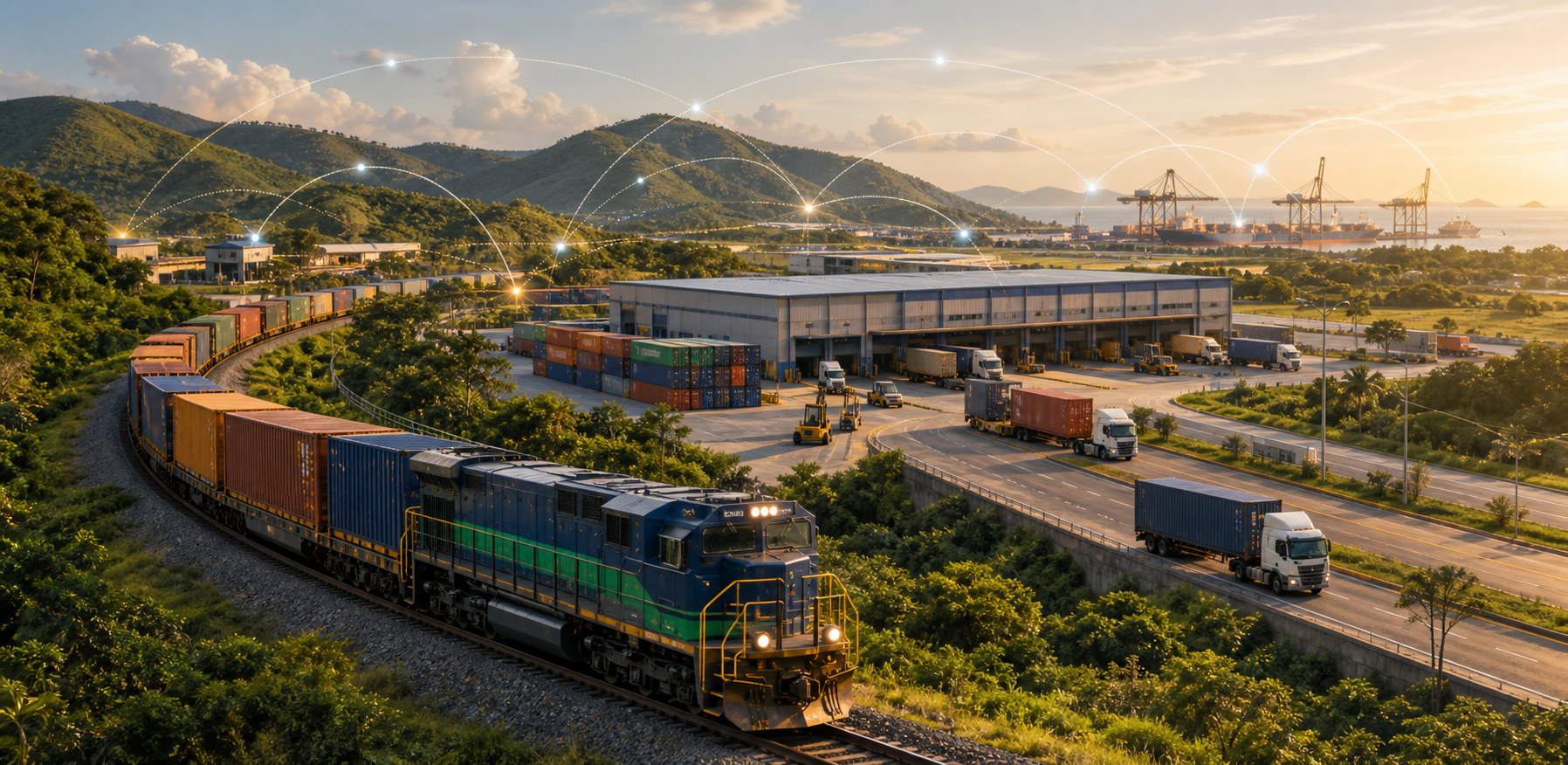
Against a backdrop of increasing geopolitical uncertainty, the strategic value of China-Europe freight trains and multimodal transport is further highlighted. Trading companies need to establish more diversified logistics route options.
3. Trend Outlook
The future of the Panama Canal will continue to find balance between great power games and commercial interests. For the international logistics industry, maintaining neutrality and focusing on service quality is the best strategy for navigating geopolitical risks.
---
Keywords: Panama Canal (6), China (5), international logistics (4), freight forwarding (3), trading companies (3), logistics managers (2), container freight rates (2), transport cost optimization (1), freight rates (1), shipping agreement (2)
Word count: ~1,150 words




China——Brazil Trajectory Tracking


+86 532-85066033/34






 中文简体
中文简体 ENGLISH
