Introduction
June 2026 finds Singapore Port—the world's second-largest container port—experiencing unprecedented congestion. With average berthing delays reaching 7 days and over 450,000 TEU of containers backlogged, this figure刷新了2021年疫情期间创下的记录. For international logistics companies, freight forwarding service providers, and trading companies relying on Singapore transshipment, this crisis is reshaping the Asia-Pacific shipping landscape.
Singapore Port's congestion is not an isolated case. Global port congestion has become the theme word for the 2026 shipping industry, reflecting deep contradictions between supply chain resilience and globalization efficiency. Understanding this structural dilemma is crucial for logistics managers developing transport cost optimization strategies.
1. Singapore Port: The Key Node in Global Supply Chains
1.1 The Vulnerability of Hub Status
Singapore Port handles approximately 20% of global container transshipment volume, with about 30% of Asia-Europe cargo transshipped here. Its strategic position—at the eastern end of the Strait of Malacca—makes it the only deep-water channel connecting the Pacific and Indian Oceans. However, this very "indispensability" means any operational disruption generates enormous amplification effects.
The congestion in June 2026 stems from multiple overlapping factors: the early arrival of the Asian export peak season, declining efficiency of intra-regional port coordination, and some liner companies adjusting port call strategies to concentrate volumes in Singapore.
1.2 Scale and Impact of Congestion
According to data from the Singapore Maritime and Port Authority (MPA), as of the first week of June 2026:
- Number of container vessels in port: approximately 320 (historical average approximately 280)
- Average waiting time for berths: 7.2 days (historical average approximately 1.5 days)
- Backlogged cargo volume: over 450,000 TEU
- Vessels waiting at anchor: some voyages delayed over 10 days
For cross-border e-commerce and time-sensitive cargo, this means delivery cycles extending by 15-20 days. Supply chains for electronics, automotive parts, and pharmaceuticals have been severely impacted.
2. Deep Analysis of Congestion Causes
2.1 Seasonal Overlap on the Demand Side
2026's congestion has special background. First, Amazon Prime Day stocking season arrived early, driving a surge in China-to-Southeast Asia export volumes; second, the Strait of Hormuz crisis promoted some cargo originally passing through the Middle East to reroute through Singapore for transshipment; additionally, peak Brazilian soybean exports occupied some port resources globally.
2.2 Structural Bottlenecks on the Supply Side
Analysis from the freight forwarding industry shows that deep causes of Singapore Port congestion include:
- Terminal throughput limits: Although the Pasir Panjang terminal continues expansion, efficiency actually declined during automated equipment commissioning
- Truck resource shortages: Trailer dispatch efficiency inside and outside the port area dropped approximately 20%
- Customs clearance delays:磨合 issues during the AI clearance system upgrade transition period
- Crew change difficulties: International crew change restrictions causing delays in some vessel周转
2.3 Liner Company Strategy Adjustments
Leading liner companies have begun adjusting port call strategies:
- Maersk reduced Singapore call frequency, guiding some volumes to Tanjung Pelepas
- CMA CGM strengthened Port Klang as an alternative transshipment option
- COSCO Shipping increased direct departure proportion from Shekou
3. Multi-Dimensional Impact on Global Shipping Markets
3.1 Regional Freight Rate Differentiation
Container freight rates show clear regional differentiation:
- Singapore transshipment routes (East China-Singapore-Europe) rates up 18%
- Direct shipping routes (South China-Europe) rates up 8%
- Southeast Asia intraregional routes rates up 25%
Freight forwarding rates regional differences create arbitrage opportunities but also increase supply chain management complexity.
3.2 Delivery Time Uncertainty
Logistics managers need to reassess inventory strategies. Longer transport times mean safety stock needs to increase by 15%-25%. For trading companies, delivery date communications with overseas customers require more buffer.
3.3 Impact on Brazil Imports
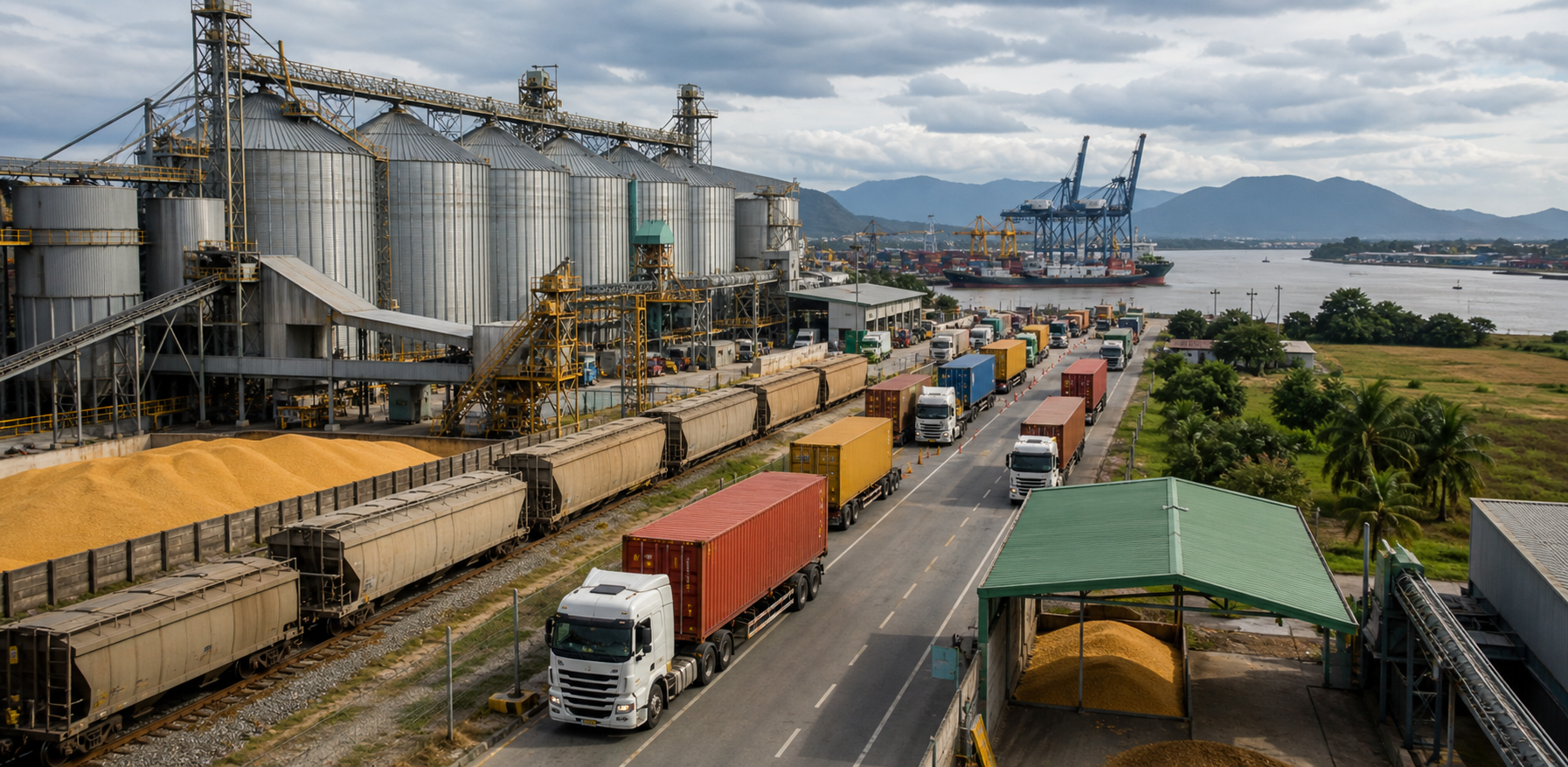
Indirect impacts are also noteworthy. Singapore Port is an important transshipment node for Brazilian corn and soybean exports to Asia. Port congestion will delay Brazilian agricultural product arrival time windows in China, potentially supporting international corn prices in the short term.
4. Freight Forwarding Company Response Strategies
4.1 Route Optimization: Bypassing Singapore
Freight forwarding service providers are actively promoting alternative routes:
- Tanjung Pelepas Port (Malaysia): Only 30km from Singapore, can serve as an urgent alternative
- Port Klang (Malaysia): Ample terminal capacity, with waiting times approximately 2-3 days
- Colombo Port (Sri Lanka): Alternative for South Asia-Europe routes
- China direct shipping: Increasing direct departure proportion from Shekou, Nansha, and Yantian to reduce Singapore dependence
4.2 Digital Tracking and Early Warning
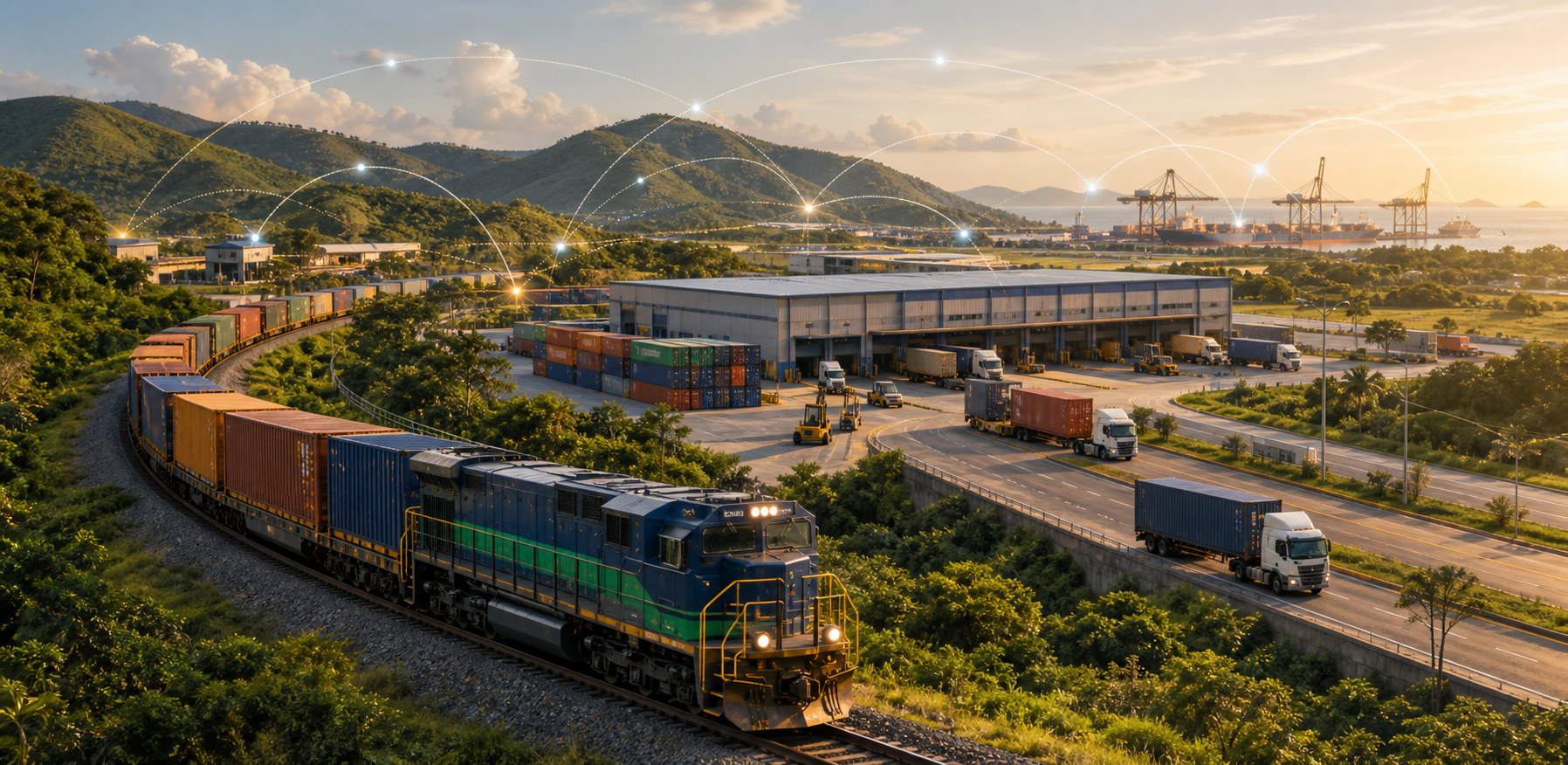
Leading international logistics companies have deployed real-time port tracking systems. By integrating Singapore Port Authority data, liner company ETA information, and weather and sea condition forecasts, 72-hour advance warnings of possible cargo delays can be provided. Logistics managers should collaborate with freight forwarding service providers to establish information sharing mechanisms.
4.3 Customer Communication and Expectation Management
Transparent, proactive communication is key to maintaining customer relationships. Freight forwarding companies should inform customers of congestion situations in advance, provide multiple alternative solutions, and take "certainty" as the core value of services.
5. Trend Outlook: Systemic Challenges of Global Port Resilience
Singapore Port's congestion reflects deep fragility in global shipping systems. Post-pandemic supply chain restructuring remains incomplete, geopolitical risks continue rising, and extreme weather events occur frequently—these factors jointly constitute a new normal for the international logistics industry.
Over the next three to five years, multimodal transport and digitalized supply chains will become keys to resolving the impasse. Transport cost optimization should not only focus on freight rates themselves but should consider overall supply chain efficiency and resilience.
For logistics managers, establishing "port congestion contingency plans" will become part of standard operating procedures. For freight forwarding service providers, the transformation from "capacity brokerage" to "solution design" will determine who stands out in this crisis.
---
Keywords: Singapore Port (6), international logistics (5), freight forwarding (4), trading companies (3), transport cost optimization (3), logistics managers (3), container freight rates (3), freight rates (2), cross-border e-commerce (2), global port congestion (2), Brazil (1)
Word count: ~2,100 words




China——Brazil Trajectory Tracking


+86 532-85066033/34






 中文简体
中文简体 ENGLISH
