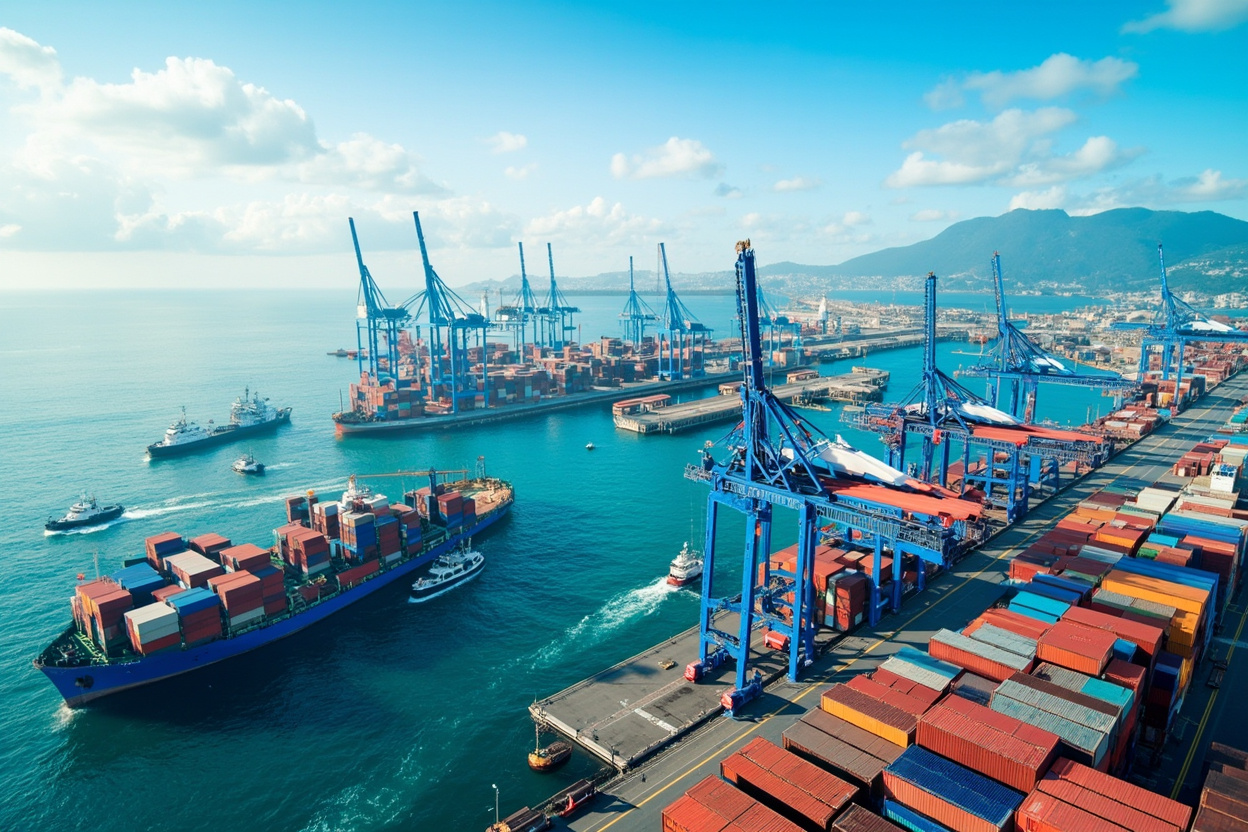
In May 2026, the Ministry of Transport officially issued its ocean shipping market industry rectification and penalty announcement, marking China's regulation of the international logistics sector entering a brand new stage. This crackdown is not all bark and no bite — it is the real deal, and the foreign trade freight forwarding industry, as a key regulatory target, is facing unprecedented compliance pressure. Meanwhile, the three shipping giants — Maersk, CMA CGM, and Hapag-Lloyd — simultaneously raised freight rates on May 15, adding to the regulatory storm. The operating environment for freight forwarding companies and foreign trade companies is undergoing profound changes.
This article systematically outlines the core content of this crackdown, analyzes compliance pathways for freight forwarding enterprises under the new landscape, and provides practical recommendations for industry practitioners.
For a long time, China's international logistics market has suffered from several structural problems, particularly in the international maritime services sector, where violations have persisted despite repeated bans. Freight rate manipulation, space hoarding, and unreasonable charges have long troubled foreign trade enterprises and freight forwarding companies.
On one hand, some shipping companies and freight forwarding enterprises have profited massively through collusive bidding and price rigging; on the other hand, space hoarding has artificially tightened market supply, leaving foreign trade enterprises facing a "shortage of available space" dilemma. In terms of charging, various types of surcharges, peak season surcharges, and emergency fuel surcharges have accumulated, causing no end of complaints from foreign trade enterprises whose profit margins were already thin.
The Ministry of Transport's decision to intervene with a crackdown at this juncture is related not only to considerations of maintaining fair market competition but also to the complexity of the current foreign trade situation.
According to the official announcement published in May 2026, this crackdown primarily targets the following three categories of violations:
Some shipping and freight forwarding enterprises have secretly coordinated freight rates through information-sharing platforms, forming de facto price alliances. The Ministry of Transport has explicitly stated that any form of freight rate manipulation is subject to severe crackdown. Upon verification, enterprises face substantial fines, and those with serious circumstances may have their operating licenses suspended or revoked.
Some freight forwarding enterprises, leveraging special relationships with shipping companies, massively hoard space and resell it at inflated prices, causing actual circulating space in the market to be far below the total supply. The crackdown will focus on investigating such behavior and reviewing historical transaction records.
Various undisclosed surcharges, opaque fee structures, and contract terms containing unfair clauses have also been included in this crackdown's scope. Freight forwarding enterprises must conduct a comprehensive review of their own fee systems to ensure compliance with the International Maritime Regulations and related regulatory requirements.
Just as the regulatory announcement was published, the three global shipping giants — Maersk, CMA CGM, and Hapag-Lloyd — simultaneously announced freight rate increases on May 15. This move, seemingly contrary to the regulatory crackdown, in fact reflects the deep-seated contradictions in the current ocean shipping market.
Behind the freight rate increases lies multiple pressures: sustained global supply chain tightness, recurring port congestion, and rising fuel costs. However, for the foreign trade freight forwarding industry, the dual impact of shipping company rate increases combined with regulatory crackdown is accelerating industry consolidation. Small and medium-sized freight forwarding enterprises lacking scale advantages and compliance systems will face severe survival pressures.
Faced with this new regulatory normal, freight forwarding enterprises should not view compliance as a burden but rather as a strategic opportunity to enhance competitiveness. Here are three core recommendations:
Freight forwarding enterprises must conduct a comprehensive review of existing contract texts to ensure clear terms and balanced rights and responsibilities. In particular, freight rate adjustment clauses, space allocation clauses, and fee settlement clauses must comply with industry regulatory standards and must not contain vague language or one-sided liability exemptions.
Establishing a transparent and fair quotation system is the foundation of compliant operations. All quotations must itemize fee details clearly, and no undisclosed fees may be added during contract performance. Additionally, a comprehensive document retention system must be established, including booking confirmations, bill of lading copies, and fee invoices, to be available for regulatory inspection.
Compliance is not only a systemic issue but also an awareness issue. Freight forwarding enterprises should regularly organize employees to study the latest regulatory policies, understand the specific requirements of the International Maritime Regulations, and integrate compliance concepts into daily business operations.
It is foreseeable that 2026 will become a watershed for the standardized development of China's international logistics industry. Strengthened regulation will eliminate a batch of non-compliant small and medium-sized enterprises, while leading freight forwarding enterprises and logistics service providers with complete compliance systems will capture greater market share during this round of consolidation.
For foreign trade enterprises, selecting freight forwarding service providers with good compliant operating records is not only a guarantee of their own supply chain security but also a rational choice aligned with regulatory trends.
Looking ahead, the Ministry of Transport's crackdown is expected to proceed on a normalized basis, gradually covering other logistics sectors such as air transport and railway transport. Freight forwarding enterprises can only stand invincible in fierce market competition by proactively embracing compliance.
This article synthesizes publicly available information including the Ministry of Transport's May 2026 industry crackdown announcement and official freight rate adjustment notices from Maersk, CMA CGM, and Hapag-Lloyd. It is for industry reference only and does not constitute legal or investment advice.
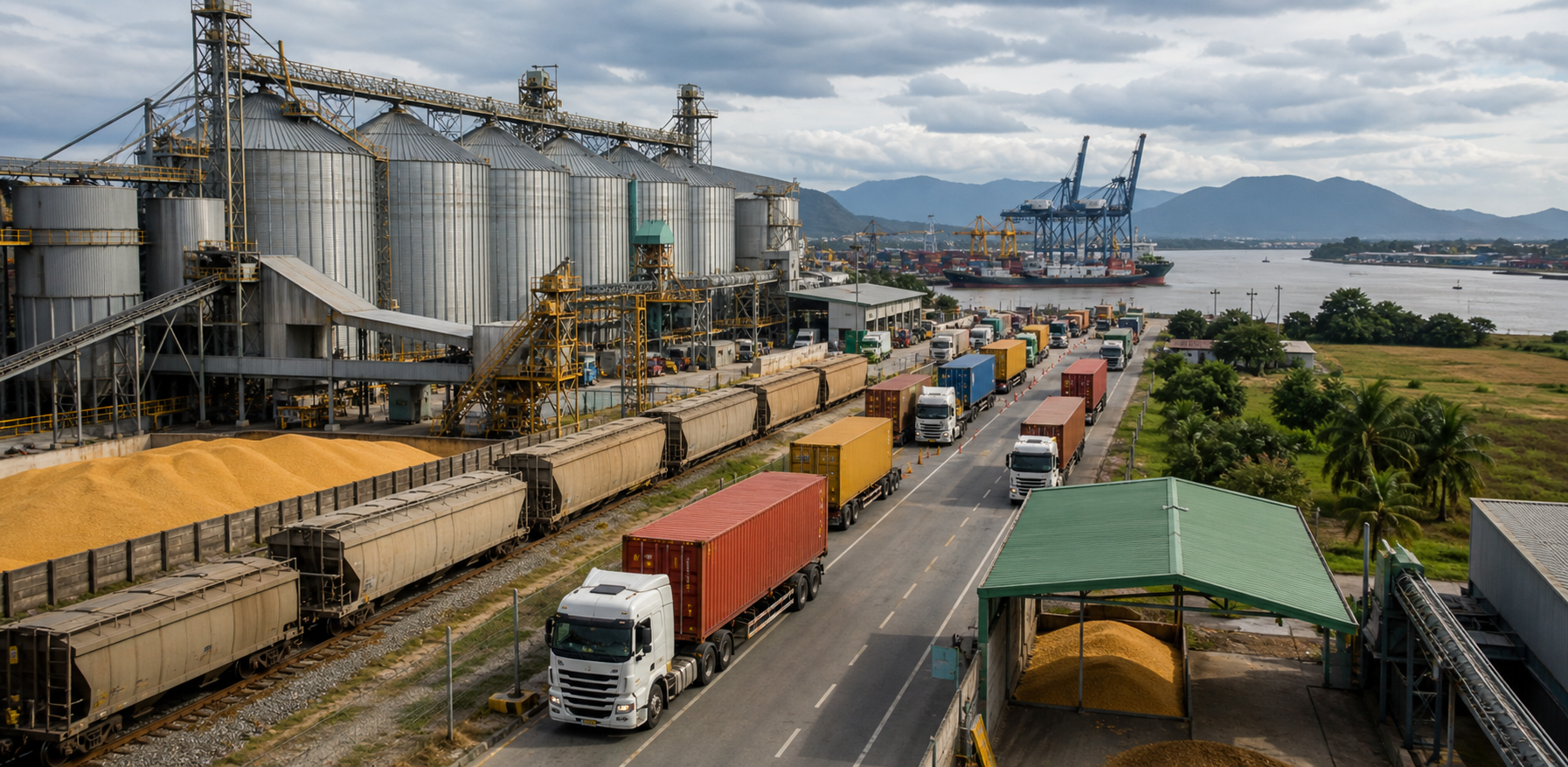






China——Brazil Trajectory Tracking



+86 532-85066033/34






 中文简体
中文简体 ENGLISH
