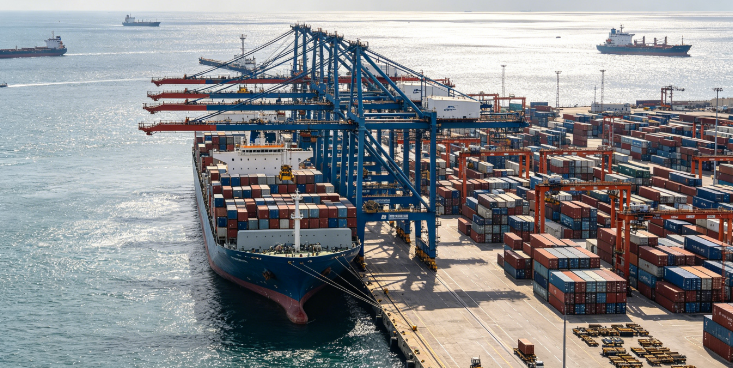
A new analysis by Transport & Environment (T&E) shows that due to the conflict in the Gulf region, the shipping industry is incurring an additional €340 million in fuel costs every day. Ninety-nine percent of the global fleet relies on fossil fuels, leaving it directly exposed to price volatility and supply disruption risks. T&E states that improving energy efficiency, electrification, and the use of e-fuels can effectively shield shipping from price shocks.
Marine fuel prices have surged sharply. Very Low Sulfur Fuel Oil (VLSFO) in Singapore has risen to €941 per tonne, an increase of 223% since the start of 2026. Over the same period, LNG prices have jumped 72% since early March. Since February 28, shipping companies have paid more than €4.6 billion in extra fuel costs.
This has highlighted the competitiveness of alternative fuels. As fossil fuel prices hit record highs, the cost gap with e-fuels is narrowing. T&E research indicates that at some ports, the price difference between expensive fossil fuels such as marine gas oil and e-fuels has nearly closed (at just +5%). Although this trend may be temporary, it shows that volatility in the fossil fuel market has erased the structural cost disadvantage of clean fuels.
Eloi Nordé, Shipping Policy Officer at T&E, said:
“The chaos in the Strait of Hormuz has put global maritime trade in the spotlight, but its impact is most acute in the oil market. The conflict is costing the industry hundreds of millions of dollars each day. Over the past year, some governments and industry voices have repeatedly attacked green shipping measures as too costly, yet these costs pale in comparison to the current extreme disruption. This crisis should serve as a catalyst for increased investment in e-fuels in Europe and wider adoption of energy-saving technologies to insulate against future fossil fuel shocks.”
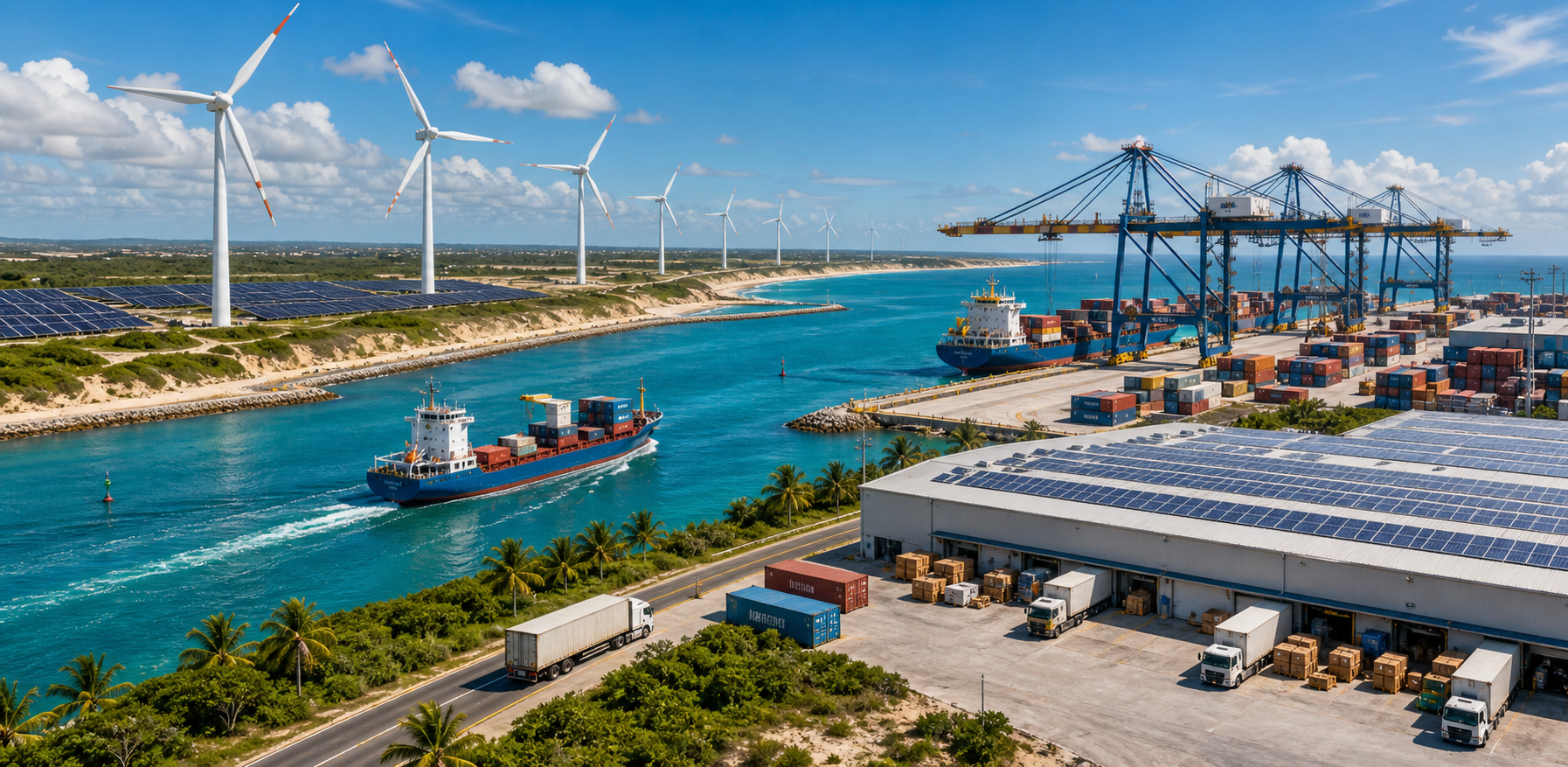
Unlike fossil fuel supply routes vulnerable to geopolitical risks, e-fuels can be produced locally. On this basis, T&E argues that scaling up domestic production capacity would reduce exposure to external shocks and strengthen energy security.
“Vessels that can be electrified, such as short-sea cargo ships and ferries, represent low-hanging fruit to ease pressure on fuel markets. Meanwhile, energy efficiency measures for ocean-going vessels — including slow steaming and wind-assisted propulsion — can deliver significant fuel savings,” Nordé added.
T&E’s analysis shows that 20% of EU ferries are already ready for electrification and operate at lower costs than conventional fossil fuel-powered ships. Furthermore, modern wind-assisted technologies — such as contemporary wind propulsion systems — can cut fuel consumption for ocean-going vessels by up to 18%.
T&E is calling on European policymakers to accelerate the transition to a more resilient and competitive maritime sector. It recommends targeted financial support for e-fuels and stricter targets under the EU Maritime Fuel Regulation to foster the development of Europe’s e-fuel industry.




China——Brazil Trajectory Tracking



+86 532-85066033/34






 中文简体
中文简体 ENGLISH
