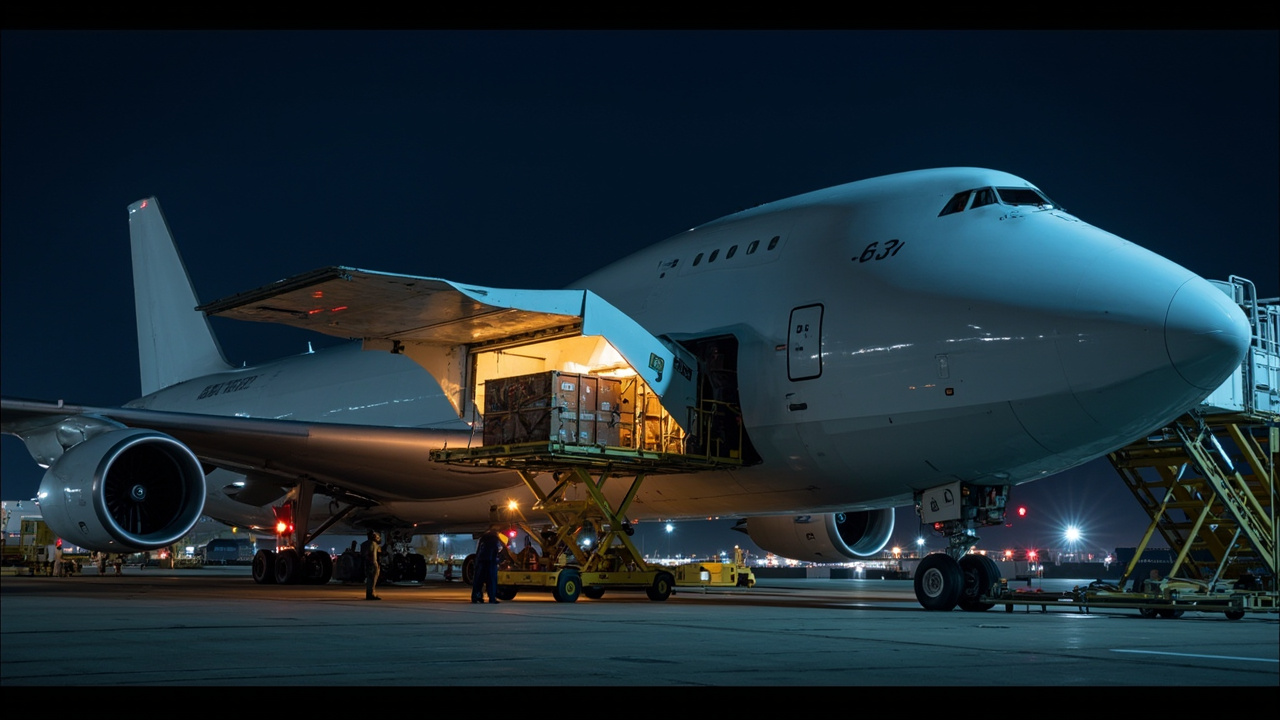
When the COVID-19 pandemic global outbreak in 2020 caused large-scale flight cancellations, the belly capacity of passenger aircraft instantly evaporated. According to IATA data, during the most severe period of the pandemic, global commercial flights decreased by over 60% compared to the same period in 2019, and air cargo relying on passenger aircraft belly space fell into unprecedented capacity crisis. High-value-added commodities like electronics, medical supplies, and e-commerce goods faced severe obstruction in international circulation, and air freight rates soared.
Crisis breeds opportunity. As global airlines saw passenger demand plummet and aircraft grounded, they turned their attention to cargo business. Several airlines took the lead in launching "Passenger-to-Freighter" (P2F) projects, converting retired or parked passenger aircraft into all-cargo operations. This move not only revitalized idle assets but also provided key support for the stable operation of global supply chains.
Converting passenger aircraft to freighters is not simply removing passenger seats but a complex project involving structural modification and cargo system integration. Mainstream modification solutions include: removing passenger cabin seats and related interiors, reinforcing floor structures to bear heavy cargo, installing cargo doors and cargo hold loading systems, etc. Currently, Boeing 737, 747, 757, 767 and Airbus A320, A330 and other models all have mature modification solutions.
The modification market presents a "one super, many strong" pattern. Israel's IAI (Israel Aerospace Industries) is the world's largest narrow-body aircraft modification center, and its BOF (Boeing Converted Freighter) production line has been operating at full capacity for a long time. Additionally, Singapore's ST Engineering and America's Precision Castparts hold important market shares. In the wide-body modification field, Boeing 767 and 747 remain the main wide-body freighter modification models.
From the airline perspective, modified freighters have brought significant benefits. Cargo business once became an important revenue source for airlines during the pandemic. Some airlines even retired old passenger aircraft ahead of schedule and accelerated freighter modification plans to seize market opportunities in air cargo.
Although the passenger-to-freighter boom has alleviated the capacity shortage to a certain extent, global air cargo still faces structural tension. First, the delivery cycle of new freighters is long, typically taking several months or even longer from order to modification completion, making it difficult to quickly respond to short-term surging cargo demand. Second, supporting bottlenecks such as oil price fluctuations, tight airport slot resources, and insufficient ground operation personnel also restrict further improvement in cargo throughput.
At the same time, the explosive growth of cross-border e-commerce continues to drive air cargo demand. Consumer electronics from Southeast Asian manufacturing, fresh agricultural products sourced directly from South America, petrochemical products from the Middle East... more and more time-sensitive goods depend on air transport channels. E-commerce platforms' "next-day delivery" and "two-day delivery" commitments put forward higher requirements for air capacity layout.
Additionally, geopolitical factors also have profound impacts on the air cargo landscape. The Russia-Ukraine conflict caused main routes between Europe and Asia to be blocked, cargo flights had to take longer detour routes, objectively intensifying capacity tension. Some airlines adjusted route network layouts, transferring capacity to emerging hubs in the Middle East, Southeast Asia, and other regions.
Looking to the future, the air cargo market will present several trends: First, passenger-to-freighter will remain an important means for airlines to revitalize assets and improve returns, especially during the uneven recovery of passenger transport, parallel passenger-cargo operations will become the new normal; second, digitalization and intelligent technology will accelerate penetration, with real-time cargo tracking, dynamic capacity matching, and automated warehousing applications reshaping air cargo operations; third, green and sustainable development has become an industry consensus, with environmentally friendly solutions like biofuels, electric tractors, and lightweight containers gradually being implemented.
For freight forwarders and shippers, planning capacity layout in advance, establishing diversified logistics partnership relationships, and flexibly utilizing multi-modal transport solutions combining sea, air, and rail will be key strategies for应对 air capacity fluctuations. Challenges and opportunities coexist in air cargo—only those with keen insight into market changes can gain the upper hand in fierce competition.
---
配图:全货机正在装载货物,客改货改装作业,摄影
---
【图片信息】
- 正文图片:image-1---f397172f-0d9e-450d-88f7-7e8438605448.png
- 缩略图:image-4---257fc1c2-c7a1-4758-bf6c-15180c02aaab.png




China——Brazil Trajectory Tracking



+86 532-85066033/34






 中文简体
中文简体 ENGLISH
