
【Shipping Market】 Since 2026, the global shipping market has continued the complex post-pandemic trajectory. Freight rate fluctuations are influenced by multiple intertwined factors—both seasonal short-term disturbances and deep-rooted structural long-term drivers. A thorough understanding of the evolution trends of these factors holds significant reference value for import/export enterprises optimizing logistics costs and supply chain managers developing reasonable capacity planning.
After global container capacity growth reached a阶段性 peak in 2025, the growth rate began to decline in 2026. While new vessel deliveries maintained considerable levels, the scrapping speed of old vessels has also accelerated, and net incremental growth has not shown explosive expansion. This moderate supply growth provides a certain bottom support for freight rates.
However, the differentiation trend on the demand side is more pronounced than ever. Trans-Pacific route volumes, after experiencing rapid growth earlier, are gradually slowing; Asia-Europe routes benefit from structural upgrades in China's exports to Europe, maintaining robust growth; intra-regional routes—especially two-way trade from Southeast Asia to China—have shown significant growth, reflecting the deepening trend of regional industrial division of labor. Reallocation of capacity among different routes has become a key variable affecting freight rate differences across routes.
Congestion at global hub ports such as Los Angeles, Rotterdam, and Singapore saw significant relief in 2025 but reappeared partially in early 2026. Changes in transit efficiency through the Suez Canal and Panama Canal are also continuously affecting the reliability of global liner shipping schedules.
The underlying reasons for port congestion are not merely insufficient hardware facilities. Efficient operation of terminal operating systems, rational allocation of truck resources, and optimization efficiency of customs inspection procedures are all key links affecting overall customs clearance timeliness. The application of digital technology in port operations is improving these bottlenecks from multiple dimensions, but infrastructure investment and labor skill upgrades still require time to accumulate.
The IMO's continued tightening of carbon emission restriction regulations is driving up compliance costs across the shipping industry. While the premium for low-sulfur fuel oil has retreated from its peak, it remains at historically elevated levels. More importantly, investments in ship retrofits for scrubbers or alternative fuels are gradually being incorporated into transportation costs.
Green premiums have already appeared in the spot market—some shipping companies have added surcharges for cargo transported on vessels using clean fuels. The amount of this fee depends not only on the vessel type chosen by the enterprise but also on customer preferences for carbon-neutral transportation solutions. Logistics service providers with excellent ESG performance are gaining more customer favor, a trend expected to continue strengthening in the coming years.
The high volatility of the shipping market has raised higher requirements for the professional capabilities of freight forwarding enterprises. The traditional booking agent role is transitioning toward supply chain solution providers. Freight forwarding enterprises that can provide customers with rate hedging tools, flexible space reservation plans, and end-to-end visual tracking services are winning larger market shares.
The widespread application of digital platforms is reshaping industry efficiency. The application of blockchain technology in bill of lading circulation, the advancement of provincial-level customs clearance integration, and efficiency improvements from warehouse intelligence are all reducing transaction costs across the entire logistics chain. Those freight forwarding enterprises that invested early in digital capability building have begun occupying favorable positions in the competitive landscape.
Although short-term disturbance factors still exist, the foundation for stable operation of the global shipping market remains unshaken. Liner companies' willingness to maintain freight rates through capacity control remains strong, and large shippers' strategy of locking in rates through long-term contracts continues. Market participants' tolerance and capability to应对 freight rate fluctuations continue to improve.
For shippers and freight forwarding enterprises, deeply understanding the drivers of market fluctuations, establishing scientific capacity planning mechanisms, and choosing appropriate risk hedging tools will be key to maintaining competitiveness in complex market environments. The value of professional logistics partners becomes even more prominent in this context.
---
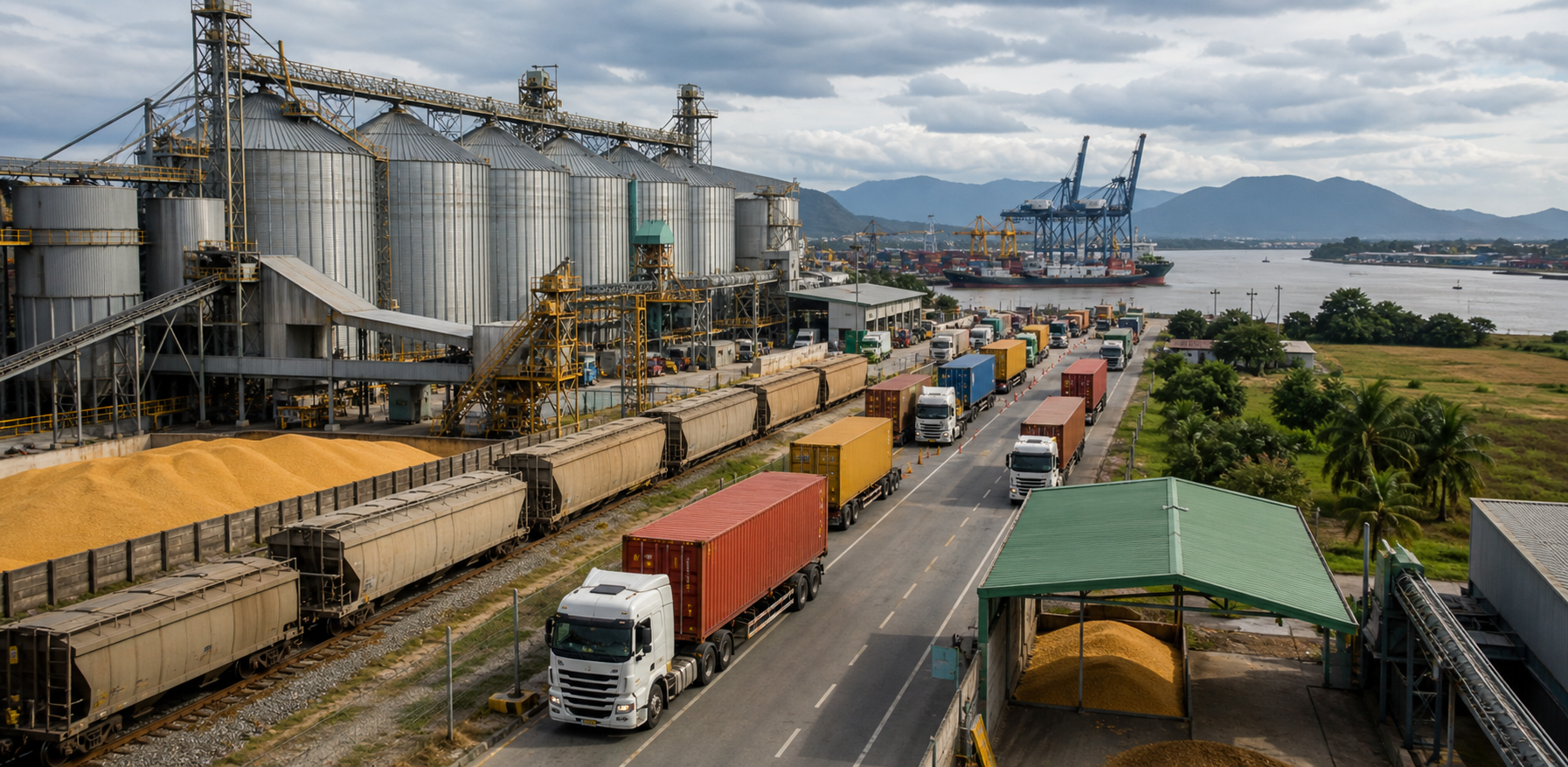
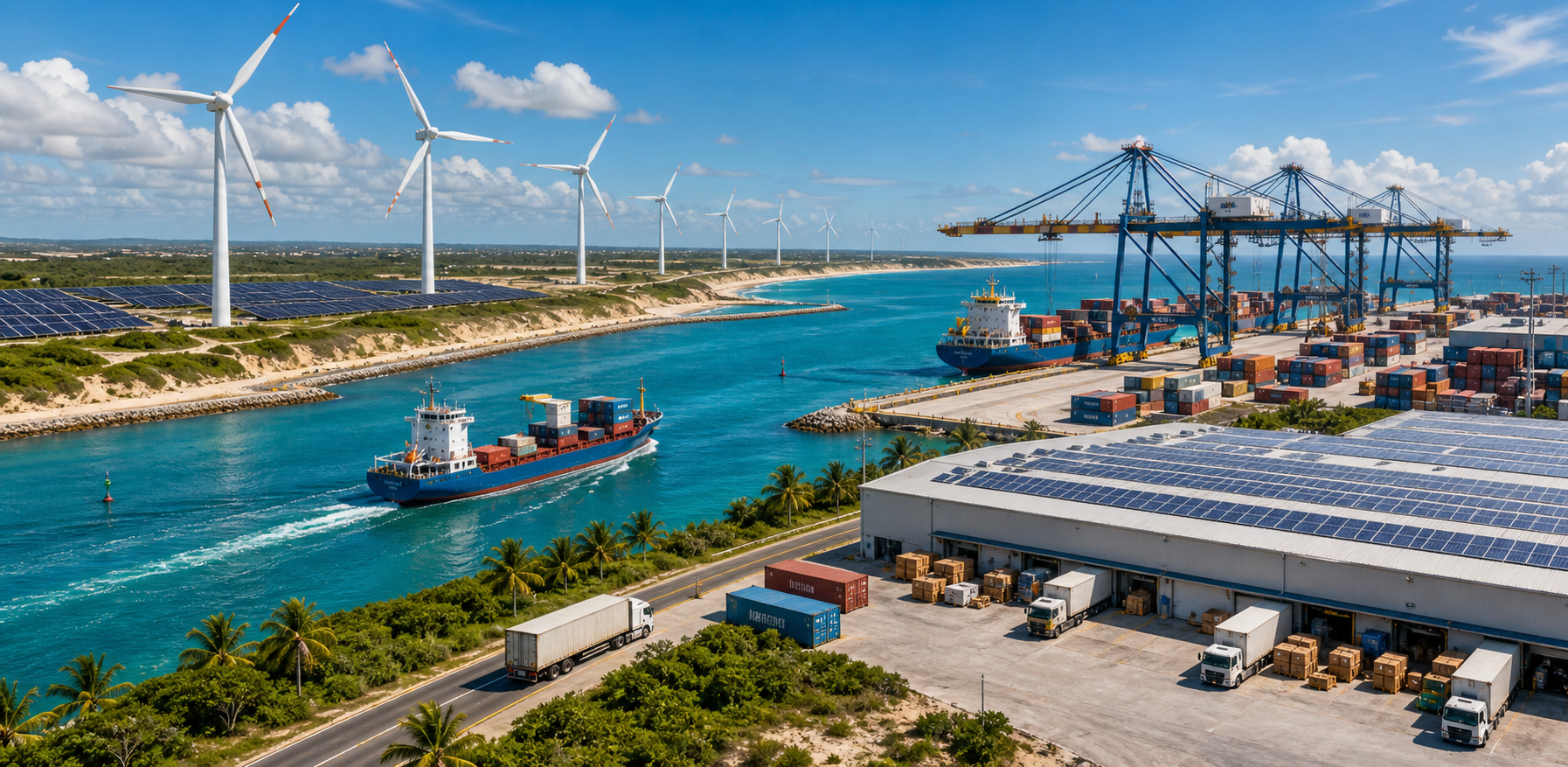
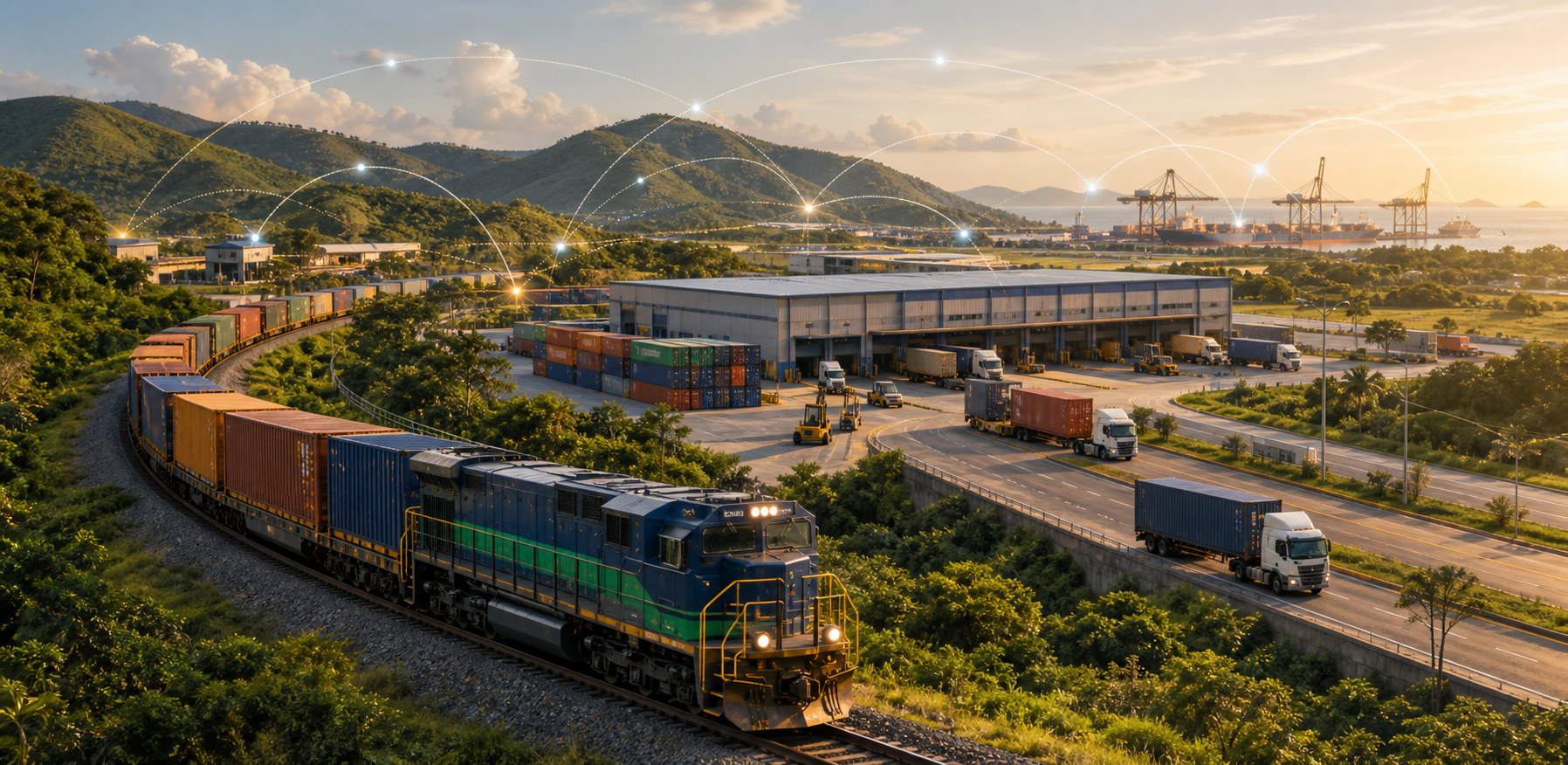
配图:繁忙的国际集装箱港口,万吨货轮靠泊作业,摄影
---
【图片信息】
- 正文图片:image-1---e1a3a785-41d7-4318-a21a-0cb3378f035e.png
- 缩略图:image-2---9aecd97c-5375-4d2e-9207-26a9cb214bfb.png




China——Brazil Trajectory Tracking



+86 532-85066033/34






 中文简体
中文简体 ENGLISH
