As of July 30, 2026, freight market updates center on Brazil's tariff dispute follow-up, Brazil's WTO consultation request, Santos port flows and operating windows, PSS and GRI updates, Red Sea and Hormuz route risk, and continuing airfreight demand from AI hardware and high-value electronics.
For freight forwarders, importers, exporters, logistics managers and cross-border e-commerce teams, changes in Brazil and South America lanes now require integrated planning across tariffs, customs, ports, capacity, warehousing and final delivery.
Brazil E-Commerce Customs: Low-Value Parcels Need Precise Declarations affects shipping rhythm. Some customers move orders earlier, while others wait for policy or cost clarity. Freight prices and capacity therefore need weekly monitoring.
Trade policy and customs timing affect order margins. For Brazil-related shipments, invoices, packing lists, origin documents, HS codes and consignee qualifications should be reviewed before booking.
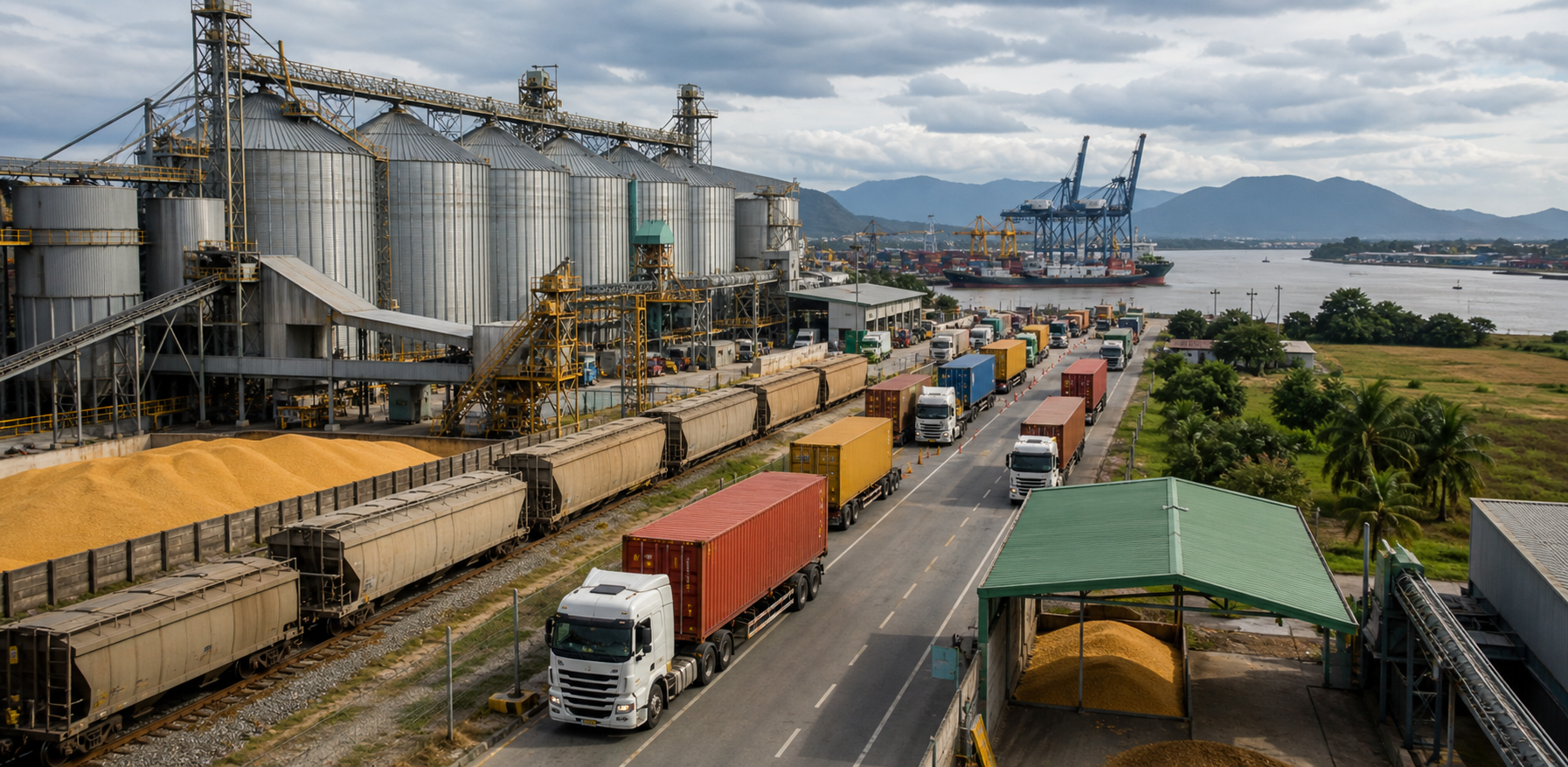
Port work, peak surcharges and route diversions also affect delivery timing. Forwarders should clearly state rate validity, applicable sailing, PSS, GRI, BAF, destination charges and exception-cost approval rules.
Forwarders can turn market news into practical customer actions such as tariff-window reminders, port queue notices, rate alerts, customs templates, warehouse stock advice and exception handling procedures.
In the coming weeks, 巴西电商 will continue to interact with capacity, surcharges and customs rules. Shippers should work with partners that provide transparent pricing, stable capacity, compliance checks and proactive exception alerts.






China——Brazil Trajectory Tracking



+86 532-85066033/34






 中文简体
中文简体 ENGLISH
