As of July 20, 2026, the latest freight market signals are concentrated in three areas: Brazil-related Section 301 tariff timing, frequent carrier surcharge updates including PSS and Panama Canal items, and continued air cargo demand from AI servers and high-value electronics.
For freight forwarders, importers, exporters, logistics managers and cross-border e-commerce teams, Brazil lanes are no longer managed by comparing a single ocean or airfreight quote. Tariffs, space, customs, inland trucking, warehousing and delivery promises must be assessed together.
In-Transit Cargo and Tariff Windows on Brazil Lanes changes quoting rhythm. Many shippers used to confirm freight rates monthly, but freight prices, PSS, fuel, port conditions and policy changes can now move within a week. Transport cost optimization must look beyond the lowest ocean freight or airfreight number.
Tariff windows may push some orders forward while delaying others. A forwarder should help customers understand invoice dates, sailing dates, arrival dates and customs clearance timing. Misreading one date can create tax exposure or delivery failure.
Carrier surcharge updates also make quote details more important. Freight forwarding service should clearly state rate validity, applicable sailing, destination charges, low-water costs, canal surcharges and inland delivery assumptions.
Professional forwarders convert market news into practical customer actions, including route updates, rate alerts, customs templates, destination charge tables and exception handling procedures. Customers are not only buying transport; they are buying predictable international logistics execution.
Over the coming weeks, 巴西航线 will continue to interact with capacity, surcharge updates and customs rules. Shippers should avoid focusing only on the lowest freight quote and instead work with partners that provide transparent pricing, stable execution, compliance checks and proactive alerts.
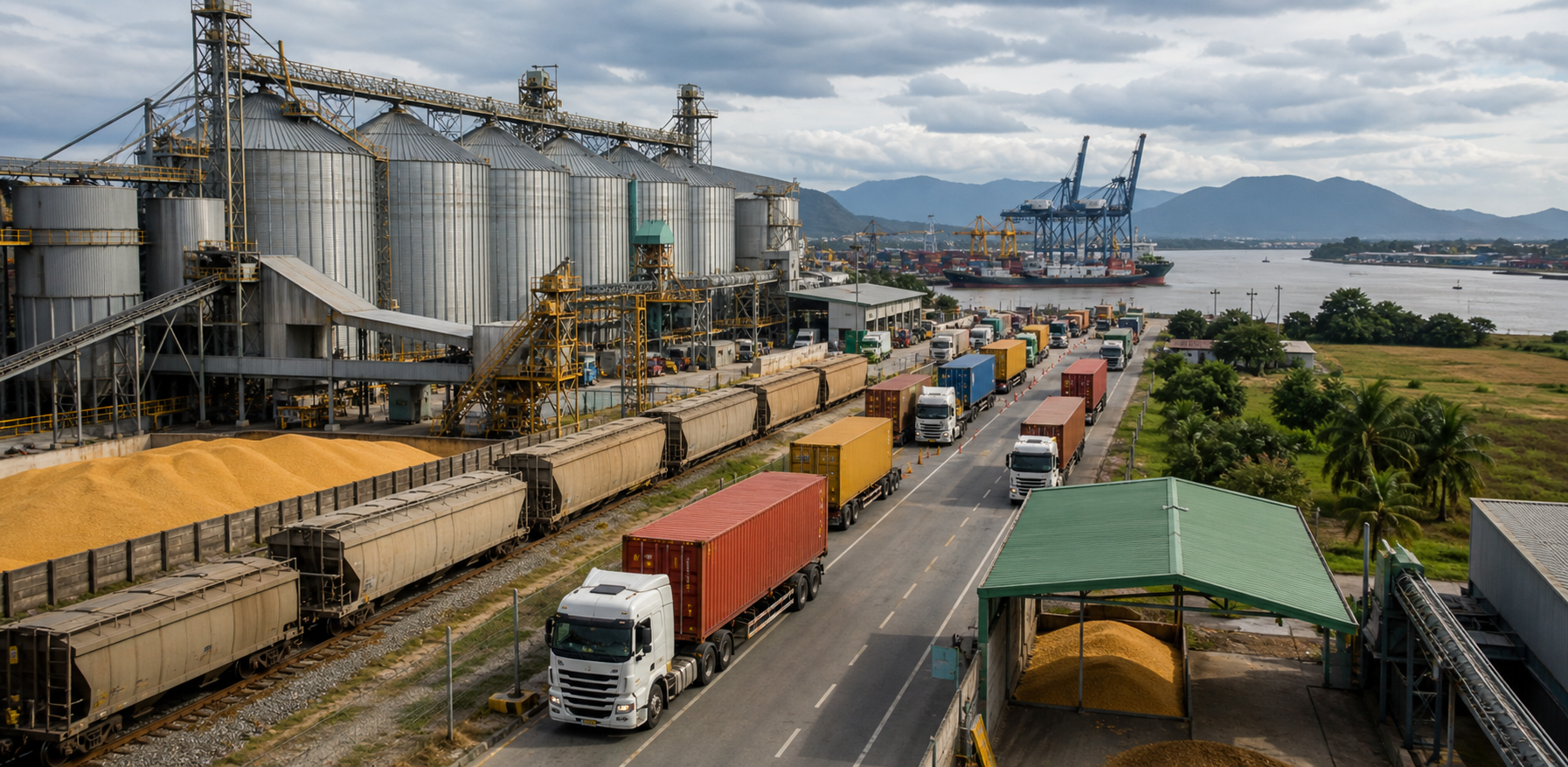

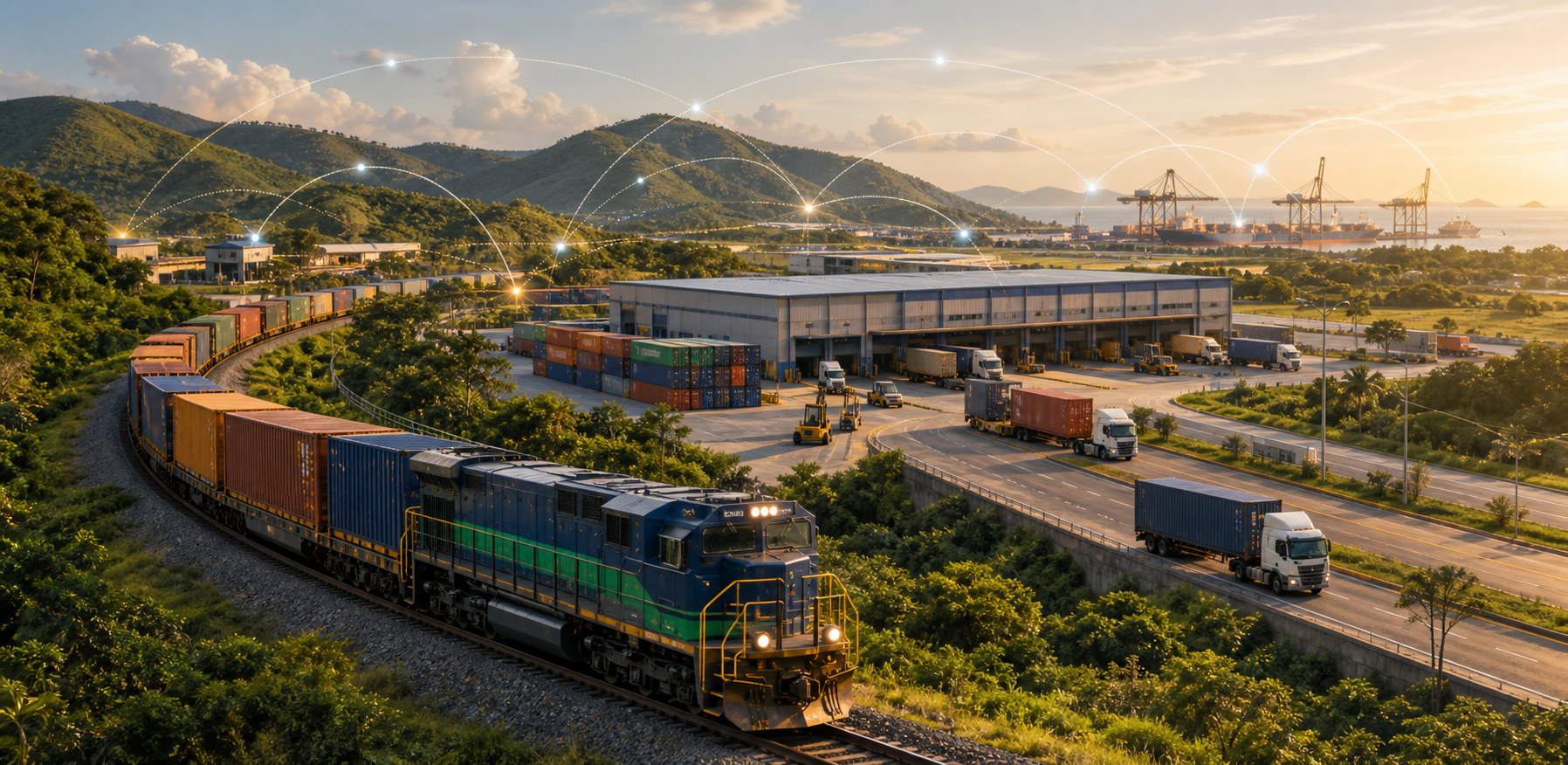




China——Brazil Trajectory Tracking



+86 532-85066033/34






 中文简体
中文简体 ENGLISH
