Recent logistics news points in one direction: trade policy is changing faster, airfreight demand for high-value technology cargo is rising, and ocean carriers are expanding into warehousing and end-to-end supply chain services.
For freight forwarders, importers, exporters, logistics managers and cross-border e-commerce teams, Brazil can no longer be managed by comparing ocean freight or airfreight alone. Tariffs, space, customs data, inland trucking, warehousing and final delivery all need to be planned together.
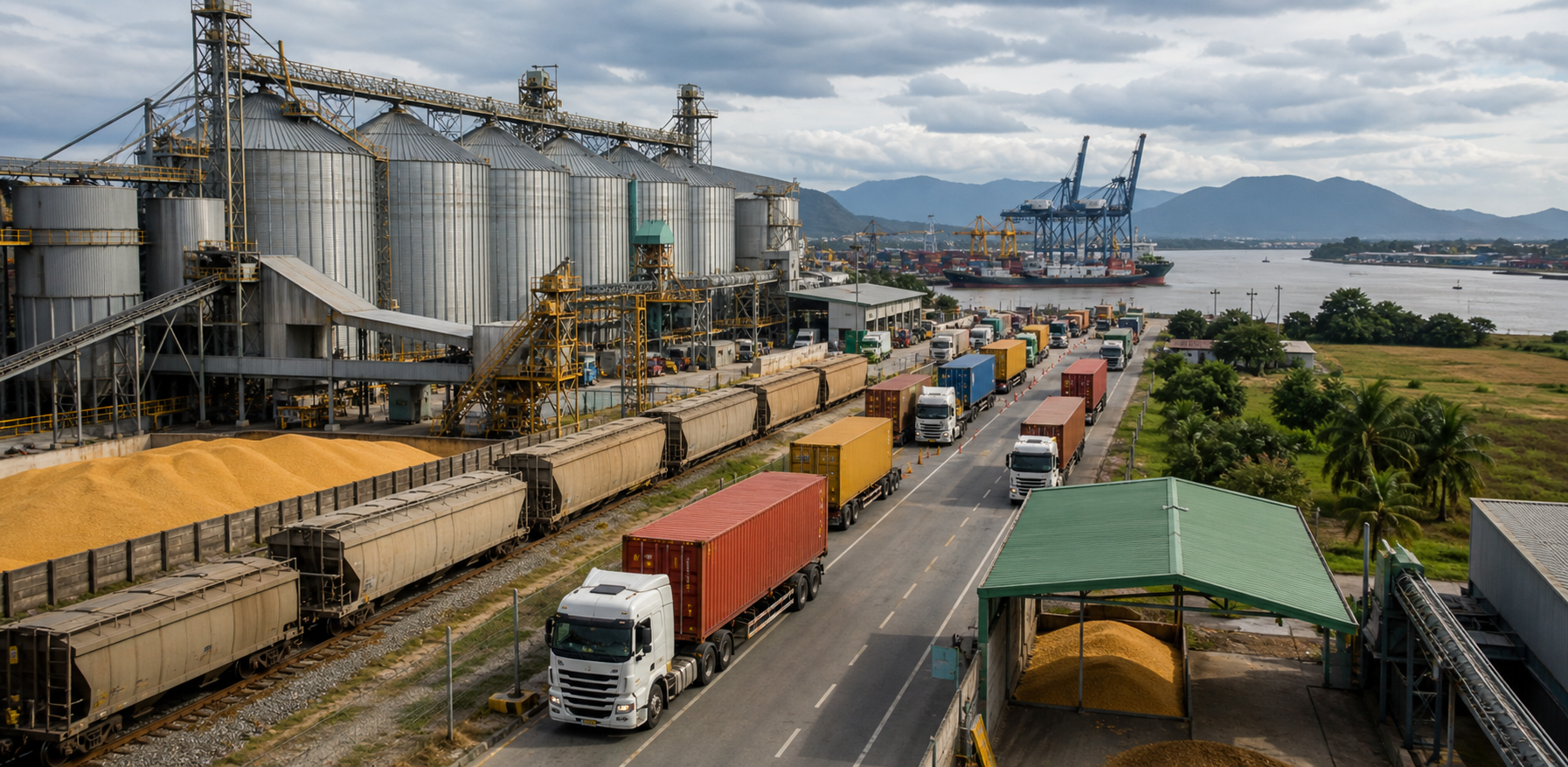
Brazil Inland Trucking Costs: From Port to Warehouse affects quote timing and operational planning. Many shippers used to request monthly rates, but freight prices, fuel surcharges, port pressure and policy changes may now move within days. For companies with regular shipments, securing capacity and validating documents early can reduce total logistics cost more effectively than last-minute negotiation.
Trade policy uncertainty can accelerate or delay shipping plans. AI servers, semiconductors and electronic equipment are supporting air cargo demand, while major shipping groups are investing further in contract logistics. This means freight forwarding service must move beyond booking space and become a practical risk-control function.
For Brazil, forwarders should review consignee qualifications, HS codes, invoices, packing lists, permits and tax documents before booking. A customs document problem can delay delivery more severely than a sailing delay.
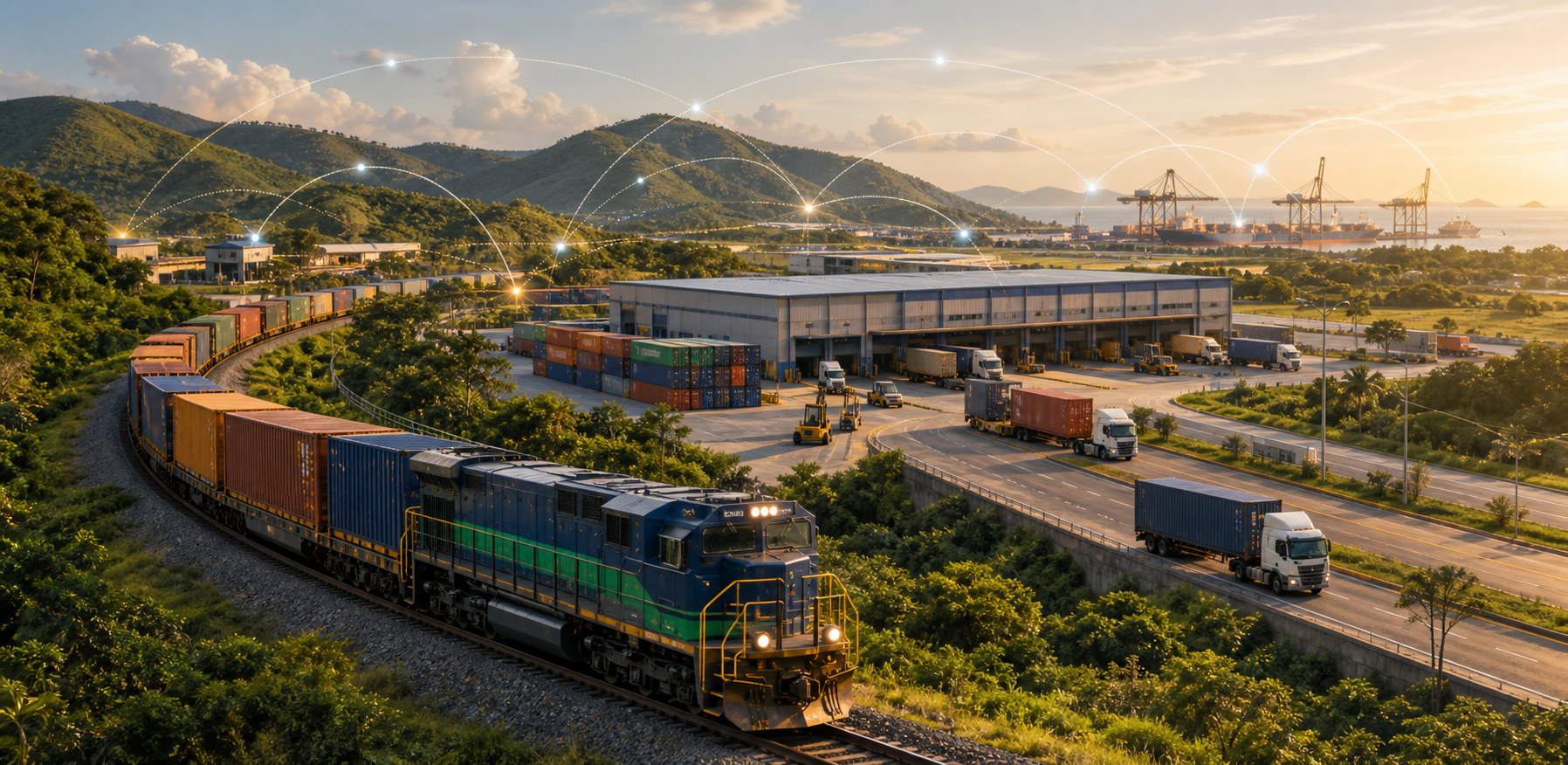
A professional forwarder helps customers ship with visibility, not just speed. Route updates, freight price alerts, customs checklists, warehouse planning and exception handling are increasingly important for international logistics. E-commerce sellers also need first-mile coordination, overseas warehousing, returns and last-mile delivery to be measured as one cost model.
International logistics will remain exposed to policy, fuel, capacity and regional demand changes. Shippers should not focus only on the lowest freight quote. A partner that offers transparent pricing, stable capacity, compliant customs support and proactive exception alerts will create stronger long-term value around 巴西卡车.





China——Brazil Trajectory Tracking



+86 532-85066033/34






 中文简体
中文简体 ENGLISH
