Brazil fertilizer imports has become a practical issue for freight forwarders, trading companies, importers, exporters, logistics managers and cross-border e-commerce teams. Recent international logistics, shipping, air cargo and trade news shows that companies are dealing with several pressures at once: freight-rate volatility, fuel costs, port capacity, customs compliance and changing delivery commitments. The right response is not simply to chase the lowest freight rates, but to connect international logistics, ocean and air freight, and freight cost optimization into one operating plan.
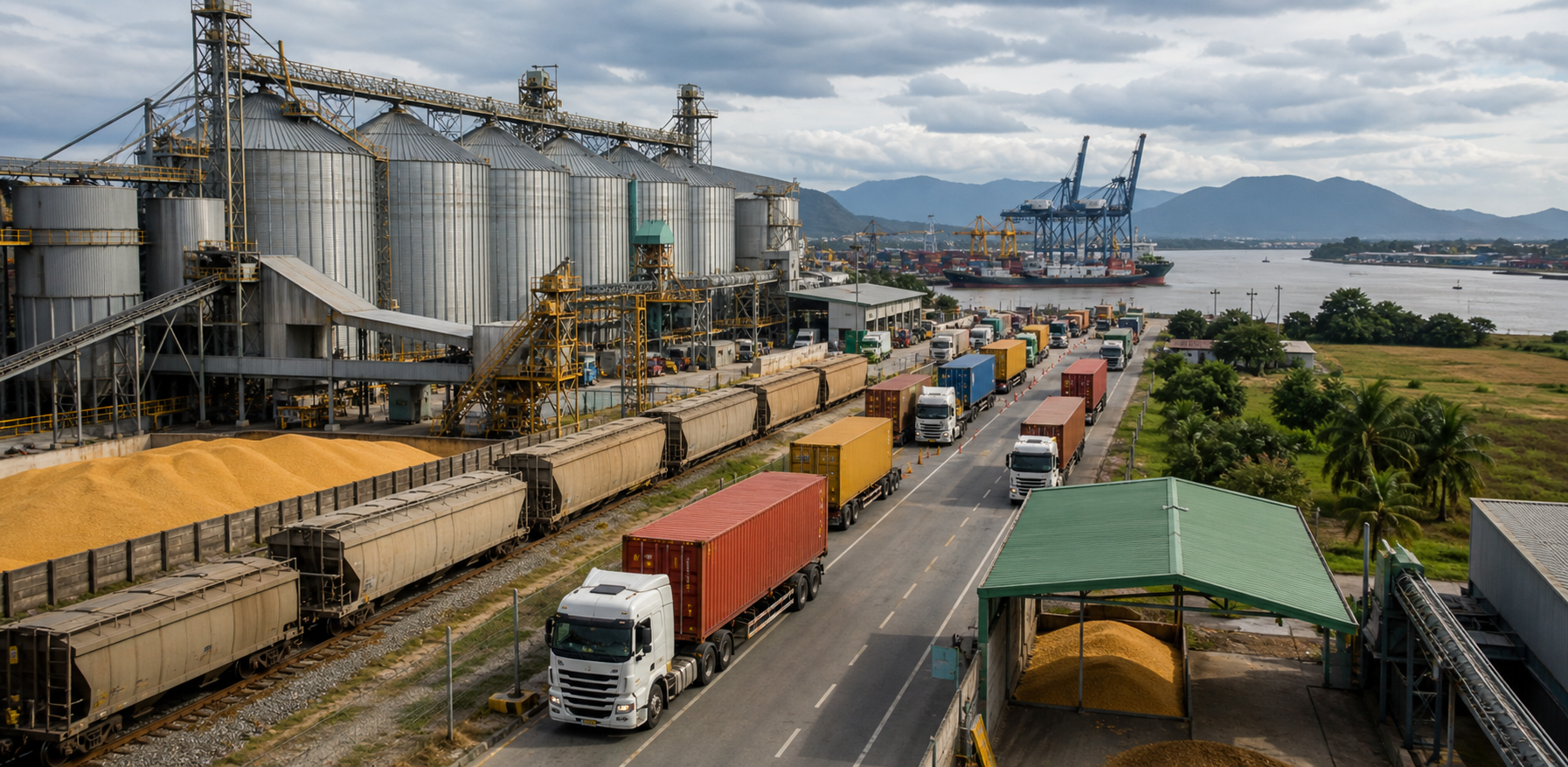
Fertilizer, fuel, sulphur and wheat remain important import flows through Brazil's major ports, with agricultural seasons shaping logistics windows. For shippers, this signal matters because it quickly affects booking windows, quote validity, fuel surcharges, terminal costs and service reliability. When companies wait until the last week before shipment to ask for a rate, they often face tighter space, shorter validity and fewer alternative routings.
A low ocean freight or air freight quote can be misleading if the rest of the logistics chain is not controlled. The full landed-cost view should include pickup, export customs, documentation, terminal handling, destination customs, storage, demurrage, delivery, insurance and exception handling. In long-distance or regulation-sensitive markets, hidden costs can easily offset a cheap headline rate.
Ocean freight remains the cost base for planned volume, heavy cargo and stable inventory. Air freight is better suited for urgent replenishment, high-value parts, samples and promotion-sensitive orders. A practical strategy is to divide cargo into base stock, variable demand and emergency supply. Base stock moves by FCL or LCL ocean freight, variable demand uses flexible ocean services, and emergency cargo moves by air freight.
Professional freight forwarding should not begin only when cargo is ready. Shippers should confirm destination ports, consignee capability, HS codes, packing requirements, warehouse needs and delivery expectations before confirming commercial terms. Forwarders can support key accounts with lane files, destination-cost tables, risk tags and backup routes so sales, operations and customer service work from the same information.
First, forecast space two to three weeks ahead and reserve flexibility for urgent cargo. Second, require quotes to show validity, surcharge assumptions and destination-cost boundaries. Third, create at least one backup plan for important orders, whether it is an alternative port, a different carrier, air freight or an overseas warehouse option. Fourth, review every exception cost and use it to improve the next logistics plan.
Over the next few weeks, Brazil fertilizer imports will continue to be shaped by fuel prices, capacity allocation, port efficiency and trade-policy changes. The companies that perform best will not be those that only buy the cheapest freight rates. They will be the teams that choose transparent freight forwarding partners, track milestones, manage customs risk and use freight cost optimization as a routine part of international logistics planning.




China——Brazil Trajectory Tracking



+86 532-85066033/34






 中文简体
中文简体 ENGLISH
