Introduction
In the first half of 2026, the São Paulo state warehouse logistics real estate market ushered in a historic investment boom—the state's premium logistics warehouse net absorption reached approximately 1.8 million square meters, an increase of approximately 62% compared to the same period last year, setting the highest同期 (same period) record in nearly a decade. In the context of increasingly fierce competition among global international logistics hubs, São Paulo state is accelerating its rise as South America's most attractive warehouse investment destination by virtue of its unique geographic location, complete infrastructure, and flourishing e-commerce market. This article provides an in-depth透视 (perspective) on the full picture of this wave of São Paulo state warehouse investment boom from five dimensions: investment data analysis, driver factor decomposition, key area analysis, e-commerce logistics impact, and future trend assessment.
I. Investment Data and Market Performance
1.1 Key Indicators for First Half of 2026
| Indicator | Same Period 2025 | First Half 2026 | Year-on-Year Change |
|-----------|-----------------|-----------------|--------------------|
| New Supply Area (10,000 ㎡) | Approximately 95 | Approximately 145 | Approximately +53% |
| Net Absorption (10,000 ㎡) | Approximately 110 | Approximately 180 | Approximately +64% |
| Vacancy Rate | Approximately 14.2% | Approximately 8.7% | Down 5.5 percentage points |
| Average Rent (BRL/㎡/month) | Approximately 32 | Approximately 38 | Approximately +19% |
| Investment Transaction Volume (100 million BRL) | Approximately 42 | Approximately 75 | Approximately +79% |
The above data clearly demonstrates that the São Paulo state warehouse market presents a strong trend of "robust both supply and demand, with rising volumes and prices," with vacancy rate dropping to the lowest level in five years, rent increases approaching 20%, and investment transaction volume nearly doubling year-on-year.
1.2 Investment Source Structure
The investment sources for São Paulo state warehouse in the first half of 2026 show diversified characteristics:
- Local Developers: Local leaders such as Prologis and Log Commercial Properties continued to deepen their presence, contributing approximately 45% of total investment
- Chinese Investors: Chinese enterprises such as Alibaba Cainiao Network and JD Logistics accelerated their布局 (layout) in São Paulo and surrounding areas, contributing approximately 22% of total investment
- U.S. Funds: U.S. real estate funds such as Blackstone and Prologis remained active in the São Paulo market, contributing approximately 18% of total investment
- European Capital: French real estate investor AXA Investment Managers completed its first São Paulo logistics real estate acquisition in March 2026, with a transaction volume of approximately 450 million BRL
- Brazilian Domestic Institutions: Local financial institutions such as Bradesco Insurance and ITAÚ Pension Fund held approximately 15% allocation ratio
II. In-Depth Analysis of Drivers
2.1 E-Commerce Explosion Driving Warehouse Demand Surge
The Brazilian e-commerce market is in an explosive phase, the most core engine driving São Paulo state warehouse demand. In the first half of 2026, Brazilian e-commerce GMV increased by approximately 28% year-on-year, reaching approximately 185 billion BRL, ranking first in Latin America and fifth globally. The rapid growth of e-commerce directly drives demand for modern warehouse facilities, for the following reasons:
- Order Fragmentation: B2C e-commerce orders have fewer items per order and higher time requirements, requiring sorting, verification, and packaging functions in subdivided warehouse spaces. Traditional old warehouses cannot meet these needs
- Category Expansion: From books and electronics to fresh produce, pharmaceuticals, and auto parts, e-commerce categories continue to expand, increasing demand for specialized warehouse types such as temperature-controlled and hazardous materials warehouses
- Returns Processing: With a Brazilian e-commerce return rate of approximately 15-20%, demand for warehouse area dedicated to returns processing is growing rapidly
2.2 Geographic Concentration Effect of Consumer Market
The São Paulo metropolitan area concentrates approximately 22 million people, the highest population density and strongest consumer purchasing power in Brazil. São Paulo state's total retail sales of consumer goods account for approximately 33% of the national total. This highly concentrated consumer geographic pattern gives São Paulo state warehouse unique advantages:
- Optimal Radiation Radius: With São Paulo as the center, a 500-kilometer radius can cover approximately 45% of Brazilian population and approximately 55% of consumer purchasing power
- Complete Transportation Hub: São Paulo has Latin America's busiest Guarulhos International Airport and core highway network nodes, making it a natural logistics distribution center
- Industry Cluster Concentration: The São Paulo industrial zone gathers a large number of manufacturing enterprises and distribution centers, creating robust demand for nearby storage
2.3 Port Linkage Effect
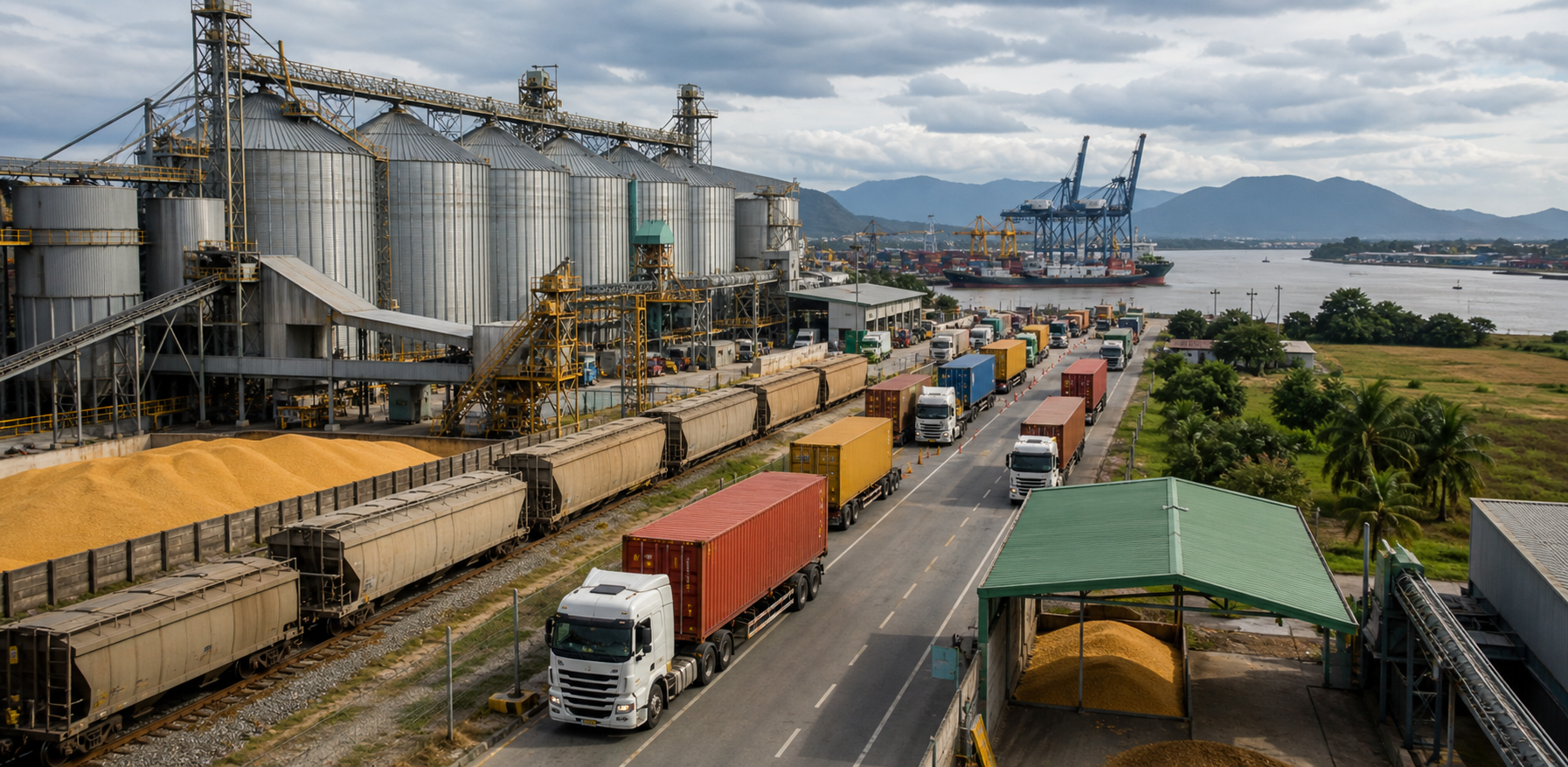
As Brazil's largest port, Santos Port forms a close linkage relationship with the warehouse network in the São Paulo metropolitan area. As port cargo throughput continues to grow, demand for off-port warehouse distribution centers is simultaneously expanding:
- Import Distribution: After Chinese manufactured products are imported through Santos Port, they need to be decontainerized, relabeled, and redistributed at distribution centers in the São Paulo region
- Export Consolidation: After agricultural products are gathered from production areas such as Mato Grosso, they undergo consolidation and transloading at warehouse near São Paulo before being transported to Santos Port for export
- Customs Supervised Warehouse: Demand for comprehensive bonded warehouse in the São Paulo region is growing rapidly with cross-border e-commerce development
2.4 Wealth Effect of Rising Rents
The continued rise in São Paulo state warehouse rents (with year-on-year increase of approximately 19% in the first half of 2026) has stimulated stronger investor allocation willingness. Compared to commercial and residential real estate, logistics warehouse has the following investment advantages:
- Stable Rental Return Rate: Premium logistics warehouse rental return rates are approximately 8-10%, higher than commercial real estate's approximately 6-7%
- Long Lease Terms: E-commerce enterprises typically sign 5-10 year long-term leases, with stable and predictable rental cash flow
- Low Maintenance Costs: Compared to office buildings, logistics warehouse maintenance costs are lower, with stronger asset value preservation
- Healthy Supply-Demand Relationship: With the São Paulo market vacancy rate continuously declining to 8.7%, the rent upward trend is clear
III. Key Area Analysis
3.1 Golden Triangle Corridor
The most densely invested area for warehouse in São Paulo state is the "Logistics Golden Triangle Corridor" (Triângulo da Logística) connecting São Paulo City, Campinas, and Indaiatuba. This area's advantages include:
- Dense highway network (routes SP-330, SP-340, BR-116), providing direct access to Santos Port and São Paulo International Airport
- The Campinas Technology Corridor gathers a large number of technology enterprises and data centers, generating substantial IT equipment spare parts warehouse demand
- Indaiatuba clusters multiple large e-commerce returns processing centers
In the first half of 2026, this corridor added approximately 850,000 square meters of warehouse supply, accounting for approximately 59% of the state's new supply, with rental levels at approximately 40-45 BRL/㎡/month.
3.2 Southeast Port-Adjacent Warehouse Belt
The areas south of Santos Port, specifically Suape and Massangana, are rapidly growing into port-adjacent warehouse clusters facing the port. Main drivers include:
- Following Santos Port automation upgrades, improved port area operational efficiency has driven demand for surrounding consolidation and distribution warehouse
- The government plans to build an approximately 500,000 square meter comprehensive bonded warehouse park in Suape
- Rental rates in the Indaiatuba-Campinas area have approached levels in first-tier cities such as Shanghai and Beijing. Some cost-sensitive e-commerce enterprises are migrating logistics centers to port-adjacent areas
3.3 Air Cargo Logistics Warehouse Emerging Area
The area surrounding Guarulhos International Airport is forming a professional warehouse cluster with air freight cargo processing as its core. In the first half of 2026, this area added approximately 350,000 square meters of air cargo warehouse facilities, primarily serving:
- Temporary storage and grading of high-value cross-border e-commerce goods
- Cold chain warehouse facilities for pharmaceuticals and vaccines
- Anti-static professional warehouses for electronic products and semiconductor components
IV. E-Commerce Logistics and Warehouse Coordinated Development
4.1 Last-Mile Delivery Front-Loading Warehouse Network
One of the biggest pain points in Brazilian e-commerce logistics is low last-mile delivery efficiency. Major e-commerce enterprises in São Paulo state are solving this problem through strategic布局 (layout) of front-end warehouse networks:
- Mercado Libre: Deployed approximately 120 dark stores in the São Paulo metropolitan area, achieving 2-hour delivery coverage for approximately 65% of the metropolitan area population
- Magazine Luiza: Acquired and transformed multiple small commercial properties within São Paulo city into e-commerce-specific micro-warehouses, compressing average appliance delivery time from 5 days to 2 days
- Amazon Brazil: Focused on building 7 large regional fulfillment centers (FC) in São Paulo state, each approximately 80,000-150,000 square meters, equipped with automated sorting equipment
4.2 Warehouse Automation and Robot Application
New warehouse facilities have generally introduced automation equipment to address labor cost increases and efficiency improvement needs:
- AMR (Autonomous Mobile Robot) Sorting System: Deployed in approximately 35% of 2026 new warehouse facilities, increasing sorting efficiency by approximately 3 times
- Automatic Packaging and Labeling Lines: E-commerce returns processing warehouses are generally equipped, reducing packaging costs by approximately 40%
- Mezzanine High-Bay Racking: New warehouse facilities have average ceiling heights increased to over 9 meters, improving land utilization efficiency by approximately 2.5 times compared to traditional flat warehouses
4.3 Impact on Freight Forwarding Services
The São Paulo state warehouse investment boom has profoundly impacted the freight forwarding service industry:
- Warehouse Service Integration: Leading freight forwarding service enterprises are extending their business boundaries from traditional freight forwarding to warehouse hosting, VMI (Vendor Managed Inventory), and order fulfillment services
- Custom Warehouse Demand Rising: Large e-commerce and brand merchants tend to lease customized warehouse facilities, increasing demand for freight forwarding service enterprises to provide "development + operation" integrated solutions
- Cross-Border Bonded Warehouse Value Highlighted: With the expansion of Chinese cross-border e-commerce platforms in the Brazilian market, comprehensive bonded warehouse demand is growing rapidly, becoming a new growth point for freight forwarding services
V. Future Trend Assessment
5.1 Supply Peak and Vacancy Rate Trend
In the second half of 2026, São Paulo state is expected to have an additional approximately 1.2 million square meters of new warehouse supply enter the market. The vacancy rate may see a staged slight rebound to approximately 10%, but will remain at historically low levels. With the 2027 e-commerce peak season approaching, the vacancy rate is expected to drop back below 9% in Q1 2027.
5.2 Investment Hotspot Shifts
The next stage of São Paulo state warehouse investment hotspots is expected to shift toward the following directions:
- Cold Chain Warehouse: The rapid development of fresh produce e-commerce and pharmaceutical e-commerce will drive cold chain warehouse investment, with compound annual growth rate expected to reach approximately 25%
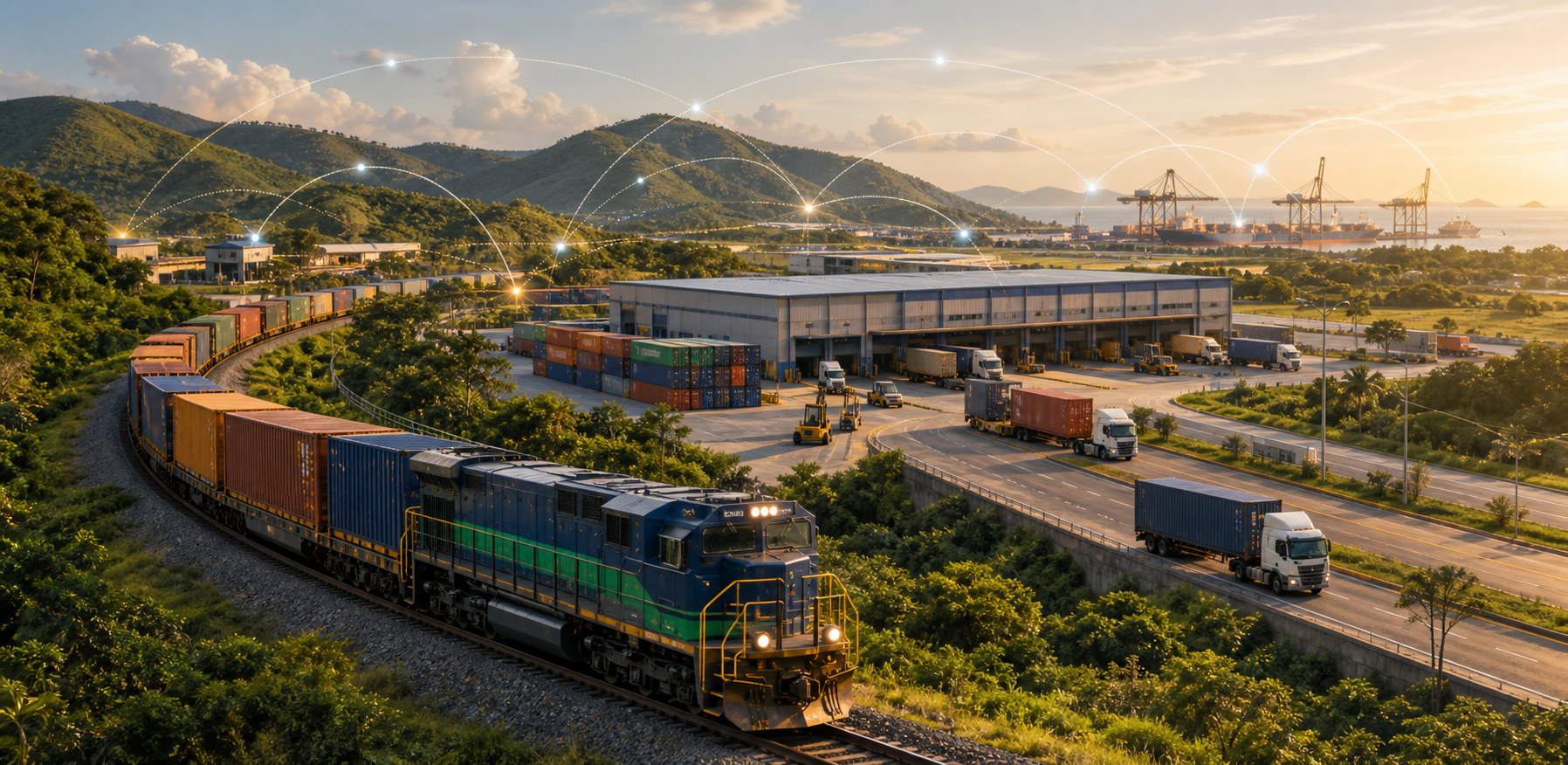
- Digital Warehouse: Smart warehouse equipped with digital twin operation systems and real-time data dashboards will gain higher rental premiums and occupancy rates
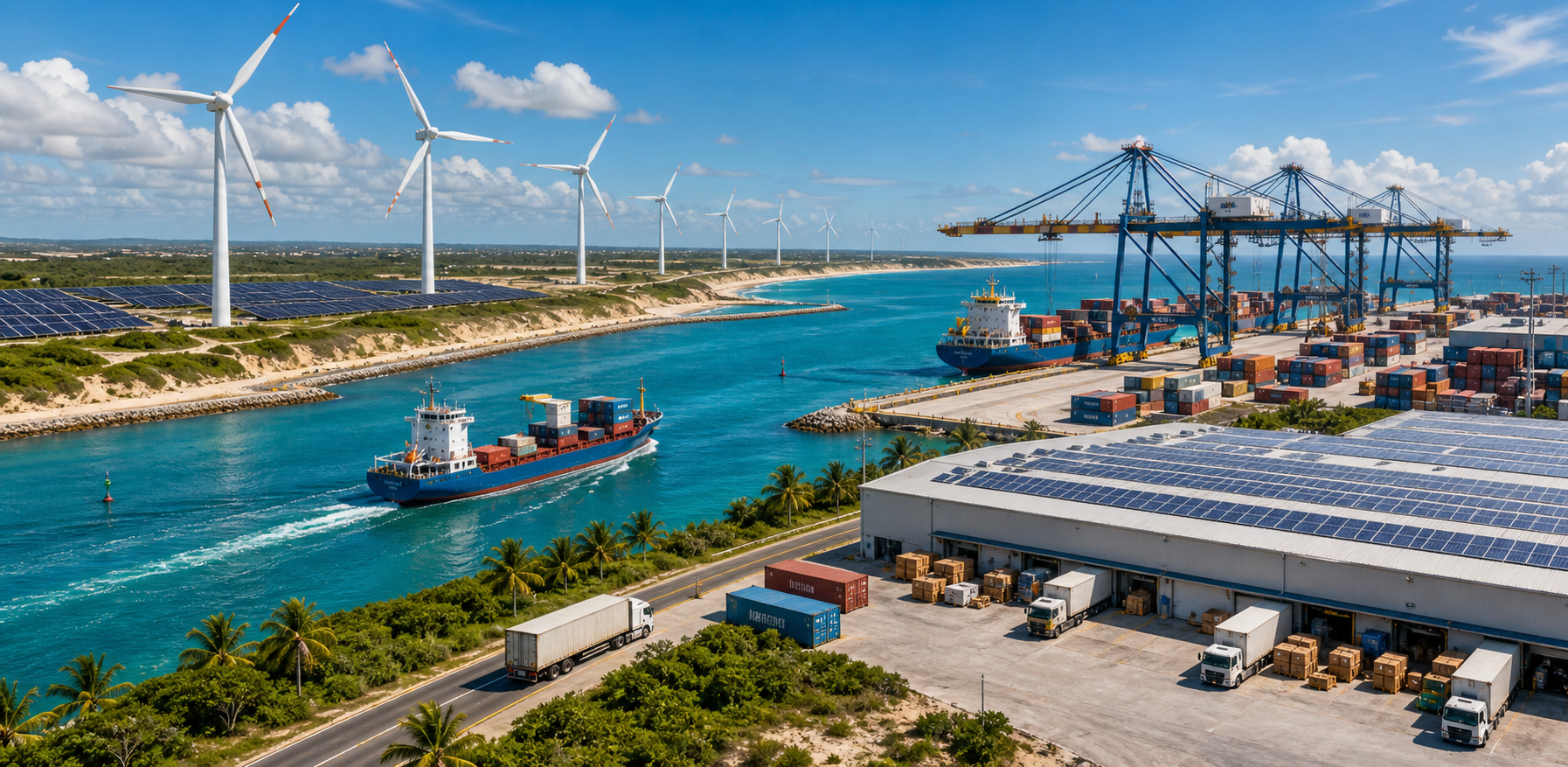
- Green Certified Warehouse: LEED-certified warehouse facilities still account for less than 5% of the São Paulo market. ESG compliance demands will drive green warehouse investment to warm up
5.3 Chinese Enterprises Continue to Increase Investment
The momentum of Chinese enterprises increasing investment in the São Paulo state warehouse market shows no signs of slowing down. Alibaba's Cainiao Network has announced a São Paulo regional warehouse expansion plan for 2026-2028, expected to add approximately 500,000 square meters of warehouse area; JD Logistics plans to build approximately 15 front micro-warehouses in second and third-tier cities in inland São Paulo state, further weaving a dense last-mile network facing second and third-tier cities.
Conclusion
The São Paulo state warehouse investment boom is an inevitable product of the superposition of multiple favorable factors—the e-commerce explosion driving demand surge, port-airport linkage activating location advantages, rising rents strengthening investment returns, and international capital accelerating布局 (layout)—jointly constructing South America's most attractive warehouse investment track. For the international logistics industry, the expansion of the São Paulo state warehouse network not only means more abundant logistics infrastructure supply, but also foreshadows that the opportunity for full-chain service upgrades from warehouse to last-mile has arrived. Looking ahead, São Paulo state is expected to become a strategic fulcrum for global freight forwarding service providers and e-commerce enterprises in the South American market. Whether one can precisely position in this boom will depend on all parties'洞察 (insight) into the deep laws of the regional market and rapid response capabilities.











 中文简体
中文简体 ENGLISH
