Introduction
June 2026 sees Brazilian customs policies entering a major reform window. From duty-free treatment for sub-$50 imported packages to AI customs clearance system upgrades and Santos Port strike warnings—multiple factors intertwining make the Brazil market one of the most noteworthy hotspots for the international logistics industry.
For import-export companies, trading companies, and cross-border e-commerce logistics managers, deeply understanding Brazil's latest customs policies and grasping trade opportunities are key to developing second-half 2026 strategies.
1. Three Major 2026 Brazil Customs Policy Changes
1.1 Duty-Free Treatment for Sub-$50 Imported Packages
In June 2026, the Brazilian government officially eliminated import duties on packages under $50. This policy is a major benefit for import-export companies:
- Small-package direct shipping channel costs have dropped significantly, enhancing cross-border e-commerce competitiveness
- Freight forwarding service providers have launched exclusive small-package services, with booming business
- Full-year cross-border e-commerce import volume is expected to grow 25%-40%
However, the prerequisite for duty-free benefits is strict AI customs compliance. Import-export companies must ensure accurate product descriptions and truthful declared values.
1.2 Full AI Customs Clearance System Upgrade
Brazilian customs AI clearance system completed its 2026 upgrade, reducing normal cargo clearance time from 48 hours to under 4 hours. The system's accuracy in identifying abnormal declarations has significantly improved.
For trading companies, this means:
- Compliant enterprises enjoy "instant passage" treatment, with inspection rates dropping from 12% to 3%
- Non-compliant enterprises face sharply elevated risks—over 2,300 cases already uncovered in the first half of 2026
1.3 Santos Port Strike Warning
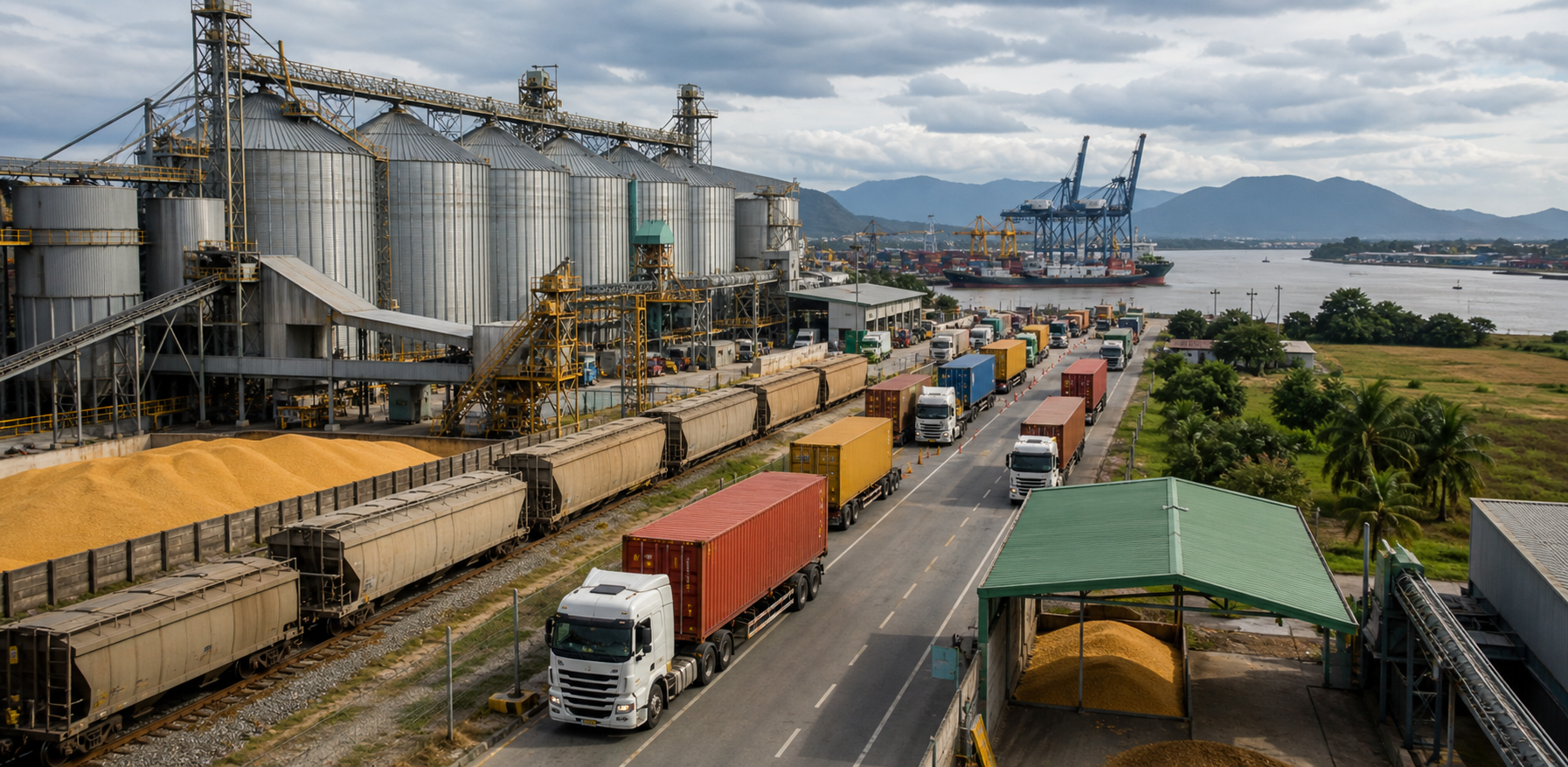
Coinciding with peak Brazil soybean exports and Brazil corn exports season, Santos Port unions have issued strike warnings. If the strike persists for two weeks, global soybean prices are expected to rise 8%-12%.
Import-export companies should advance shipments and divert to alternative ports such as Paranaguá.
2. Trade Opportunities in the Brazil Market
2.1 Golden Period for Agricultural Exports
Brazil is the world's largest soybean and corn exporter. China's demand for Brazilian agricultural products continues to grow, and trading companies should seize opportunities to establish stable supply channels.
2.2 New Blue Ocean for Cross-Border E-Commerce
Brazil has a population of 200 million, making it Latin America's largest e-commerce market. The duty-free treatment for sub-$50 packages policy provides an excellent timing for cross-border e-commerce market entry.
2.3 Industrial Product Import Demand
Brazil's manufacturing sector is relatively weak, with robust import demand for mechanical equipment, electronic products, and auto parts. Freight forwarding service providers play key roles in logistics solution design for import-export companies.
3. International Logistics Practical Guide
3.1 Port Selection Strategy
Import-export companies should develop multi-port diversion awareness:
- Santos Port: Largest but facing congestion and strike risks
- Paranaguá Port: Important alternative port with shorter waiting times
- Itacoatiara Port (Itaqui): Core port on the Northern Arc, suitable for bulk commodities
3.2 Key Customs Clearance Compliance Points
- Accurate HS code classification for products
- Declared value deviation from market average not exceeding 15%
- Product descriptions in Portuguese
- Retain transaction certificates for spot checks
3.3 Transport Cost Optimization
Logistics managers should focus on the following transport cost optimization paths:
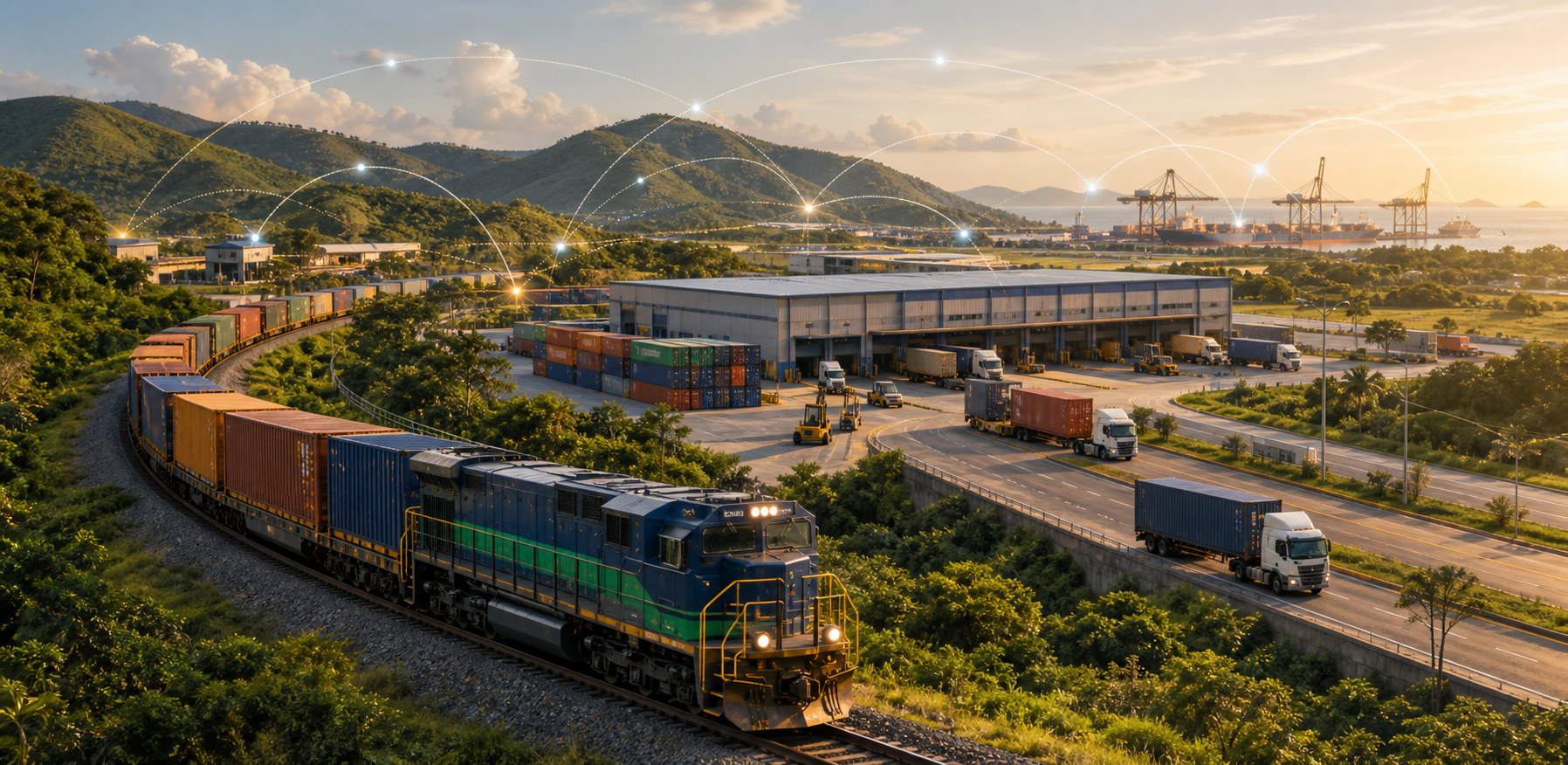
- Utilize multimodal transport, shipping cargo through railways to northern ports
- Advance shipments to avoid port congestion during strikes
- Sign flexible contracts with freight forwarding service providers to lock in rates
4. Trend Outlook: Long-Term Value of the Brazil Market
Brazil is at a critical stage of economic takeoff. Import-export companies establishing market presence now will gain long-term competitive advantages.
Freight forwarding service providers need to enhance professional service capabilities on Brazil routes, transitioning from "capacity brokerage" to "solution design."
---
Keywords: Brazil (8), import-export companies (5), trading companies (4), cross-border e-commerce (4), logistics managers (3), freight forwarding (4), international logistics (3), transport cost optimization (2), freight rates (1), shipping and air freight (1)
Word count: ~1,650 words





China——Brazil Trajectory Tracking



+86 532-85066033/34






 中文简体
中文简体 ENGLISH
