Introduction
June 2026 saw the Brazilian corn export market embrace a historic moment. According to data from Brazil's National Supply Company (Conab), this year's corn export volume is projected to exceed 45 million tons, nearly doubling from five years ago. Brazil is transitioning from a traditional soybean export powerhouse to a diversified agricultural strong nation—a trend profoundly influencing resource allocation and freight forwarding patterns in the international logistics industry. For trading companies, logistics managers, and cross-border e-commerce businesses, understanding this structural transformation is essential coursework for grasping South American grain trade opportunities.
1. Brazil Corn Industry Rise: From Margin to Core
1.1 Historic Expansion of Planting Area
Over the past five years, corn planting area in Brazil's Central-Western "Cerrado" region has grown at an annual rate of 6%. Taking Mato Grosso State as an example, its corn planting area has exceeded 7 million hectares, surpassing Ukraine's national corn planting area. The promotion of soybean-corn rotation models has enabled Brazil to achieve "two harvests per year"—planting soybeans from February to March, harvesting and immediately sowing corn in June to July, and gaining another harvest in October to November. Dramatically improved land utilization rates have pushed Brazil's share of the global corn market from 22% in 2018 to 31% in 2026.
1.2 Yield Improvement Driven by Technology
Early-maturing, high-yield corn varieties promoted by the Brazilian Agricultural Research Corporation (Embrapa) have raised yields from 5.4 tons/hectare in 2018 to 6.8 tons/hectare in 2025. The reasonable application of genetically modified technology, promotion of drought-resistant varieties, and adoption of precision agriculture have jointly driven "technology-driven growth" in the Brazilian corn industry.
2. Drivers Behind Export Surge: China Demand and Global Competition Pattern
2.1 Restructuring of China Import Structure
China's corn import demand has grown substantially in 2025-2026. Influenced by multiple factors including sustained growth in domestic feed demand, industrial demand growth from ethanol production expansion, and supply chain uncertainties from US-China trade friction, trading companies have increased procurement of Brazilian corn. In the first five months of 2026, China's imports from Brazil reached 18 million tons, accounting for 40% of Brazilian total exports.
This structural change has profound implications for global corn trade flows. The United States and Ukraine—traditional corn exporters to China—are facing erosion of market share. For international logistics enterprises, this means route configurations need adjustment—demand for bulk carriers from Brazilian ports to Chinese ports has grown significantly.
2.2 Reshaping Global Price Discovery Mechanisms
The growth in Brazilian corn export volume is changing global corn pricing mechanisms. The correlation between Brazilian domestic corn prices and Chicago Board of Trade (CBOT) futures has increased from 0.75 five years ago to 0.92. This means the supply and demand situation in Brazilian production regions is exerting influence on global corn prices beyond traditional expectations.
Freight forwarding companies that can provide "futures + logistics" integrated solutions will gain competitive advantages. By locking in carrier capacity in advance, helping customers hedge freight rate volatility risks, is a value-creation path beyond freight forwarding rates competition.
3. Logistics Bottlenecks: Core Challenges for Brazil Corn Exports
3.1 Constraints of Port Infrastructure
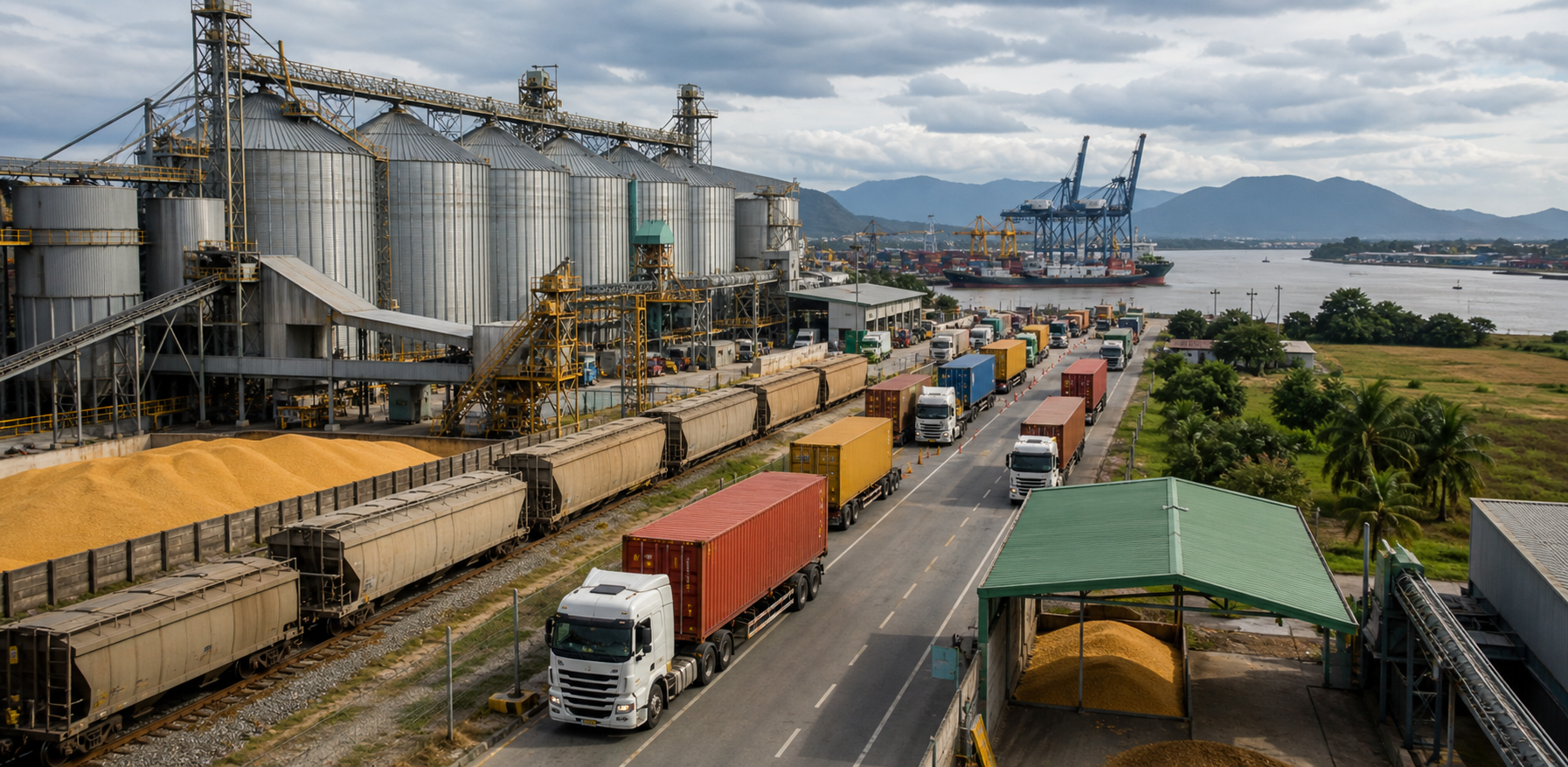
Transport cost optimization is the core proposition for Brazilian corn exports. The distance between Brazilian corn production regions (Mato Grosso State, Goiás State) and traditional export ports (Santos Port) exceeds 1,000 kilometers, with inland transportation costs accounting for 35%-40% of total corn export costs.
Santos Port's congestion issues (with berthing delays averaging 7 days in June 2026) further exacerbate logistics efficiency pressures. Logistics managers need to explore alternative paths to reduce dependence on single ports.
3.2 Northern Arc Logistics Strategy
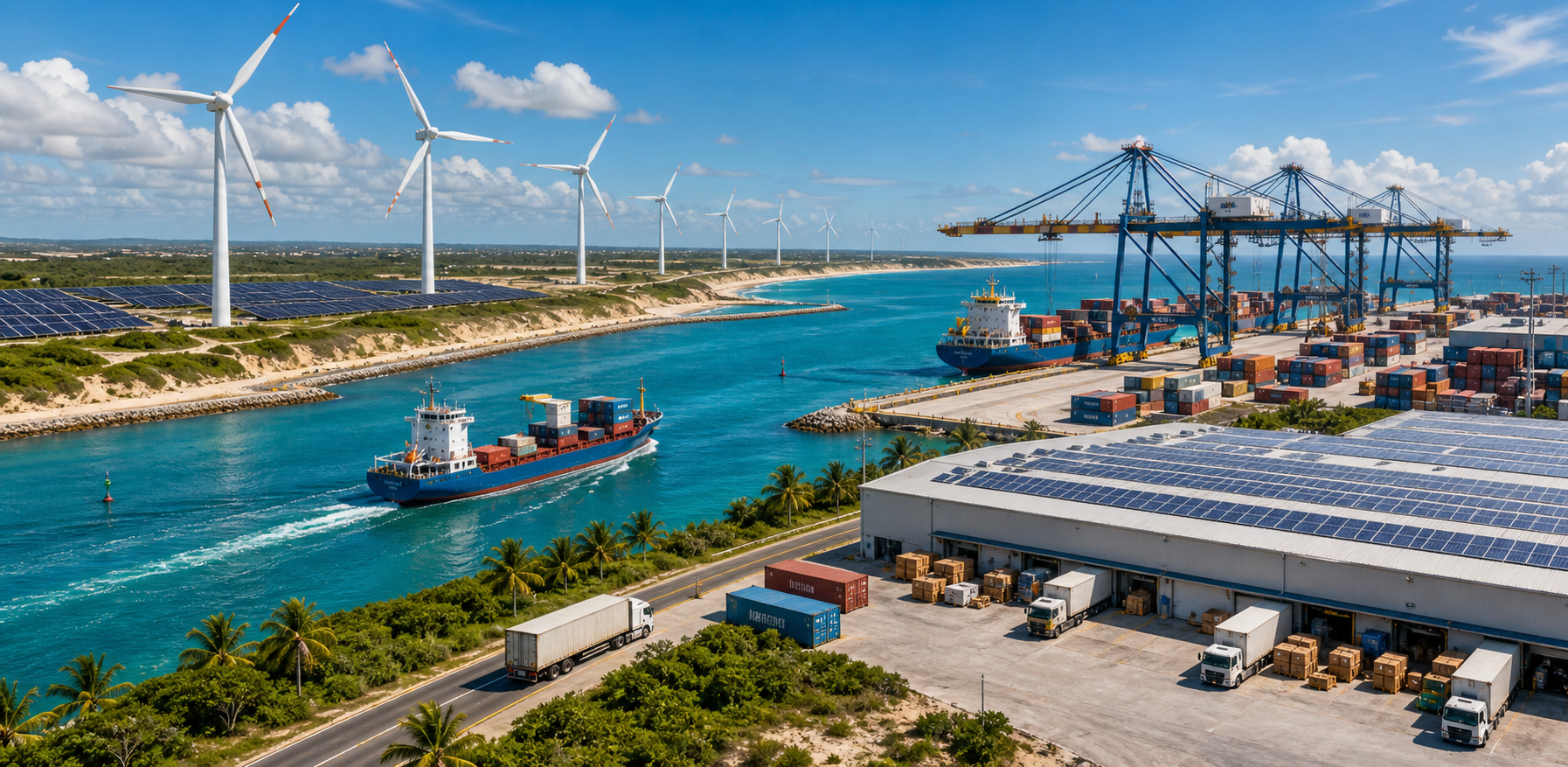
To alleviate Santos Port pressure, the Brazilian government is vigorously advancing "Northern Arc" (Arco Norte) logistics corridor construction. This corridor uses water-land combined transport to ship corn from production regions via the Madeira River-Amazon River water system directly from northern ports (Itacoatiara Port, São Luís Port) to Asian markets.
Itacoatiara Port's annual export capacity is projected to exceed 30 million tons by 2027, becoming the second pole for Brazilian corn exports. For import-export companies, following the Northern Arc port infrastructure construction progress will help preemptively arrange logistics solutions.
3.3 Synergy Between Railways and Inland Waterway Shipping
Insufficient railway network coverage has long been a weakness in Brazilian agricultural logistics. In 2026, two important railway expansion projects are nearing completion—the North-South Railway (Ferrovária Norte-Sul) extension project and the first phase of the East-West Railway (EF-340). These are expected to reduce corn transport time from Mato Grosso State to Itacoatiara Port from the current 12 days to 8 days, with transport cost optimization space of 15%-20%.
Inland waterway shipping potential is equally enormous. Brazil possesses one of the world's largest inland waterway shipping systems, but utilization remains below 30%. With the advancement of lock upgrades and waterway dredging projects, water-rail combined transport models will become the new normal for Brazilian corn logistics.
4. Reshaping Global Grain Trade Patterns
4.1 Responses from Traditional Exporting Nations
Traditional corn exporting nations such as the United States and Ukraine are facing challenges from Brazil's rise. US corn exporters are intensifying penetration into Southeast Asian markets while seeking new growth points through ethanol exports; Ukraine needs to seek diversification of land export channels amid uncertainties in Black Sea shipping.
4.2 Formation of New Trade Routes
The Panama Canal's dry-season navigation restrictions once promoted exploration of "Brazil-Cape of Good Hope-China" routes.如今, with the advancement of Panama-China shipping agreement renewal and the canal authority's increased priority transit arrangements for grain transport vessels, Brazilian corn logistics route options to Asia are more flexible.
5. Trend Outlook: Digitalization and Intensification of Brazil Corn Logistics
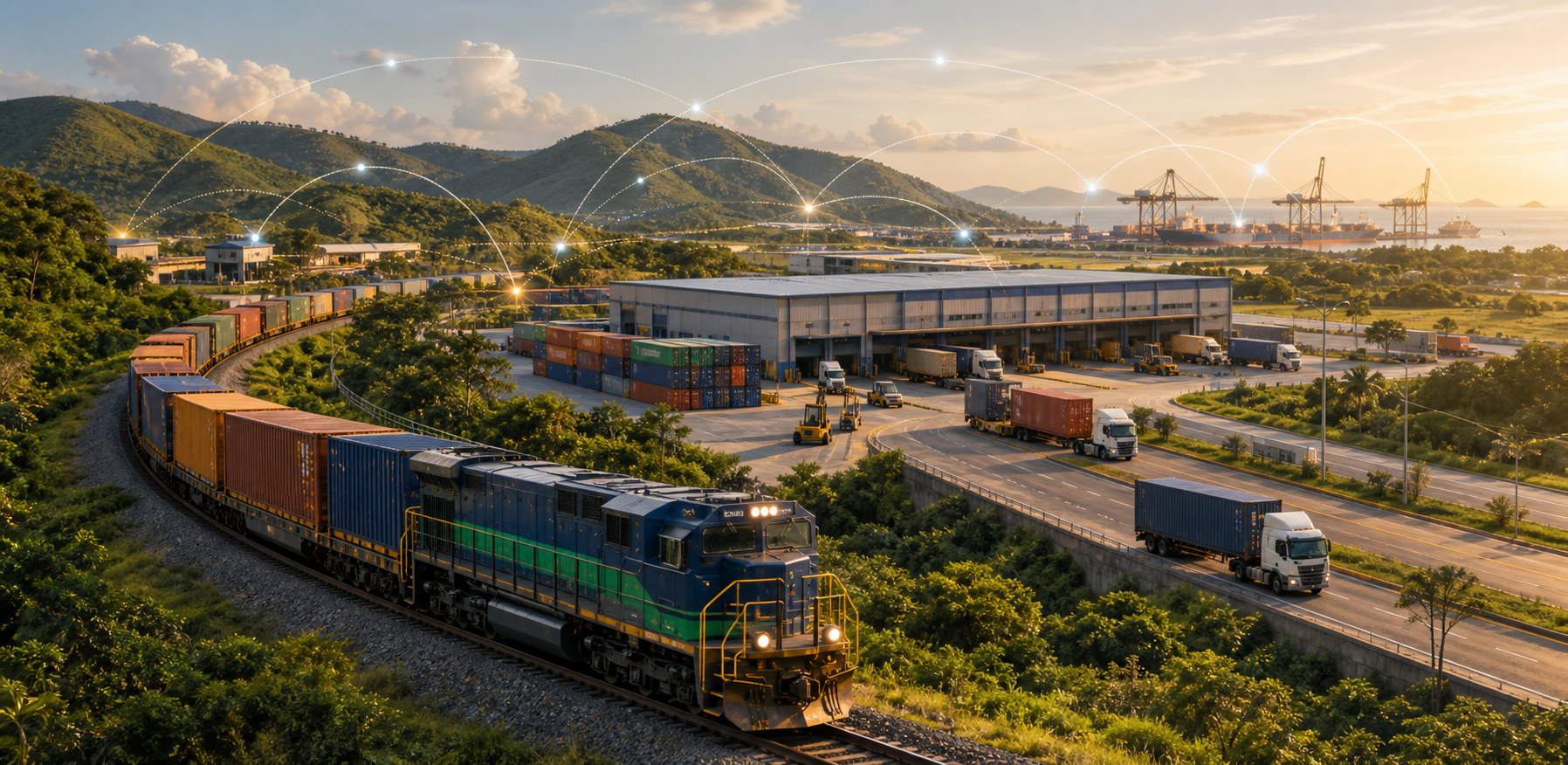
Over the next five years, Brazilian corn export logistics will exhibit two major trends: the popularization of multimodal transport and deep application of digital tracking.
Leading international logistics enterprises have begun deploying satellite tracking systems and AI route optimization algorithms. Through real-time monitoring of vessel positions, weather, and port conditions, dynamic transport plan adjustments reduce demurrage costs caused by delays.
For logistics managers, embracing digital tools and building resilient supply chain networks will be key to succeeding in the Brazilian corn trade wave. The value of freight forwarding will increasingly shift from "capacity provision" to "solution design."
---
Keywords: Brazil (8), international logistics (5), trading companies (3), freight forwarding (4), freight rates (2), transport cost optimization (3), logistics managers (3), import-export companies (2), cross-border e-commerce (1), shipping and air freight (1), multimodal transport (2)
Word count: ~2,100 words




China——Brazil Trajectory Tracking



+86 532-85066033/34






 中文简体
中文简体 ENGLISH
