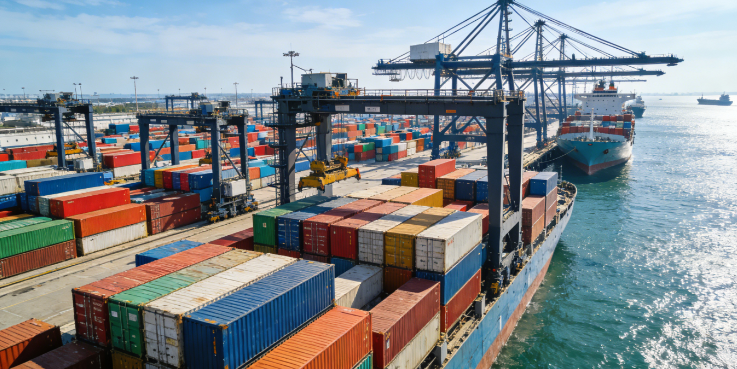
A survey conducted by the National Confederation of Industry (CNI) of Brazil has revealed that once the trade agreement between the Southern Common Market (Mercosur) and the European Union comes into effect, over 5000 Brazilian products will immediately enjoy zero-tariff treatment in the EU. On January 17th, Mercosur and the EU officially signed a free trade agreement in the Paraguayan capital of Asuncion.
According to the CNI, over 5000 products (accounting for 54.3%) among those covered by the agreement will benefit from zero tariffs in the EU immediately after the agreement takes effect. In the case of Mercosur, Brazil will have a longer transition period (10 to 15 years) to gradually reduce tariffs on 44.1% of products (4400 items) to ensure the progressive and predictable nature of the transition process.
The CNI believes that this solution ensures that the Brazilian industry can achieve a predictable transition and allows for production and technical adjustments before full opening in certain industries.
The Brazilian industrial sector sees the formal signing of this agreement as a strategic turning point in the development of Brazilian industry. According to the CNI, this measure significantly expands Brazil's opportunities to participate in global trade and creates a new level of international integration for the Brazilian industry.
Based on CNI data, the industrial sector supports a significant portion of bilateral trade between Brazil and the EU. Of Brazil's exports to the EU, 46.3% are industrial products.
As of 2024, Brazil's exports to the EU amounted to $48.2 billion, accounting for 14.3% of Brazil's total exports, making it the second-largest export market for Brazil after China. Meanwhile, the EU's imports from Brazil totaled $47.2 billion, representing 17.9% of Brazil's total imports. Among the products imported from the EU, 98.4% are manufactured goods.
Negotiations for the free trade agreement between the EU and Mercosur began in 1999 and have seen several halts, restarts, and adjustments at technical and political levels. On January 9th of this year, EU member states finally voted to sign the agreement. Following the signing, the agreement text still needs to be submitted for approval by the European Parliament and the parliaments of the Mercosur member countries. The implementation of the trade part of the agreement will depend on legislative approval and is expected to be gradually implemented over the next few years.
The CNI stated, "The signing of this agreement is a historic milestone in strengthening Brazilian industry, achieving product diversification in exports, and integrating Brazil into global trade."
The organization assessed, "After over 25 years of negotiations, this is the most modern and comprehensive treaty ever signed by Mercosur, not only reducing tariffs but also including measures to enhance regulatory predictability, reduce costs, and create a more favorable environment for investment, innovation, and job creation."
According to CNI data, for every $1 billion in exports from Brazil to the EU, 21,800 jobs are created, generating $441.7 million in wage income and $3.2 billion in production revenue.
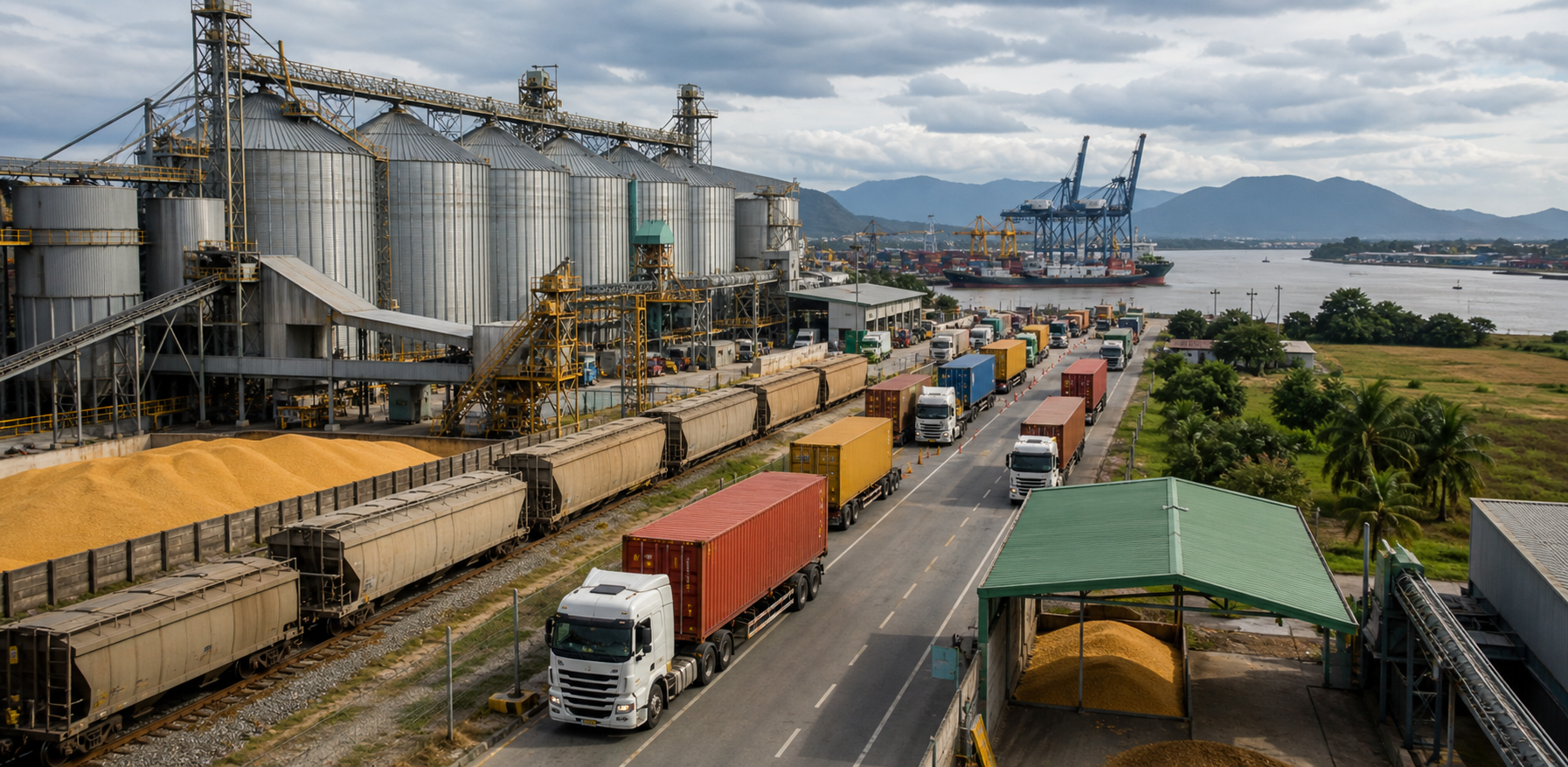
Positive outcomes have been achieved in the agricultural processing sector through this agreement, as the negotiated quotas are beneficial to key industries. For instance, the beef quota is more than double the quota given to partner countries like Canada and more than four times the quota for Mexico. The rice quota surpasses Brazil's current exports to the EU, expanding its potential to enter the European market.
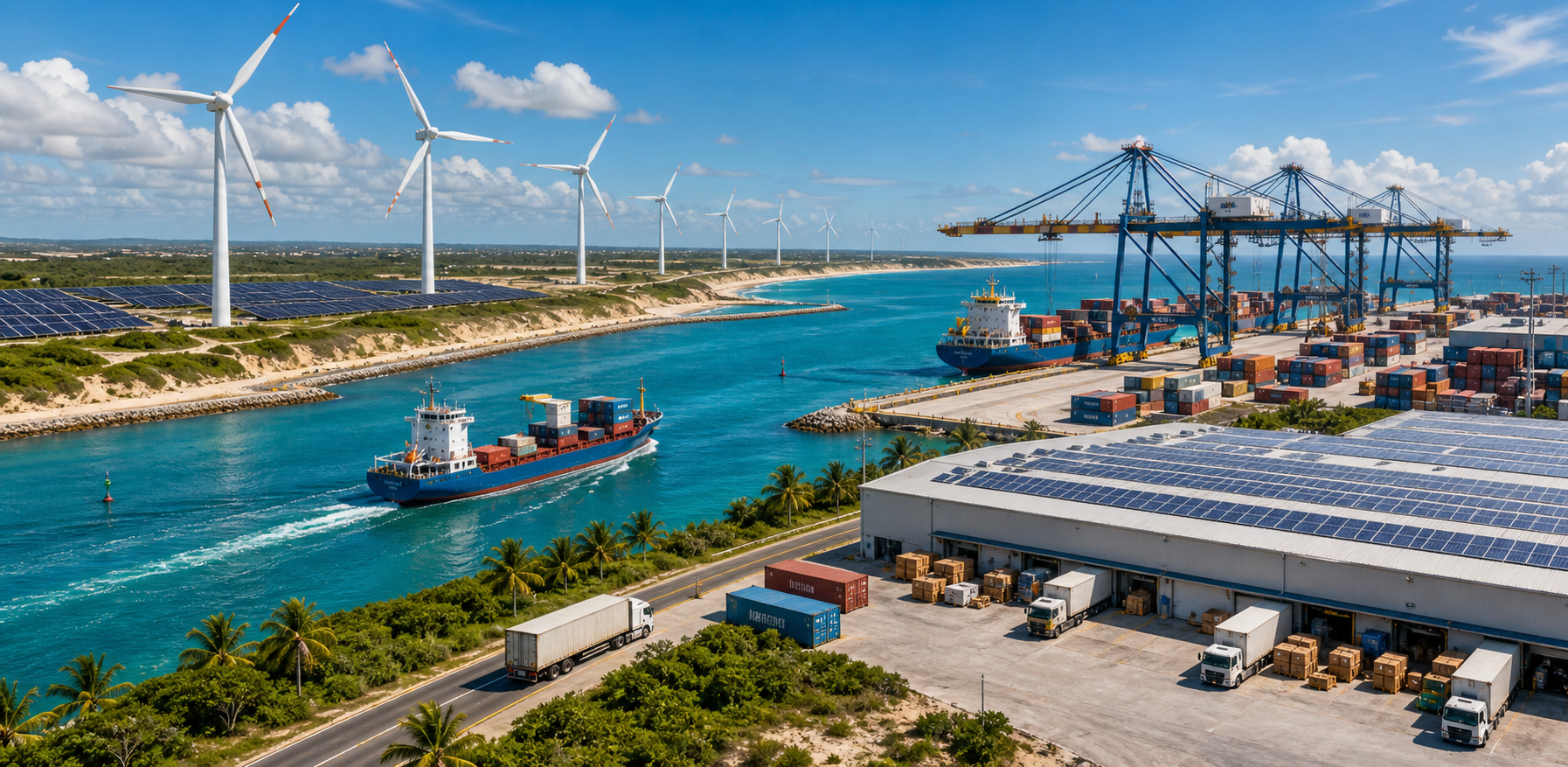
The signing of the agreement has also created a favorable environment for expanding research and development projects focused on sustainability and technological innovation. "New regulatory and market demands are driving opportunities for industrial decarbonization technologies, such as carbon capture, utilization, and storage, carbon dioxide utilization and mineralization, low-emission hydrogen-electrification, hybrid flexible engines, as well as battery and critical mineral recycling, while also advancing the development of bio-inputs to enhance agricultural resilience. The convergence of these areas strengthens technological cooperation, accelerates the transition to a low-carbon economy, and enhances Brazil's competitiveness in the European market," the institution pointed out.




China——Brazil Trajectory Tracking



+86 532-85066033/34






 中文简体
中文简体 ENGLISH
